
CHARACTER DESIGN: SIMPLE RULES FOR ANY STYLE - PART 1
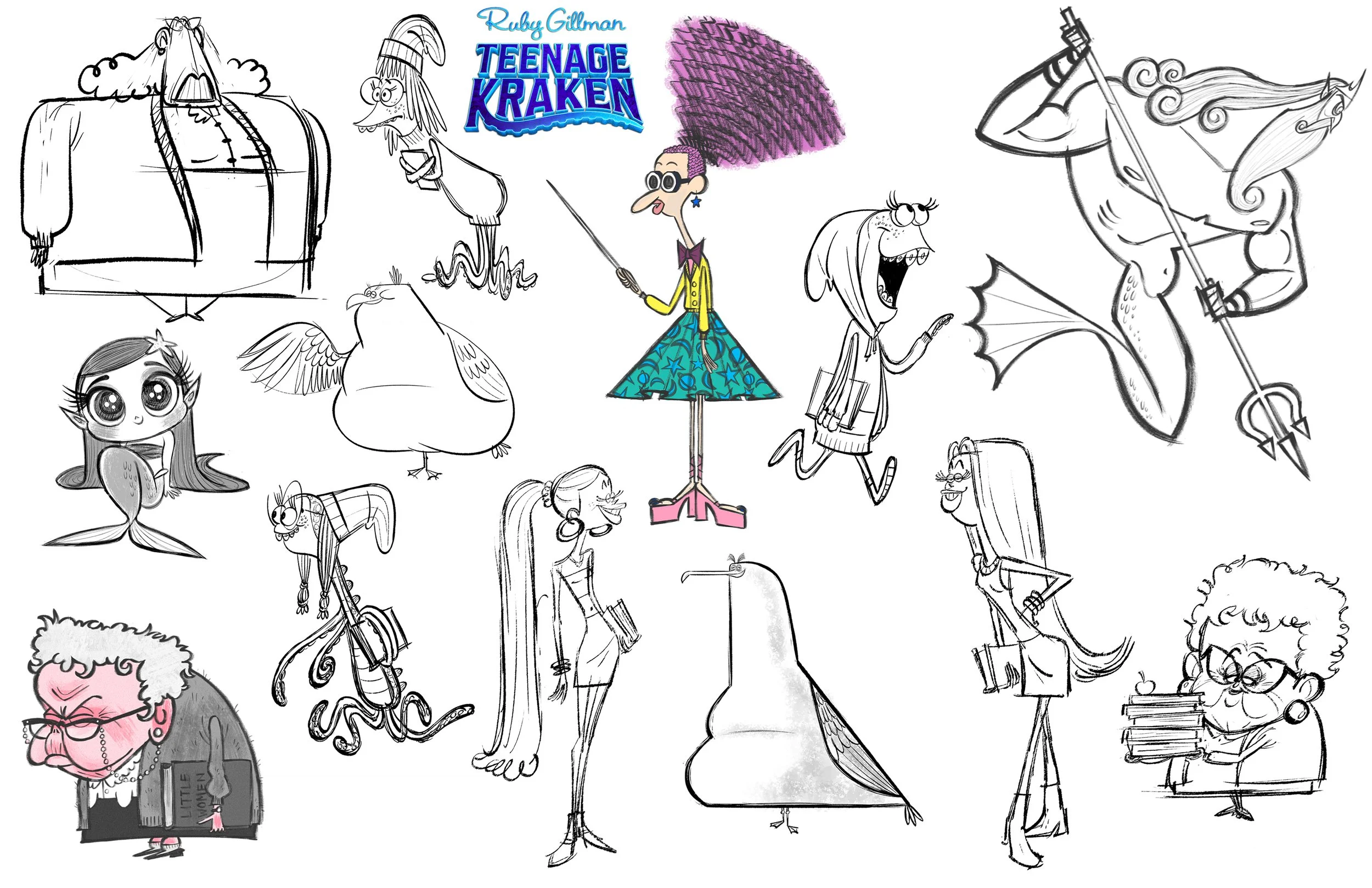
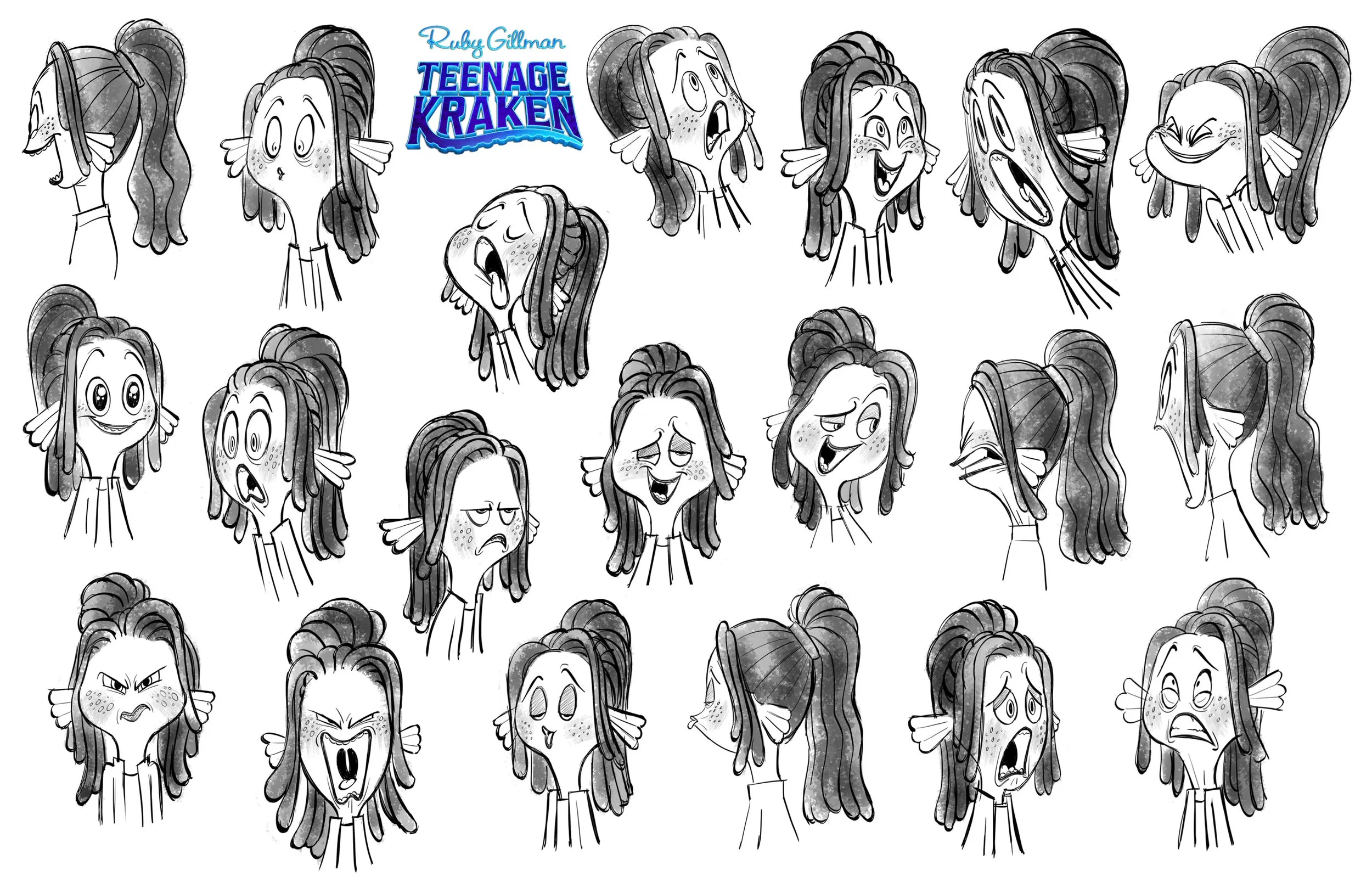
If you’ve studied character design fundamentals before, Character Design: Simple Rules for Any Style - Part 1 focuses on how to actually apply them. Instead of looking at individual aspects of character design, the lecture breaks down complete character designs and analyzes how the different pieces work together.
You’ll see what makes a design appealing and learn what works, what doesn’t, and why. You’ll also see how small adjustments can dramatically improve a character.
Worksheets are included so you can follow along and apply the same ideas to your own designs.
-
LESSON 1
-
LESSON 2
-
LESSON 2-1: TORSO AND ARM SHAPES
• Break the torso into simple shapes
• Build the base shape of the arm
• Use design ideas to push the shapes
• Create clearer and more interesting forms -
LESSON 2-2: DESIGNING THE LEGS
• Study the basic leg anatomy
• Simplify the legs into strong shapes
• Focus on design instead of strict anatomy
• Create appealing leg designs -
LESSON 2-3: CONNECTING THE BODY
• Attach the arms and legs to the torso
• Turn a 3/4 torso into a front view
• Keep the structure clear with simple shapes
• Explore variations to create new characters
-
-
LESSON 3
-
LESSON 3-1: FEMALE BODY SHAPES
• Study the basic shapes of the female body
• Understand how proportions affect design
• Expand the shapes to create variation
• Explore new character ideas -
LESSON 3-2: DESIGNING HANDS
• Explore simple ways to design hands
• Use basic shapes and grouping
• Simplify complex forms
• Create hands that are clear and readable -
LESSON 3-3: THE MUPPET THEORY
• Change the proportions of shapes in a design
• Push shapes larger or smaller
• Explore unexpected variations
• Generate new character ideas -
LESSON 3-4: COMBINING BODY AND HEAD VARIATIONS
• Combine body variations with Muppet Theory heads
• Compare the results to the original design
• See how small changes create strong contrast
• Discover new character possibilities
-
-
LESSON 04
-
LESSON 4-1: 3/4 SHAPES AND DESIGNING FEET
• Break a 3/4 character into simple shapes
• Keep the design clear and structured
• Explore simple approaches to designing feet
• Learn quick shorthand shapes for feet -
LESSON 4-2: APPLYING DESIGN THEORY TO THE 3/4 VIEW
• Apply design principles to the 3/4 character
• Use straights, curves, and tapers
• Explore tilts, angles, and rhythm
• Create designs that feel balanced and appealing -
LESSON 4-3: TURNING THE 3/4 INTO PROFILE
• Turn the 3/4 design into a profile view
• Keep the same shapes and structure
• Maintain consistent design principles
• Preserve clarity and appeal -
LESSON 4-4: CONSTRUCTING THE 3/4 HEAD
• Break the 3/4 head into three sections
• Understand the construction of the head
• Use the sections to create variations
• Generate new character ideas -
LESSON 4-5: FACIAL STRUCTURE AND SHAPE RELATIONSHIPS
• Study the structure of facial shapes
• Understand how features relate to each other
• Use the soft cube theory for volume
• Push shapes to create new facial variations
-

LECTURE FORMAT
Pre-Recorded learn at your own pace instruction
3 Hours of Video Instruction (1080p)
Practice Sheets (Printable or Digital) to complete after each lesson
Compatible with PC, Tablet, and Mobile Devices
Language: English

DAVID PEREZ
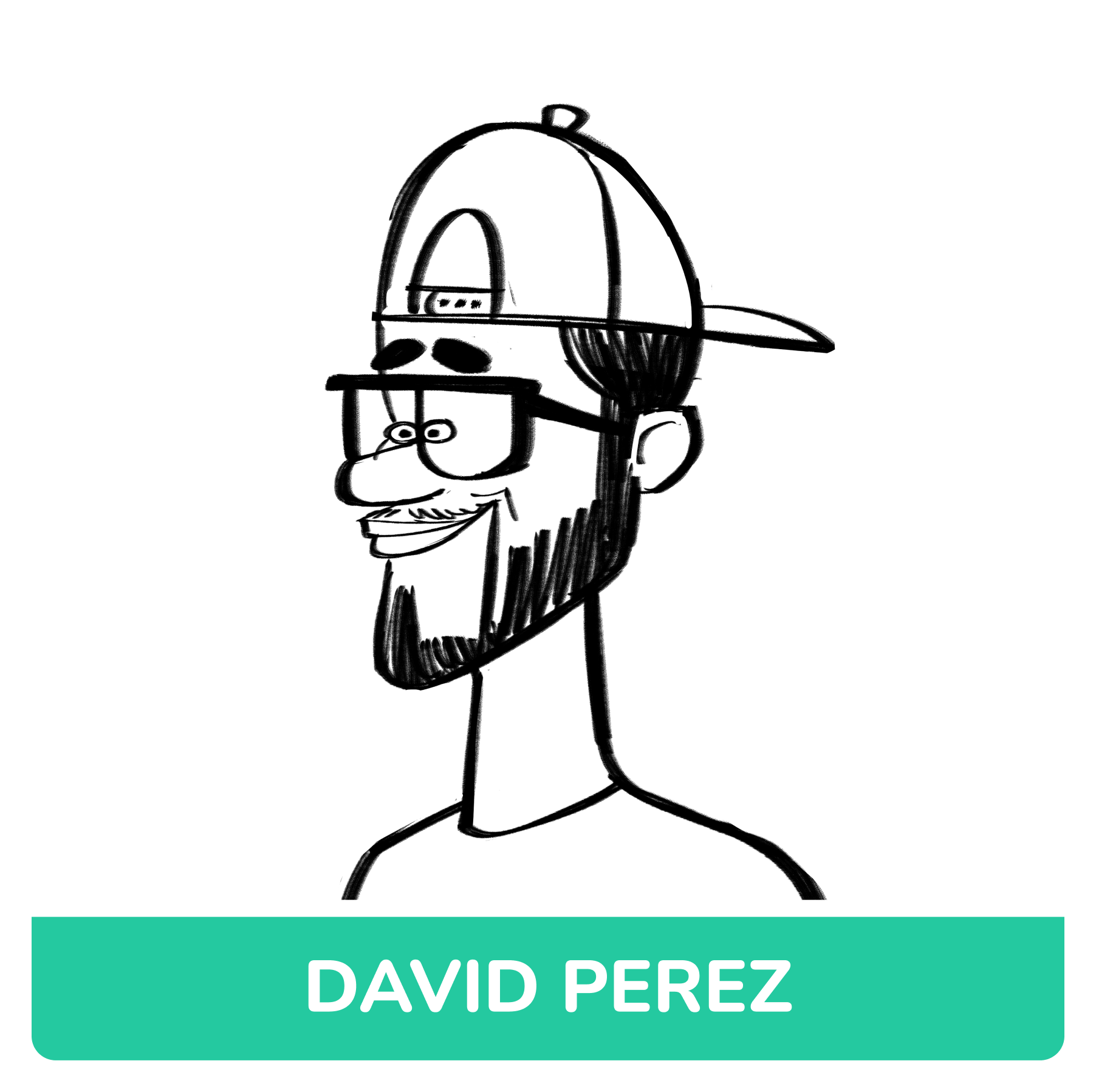



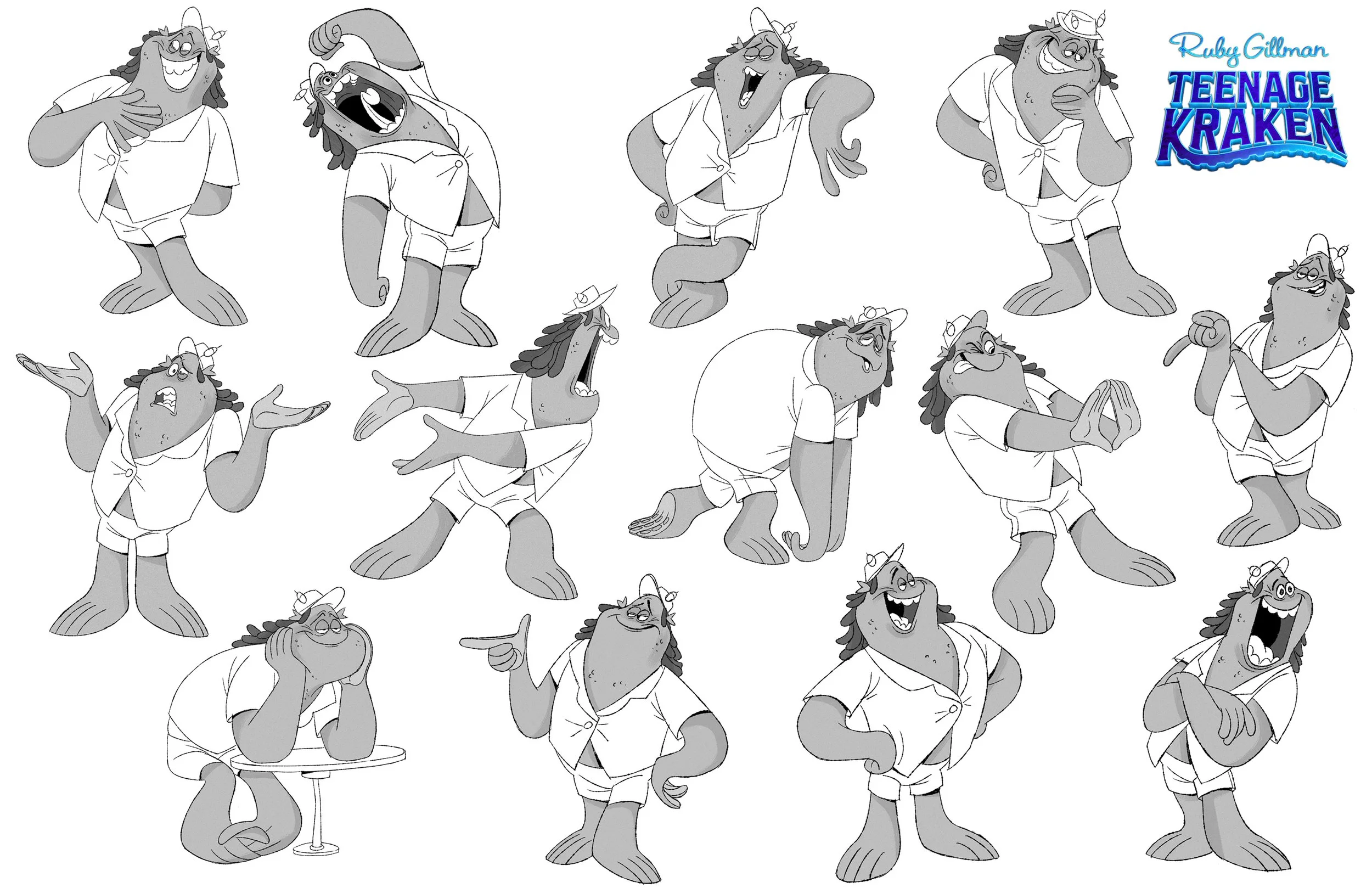
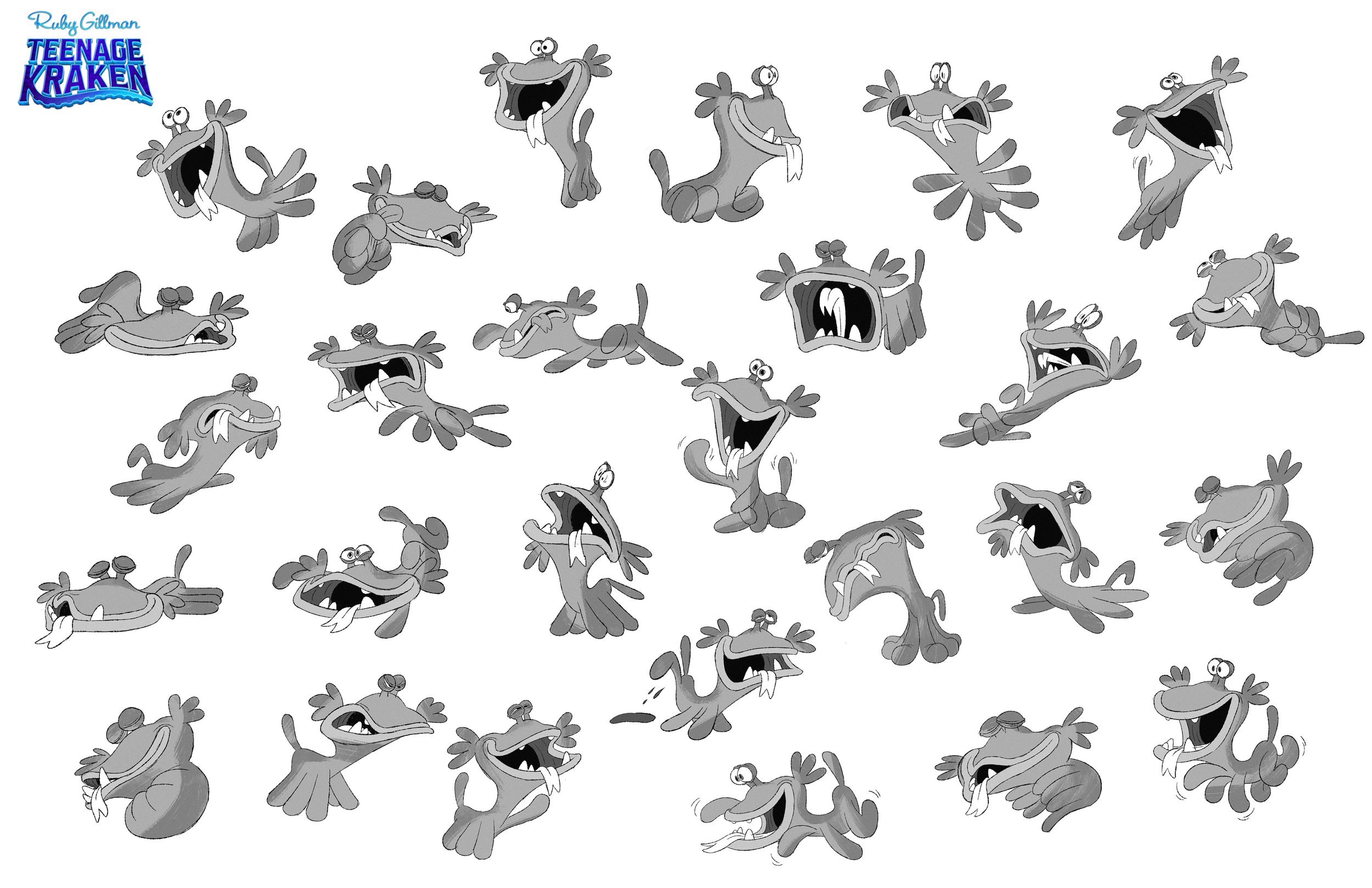
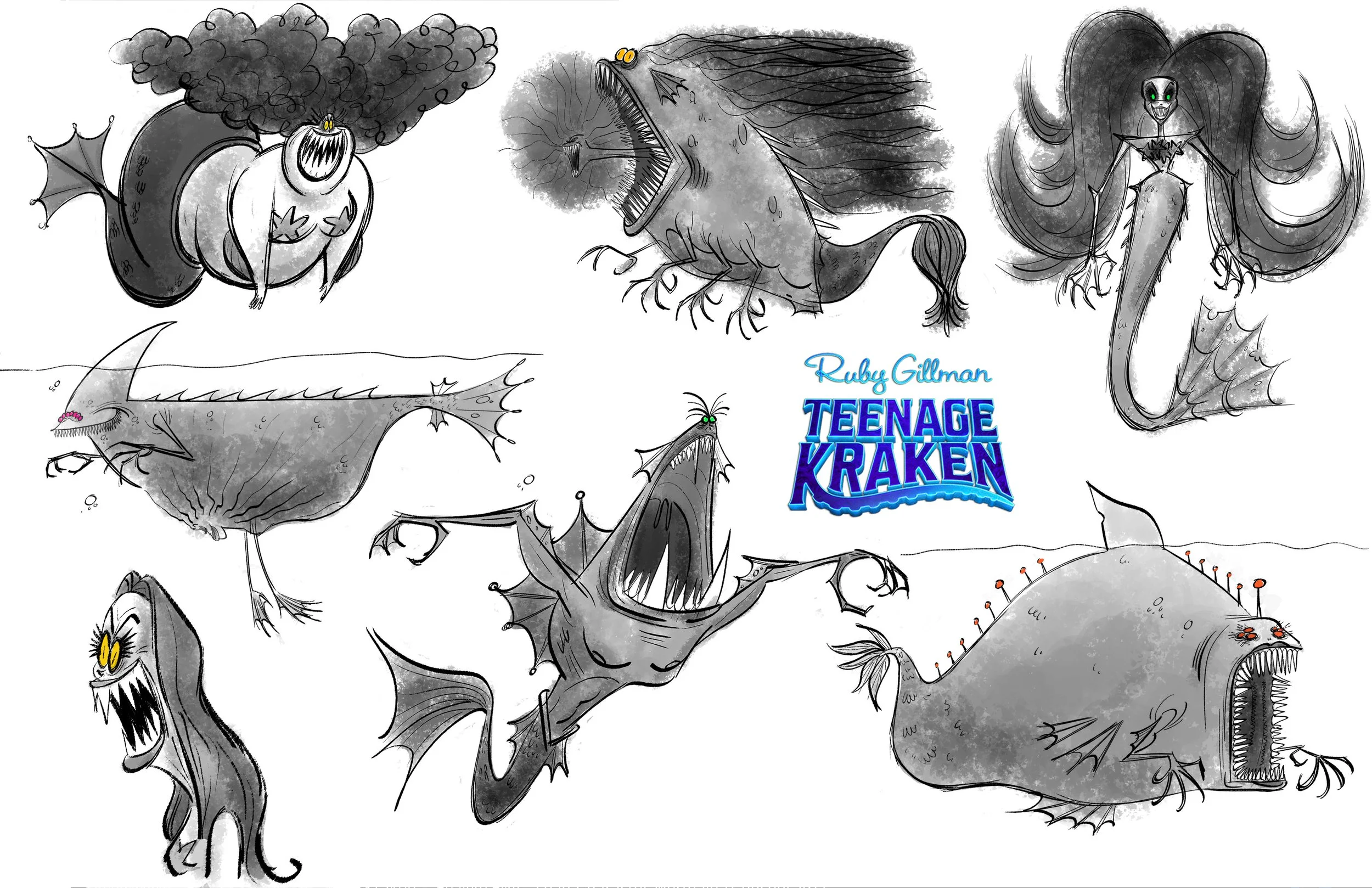
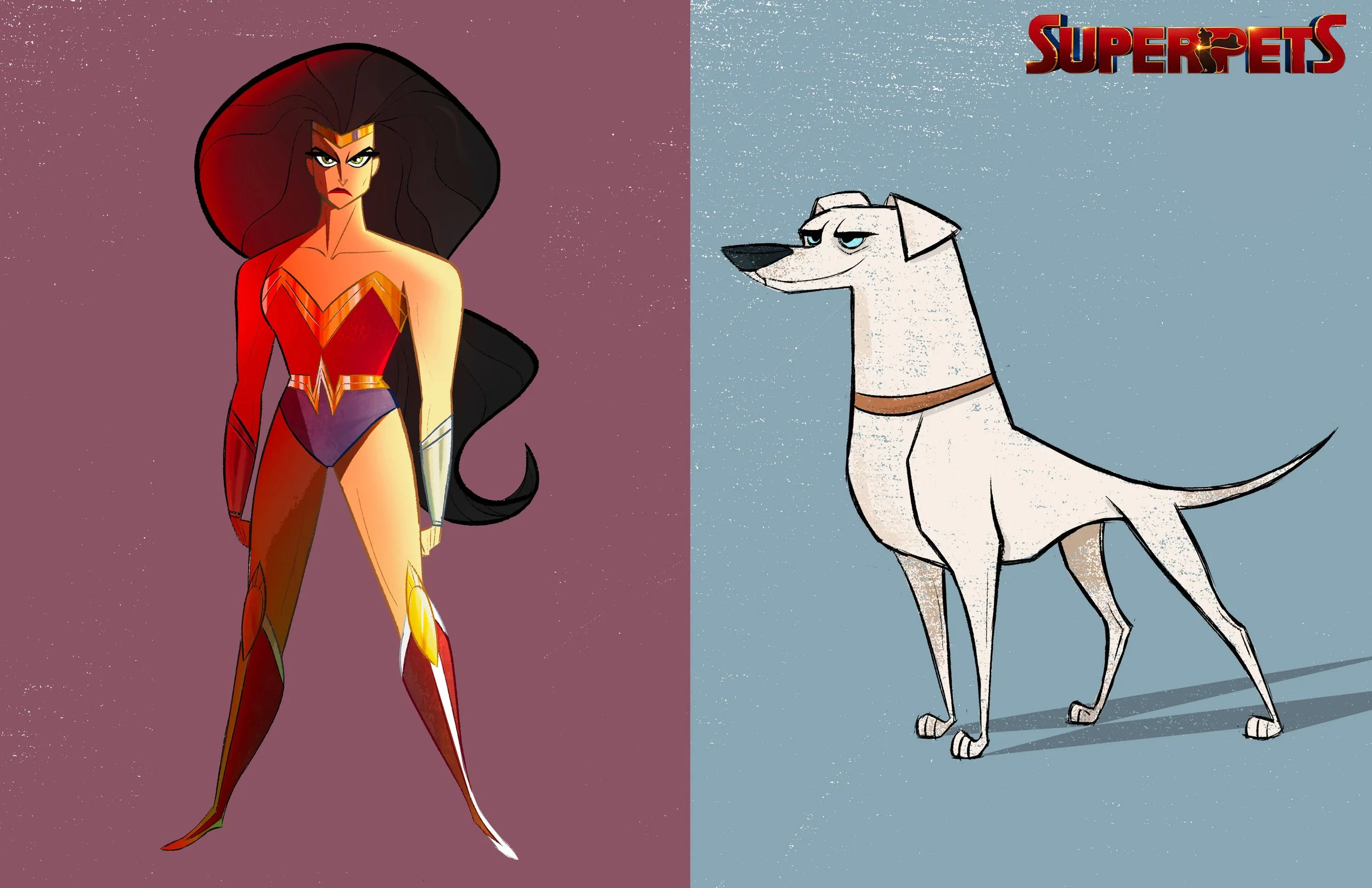
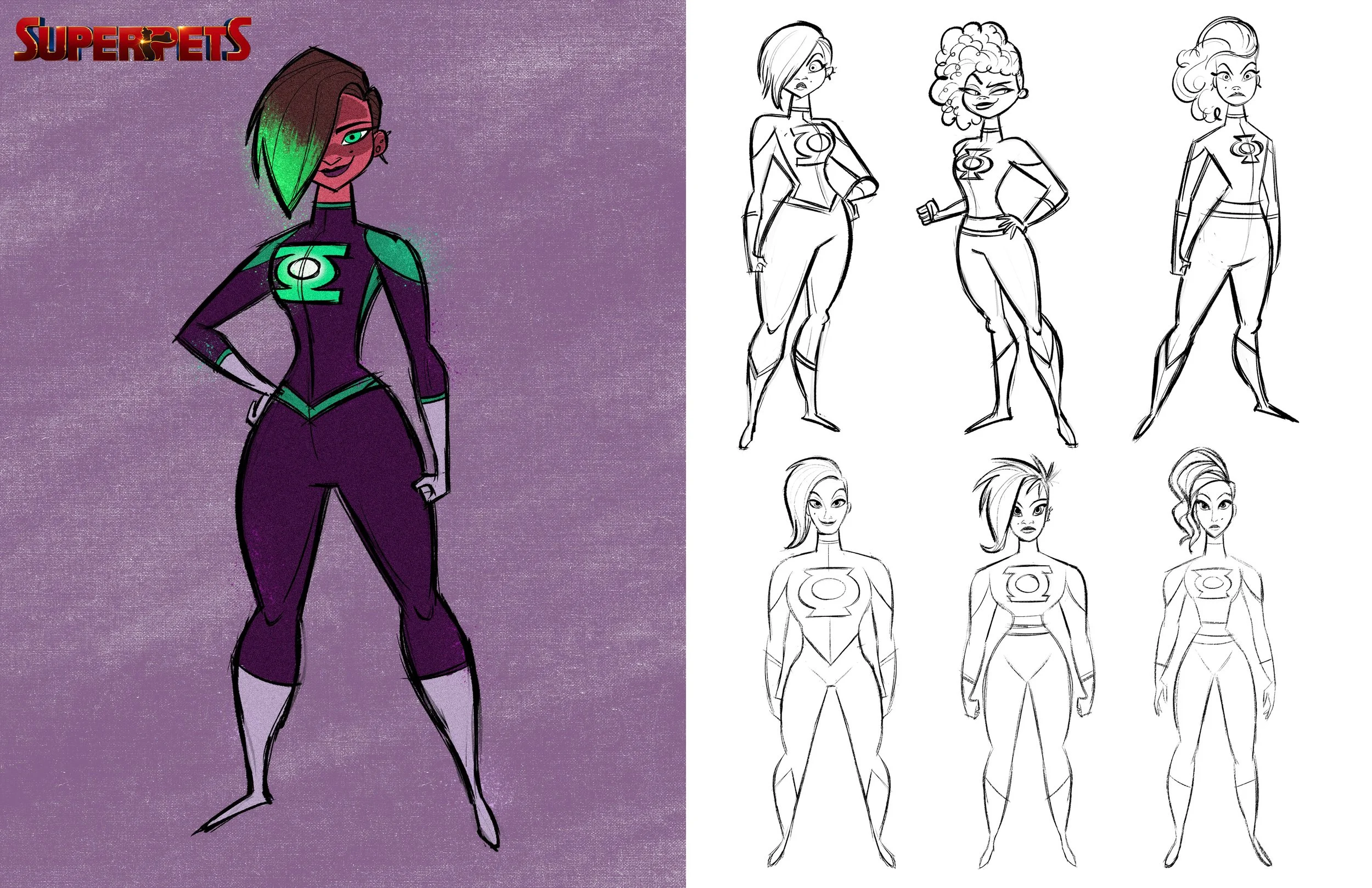
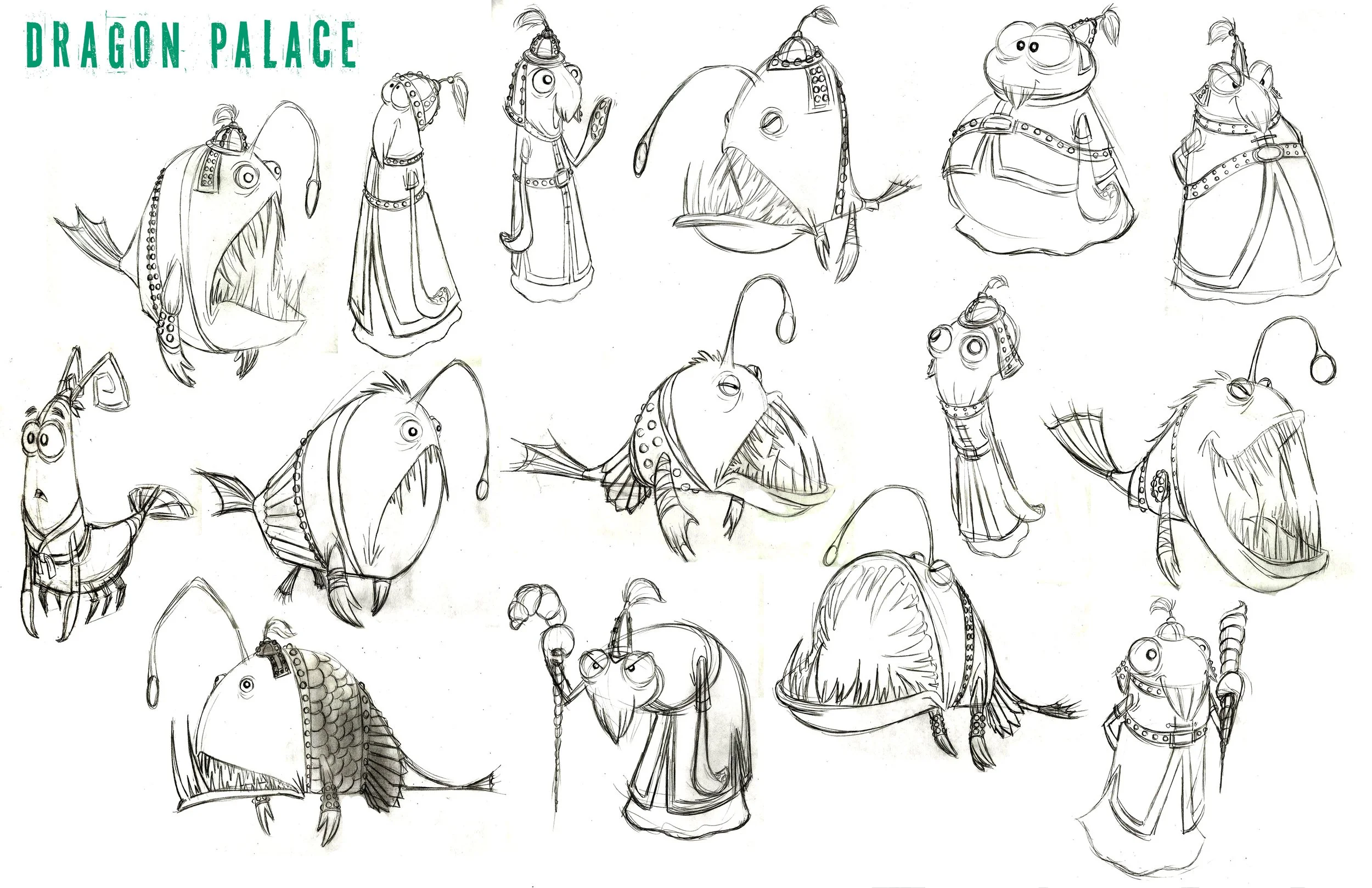
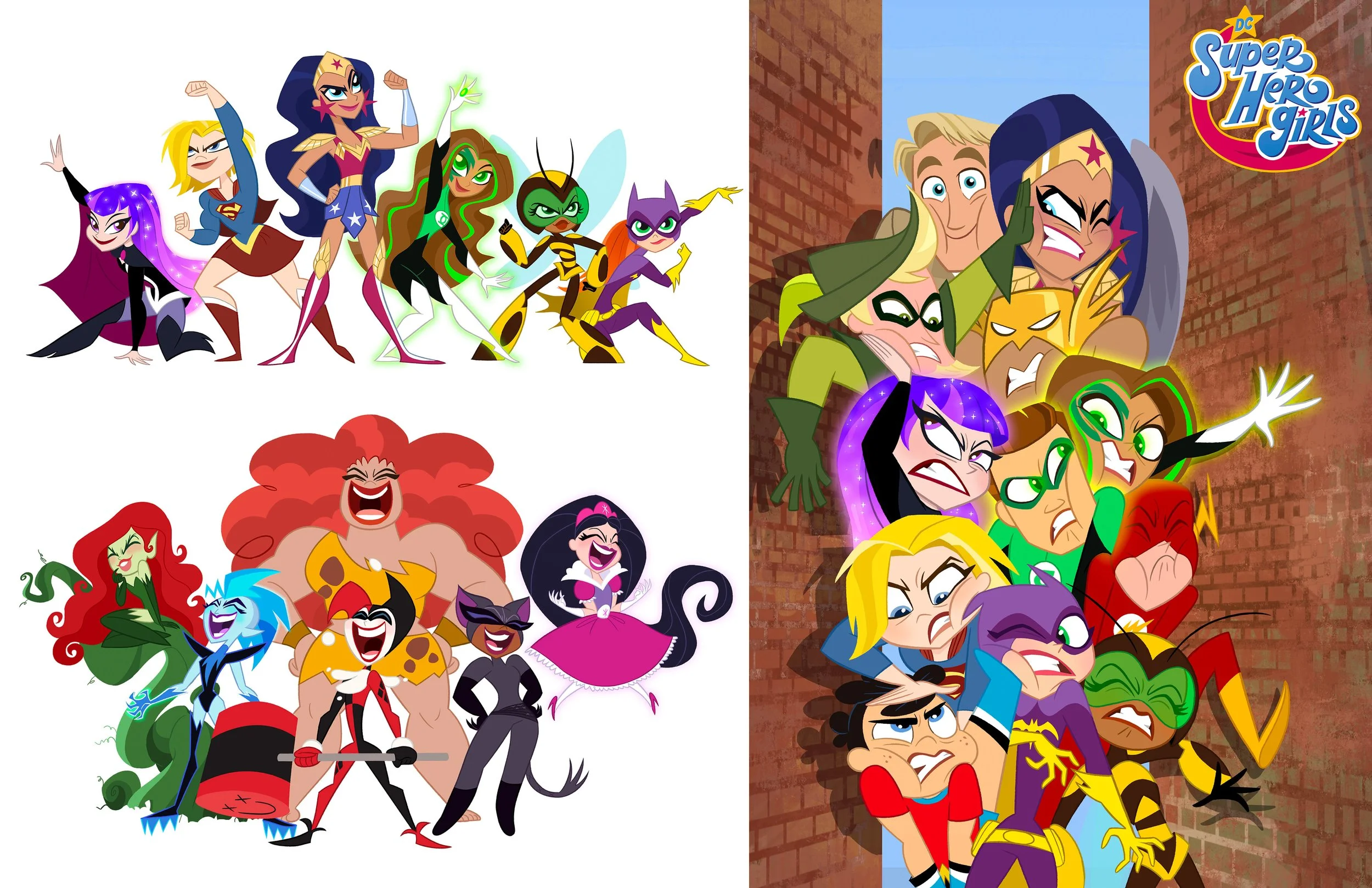
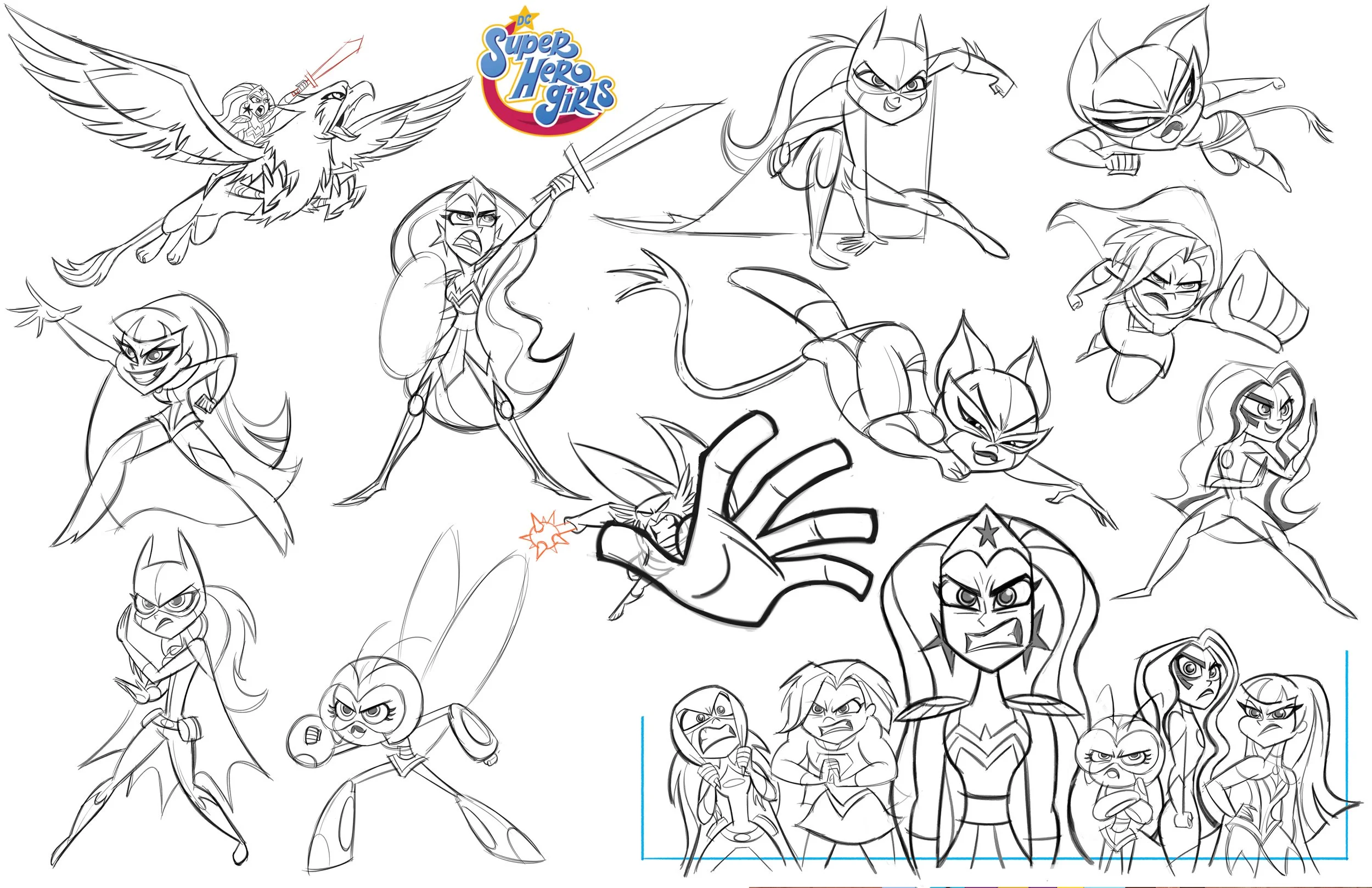
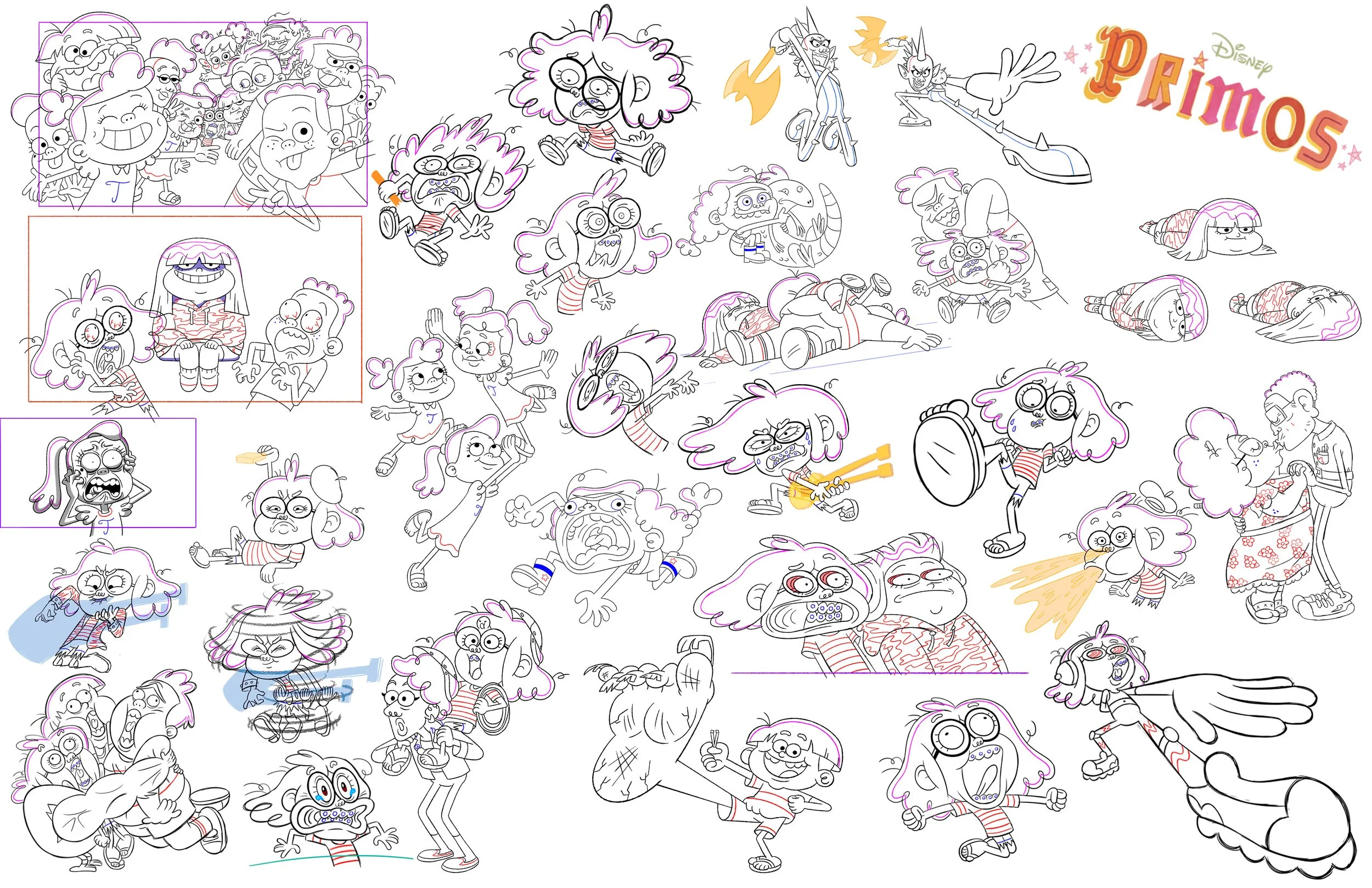
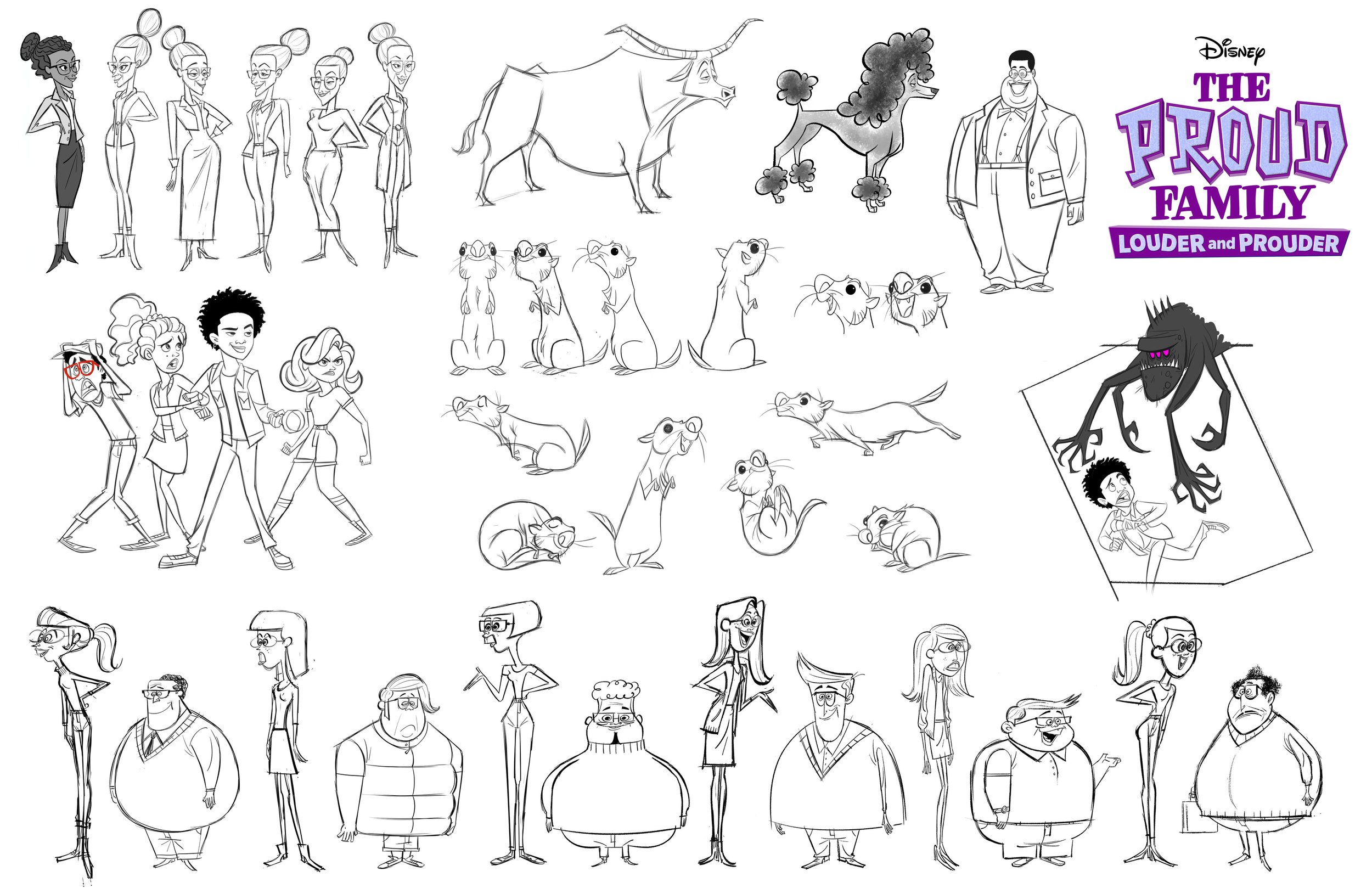
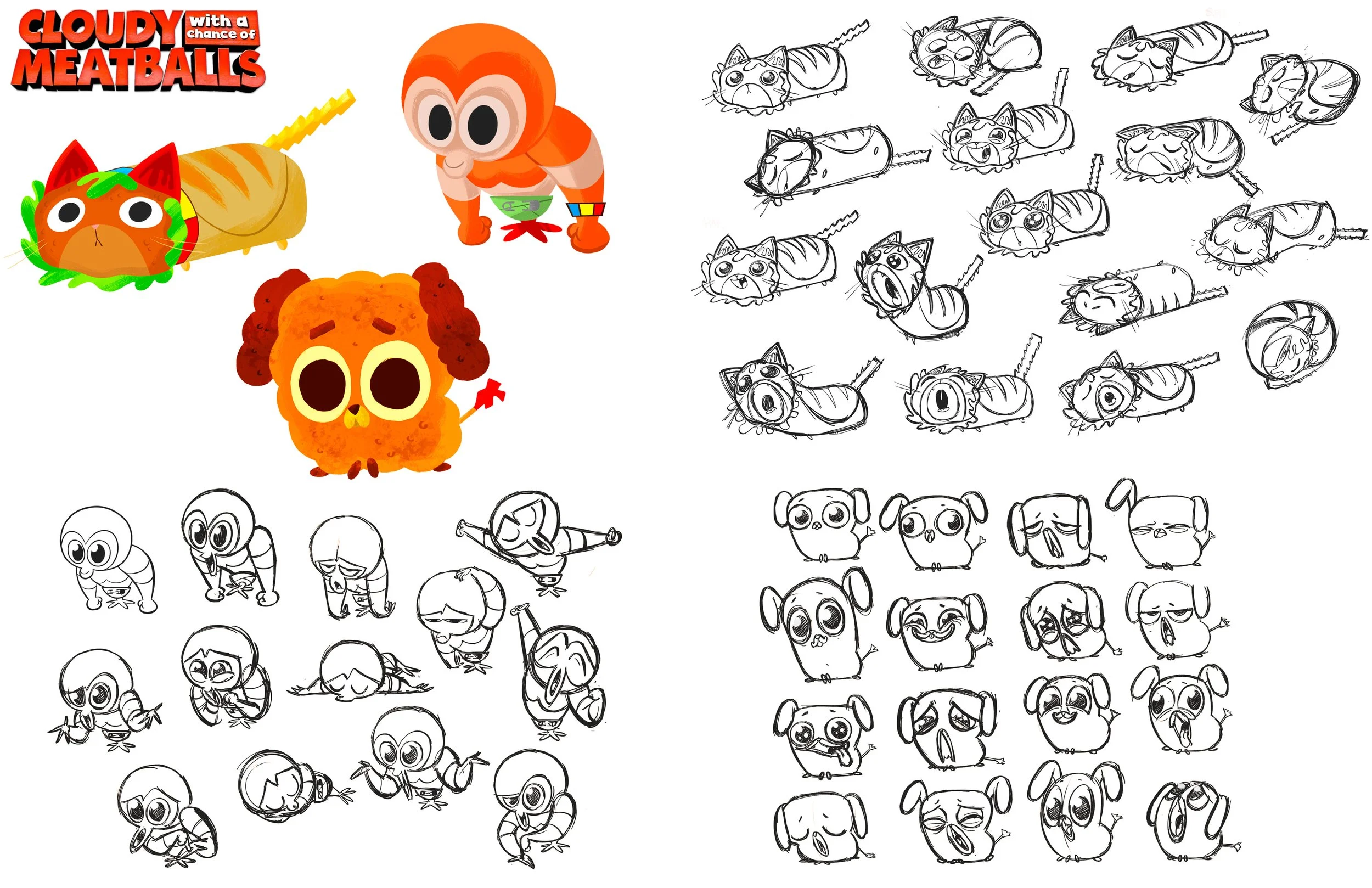
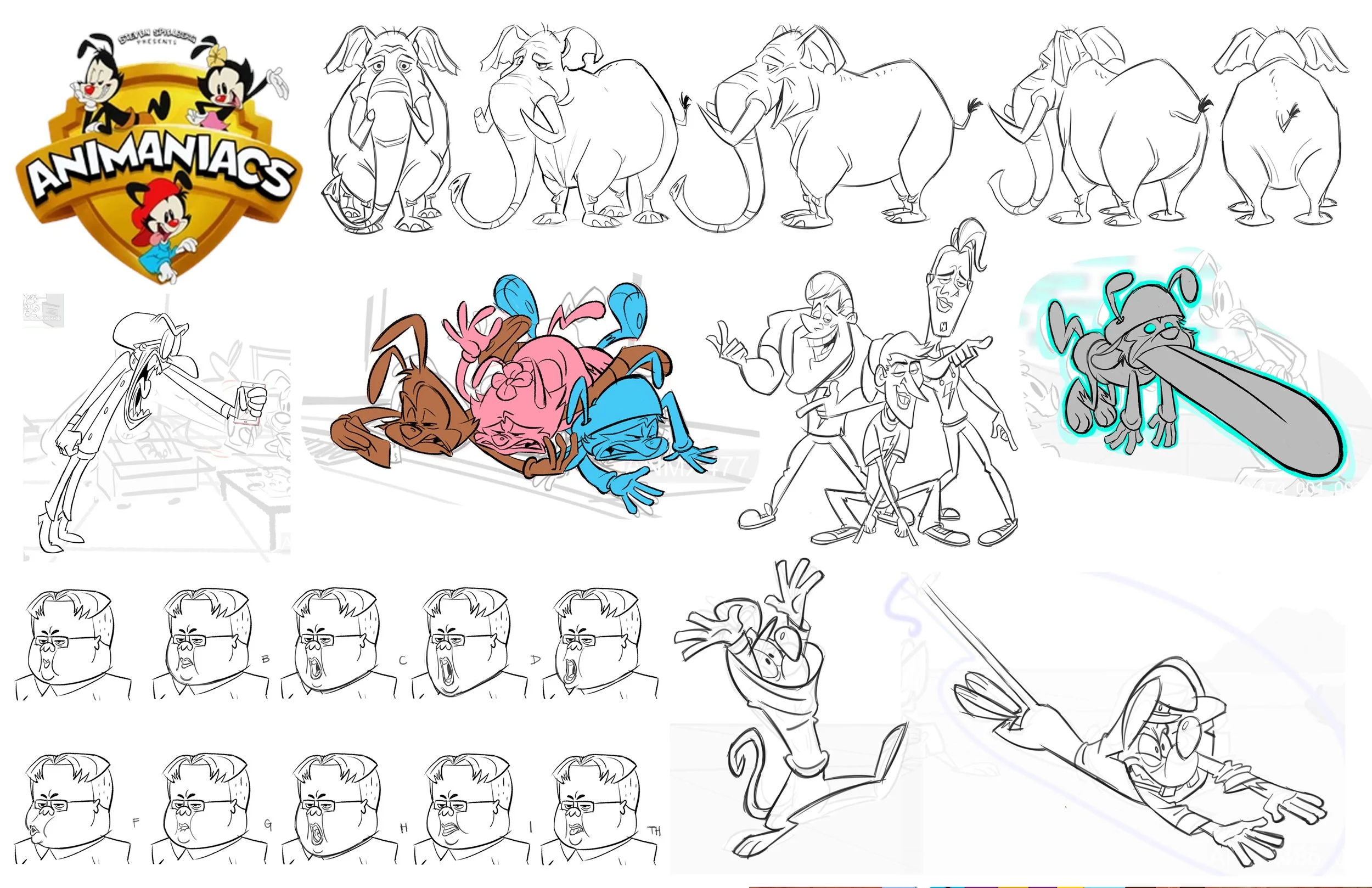
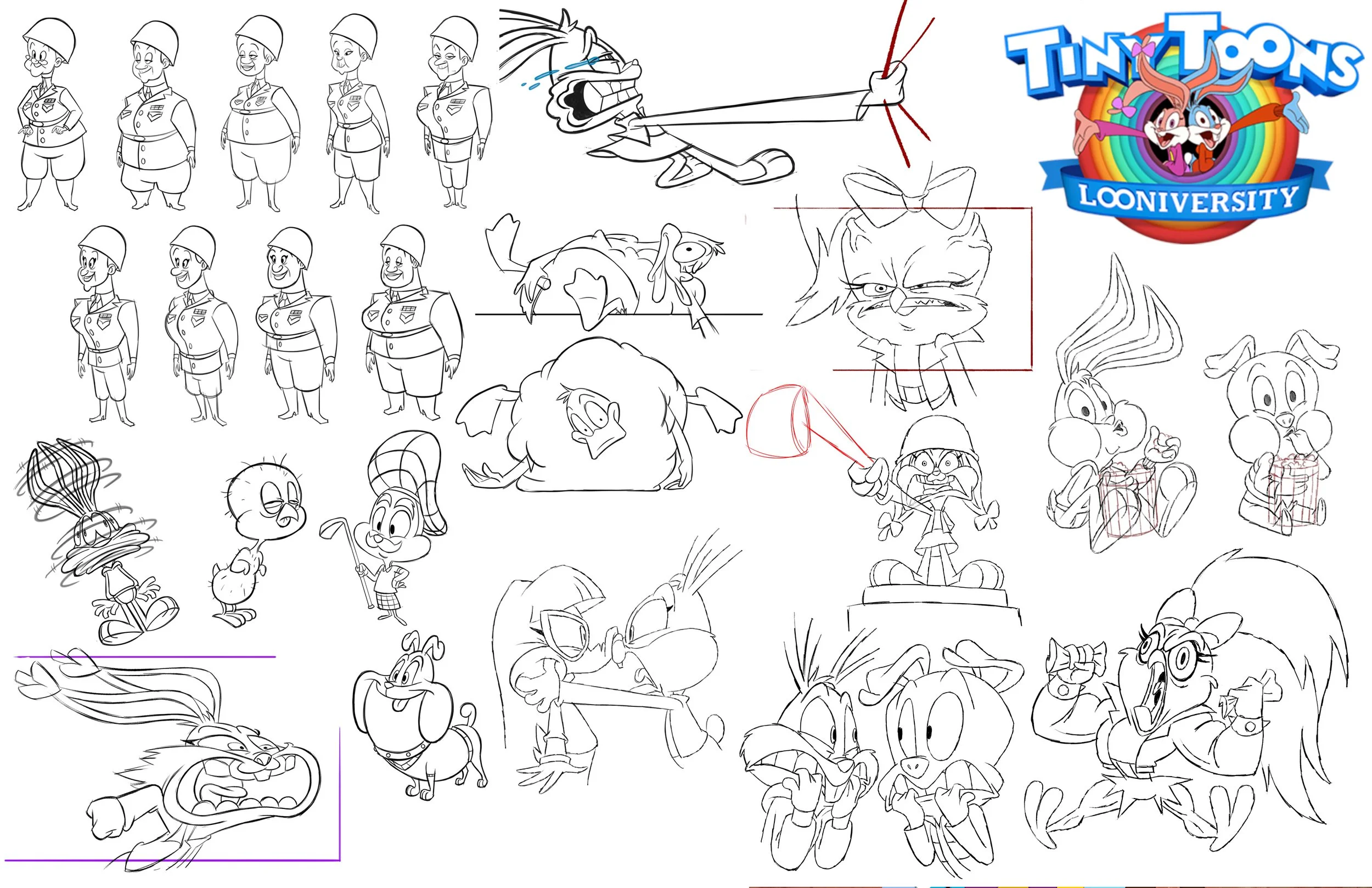
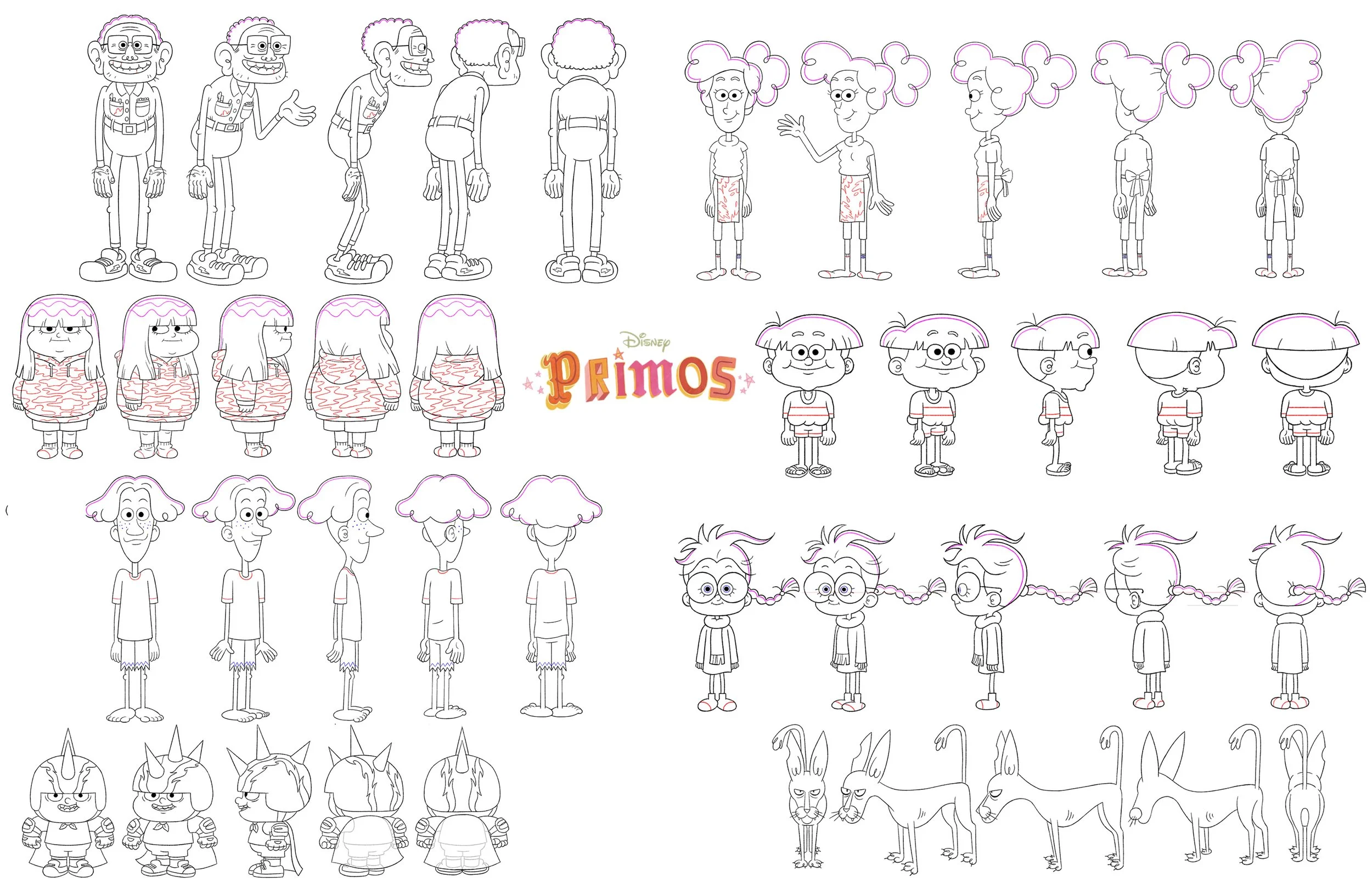
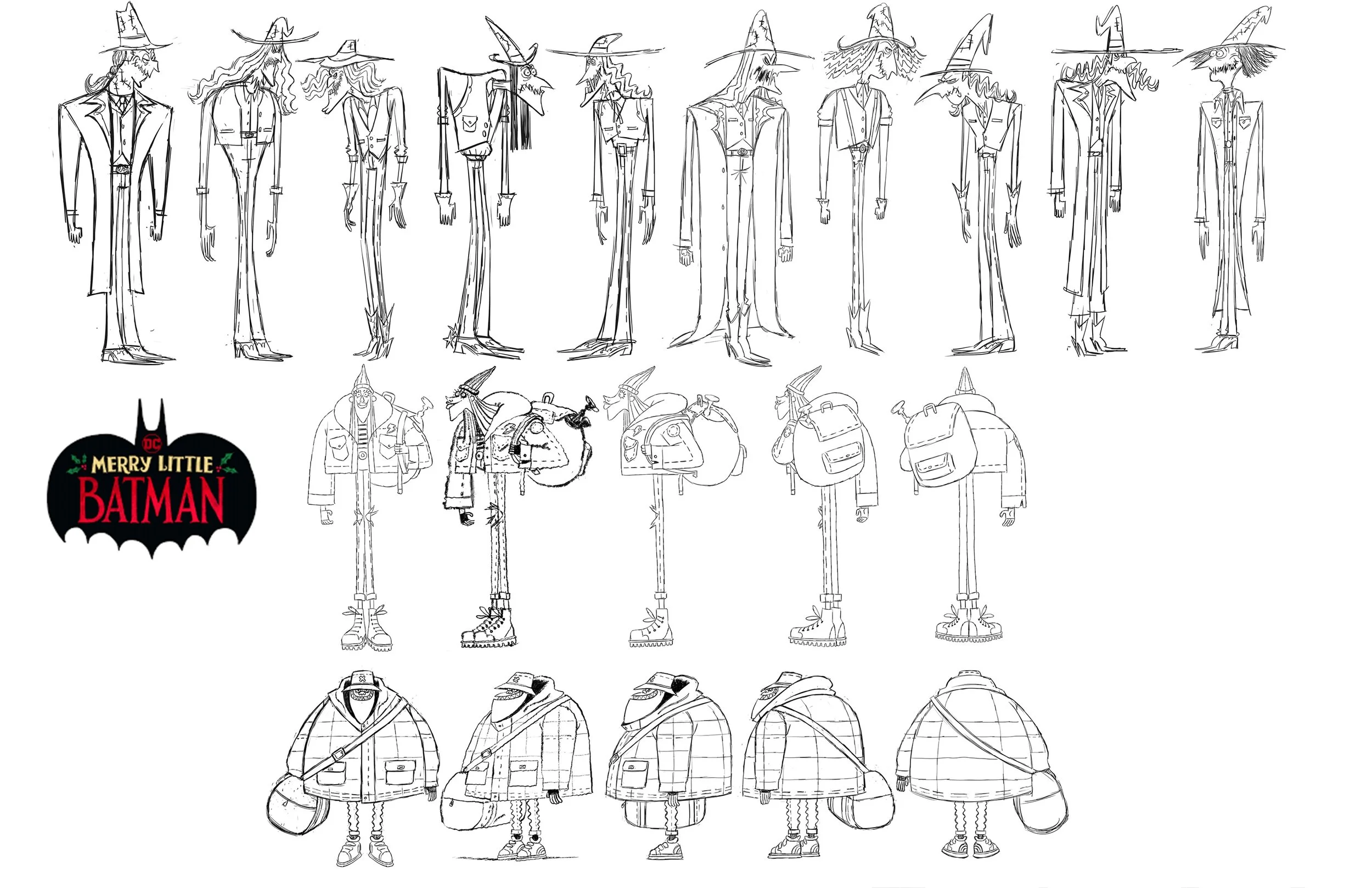
David Perez is a husband, father, and artist with over a decade of experience in the animation industry. He has had the privilege of working at some of the most renowned studios, including Disney, DreamWorks, Warner Bros, Nickelodeon, Sony, and Netflix.
Teaching and giving back has been one of the most rewarding aspects of his career. David occasionally offers online workshops, and he also shares free insights on his YouTube channel (@dzine555) to help aspiring artists on their creative journey.
Character design isn’t about being “advanced.” It’s about mastering the basics at a deeper level. Over the years, He has learned that great design always comes back to simplicity and that’s the foundation of my teaching philosophy.
You’ll not only learn how things work but also why they work. More importantly, you’ll gain the tools to deconstruct and rebuild characters in your own unique way. His goal is to make learning accessible, easy to understand at any age, and use his courses as a resource you can return to no matter where you are in your artistic journey.
David has a 100-page how-to book designed to teach anyone the fundamentals of character design. Whether you’re just starting out or looking to refine your skills.
If you would like to see more of his work you can check out. www.davidperezdzine.com

Helpful Resources
-
The Art Club Discord is a supportive space for students to connect, share their work, and grow together as artists. Along with accessing course materials, you can post your lecture exercises and get helpful feedback from both instructors and fellow students.
It’s a great place to see how others approach the same assignments, pick up new ideas, and learn from different perspectives. Whether you’re asking questions, sharing progress, or joining in discussions, the Discord is there to support you throughout your character design journey.
DISCORD LINK -
For this course, you can use whatever drawing tools you feel most comfortable with, whether that’s traditional or digital. Pencils, pens, markers, and sketchbooks are great for exploring form, gesture, and expression. If you prefer working digitally, tools like drawing tablets and software such as Adobe Photoshop, Clip Studio Paint, or Procreate can give you the flexibility to work with layers and easily revise your drawings.
You don’t need every tool to succeed, just something that lets you draw and explore ideas. Feel free to experiment with both traditional and digital approaches to discover what works best for your style and workflow as you bring your characters to life.
David’s Books
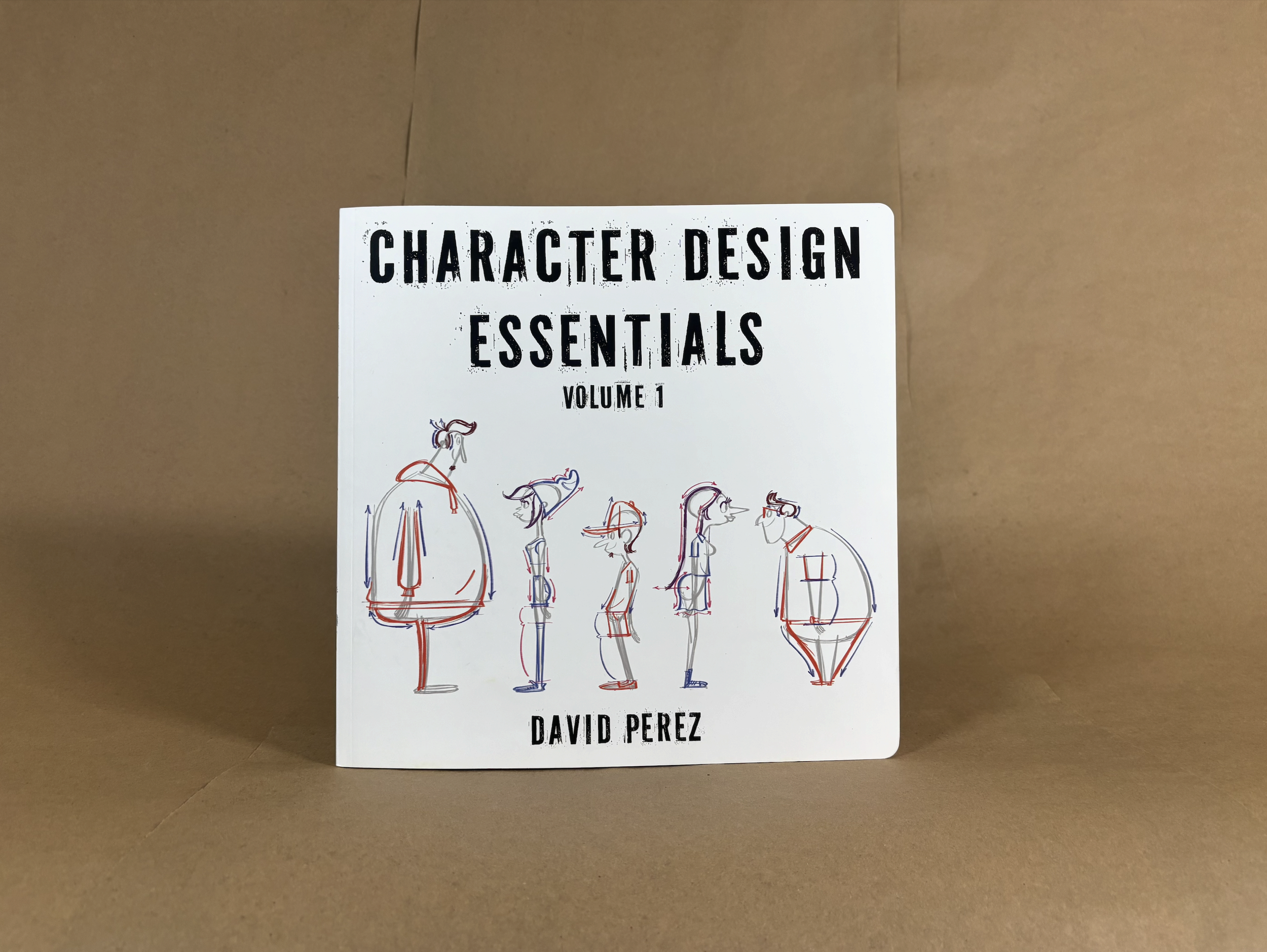
Every Book Includes an Original Hand-Drawn Sketch
Trusted by Industry Professionals
"I had the pleasure of mentoring David early in his beginning journey as a character designer. He's a creative talent that has a solid knack for crafting characters with personality and depth. I'm happy to endorse David as a skilled character designer who can bring creativity to any project.
Joe Moshier (The Emperors New Groove, Boss Baby, Vivo)
"David taught me everything i know. I know very little, but i owe it all to him. You need this book!!" Peace and Love!
Craig Kellman (Hotel Transylvania, Madagascar, Samurai Jack)
"David has that design insight that will get you to the next level in your work. "
Tony Siruno (Spider-man: Into the Spiderverse, Kung Fu Panda, How to train your dragon)
Learn the WHY and HOW behind great character design.
Beginner-friendly
More art. Less text.
Easy to understand
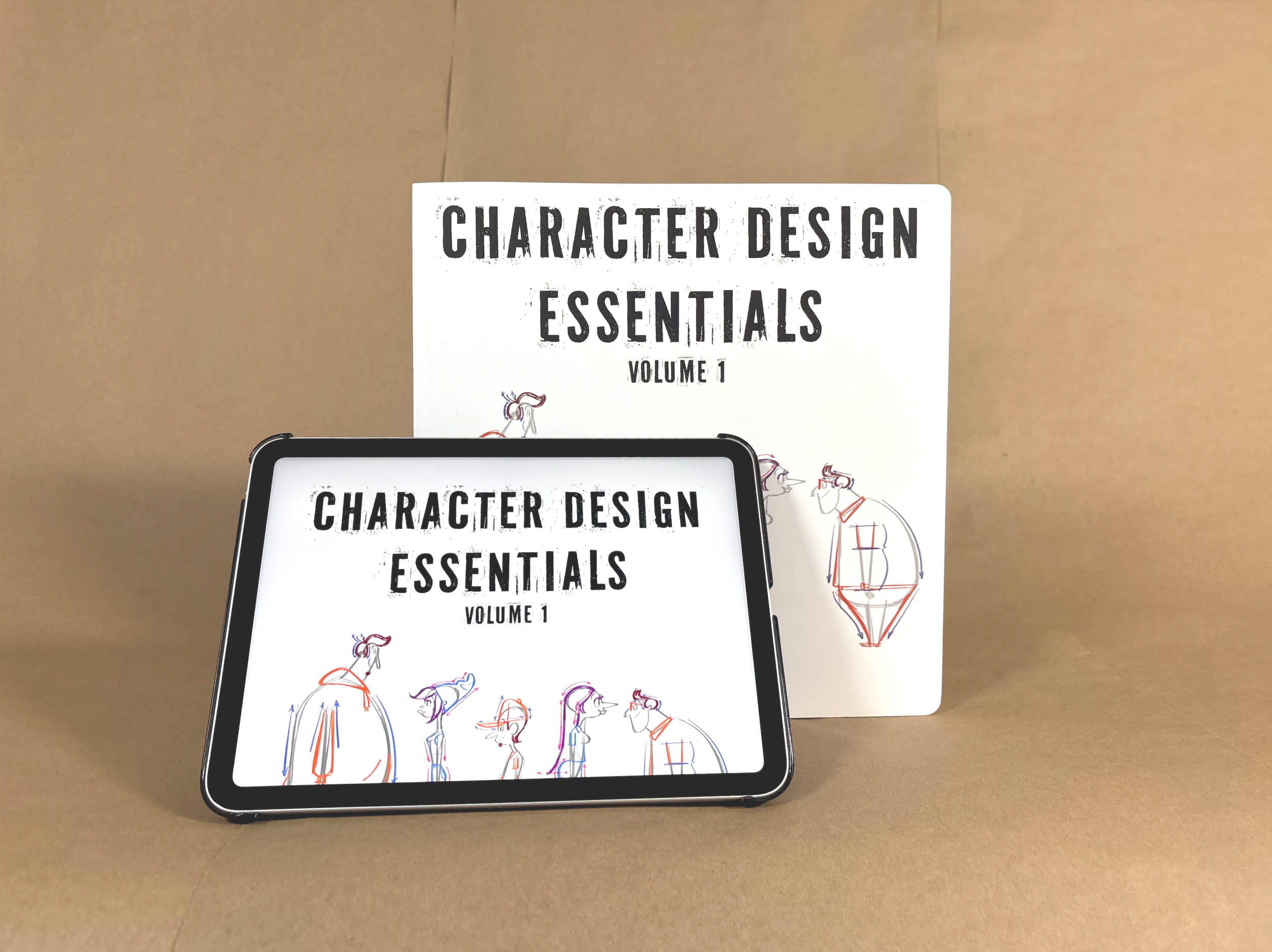
*Includes a HiRes and LoRes PDF for Mobile Devices and Desktops*
Trusted by Industry Professionals
"I had the pleasure of mentoring David early in his beginning journey as a character designer. He's a creative talent that has a solid knack for crafting characters with personality and depth. I'm happy to endorse David as a skilled character designer who can bring creativity to any project.
Joe Moshier (The Emperors New Groove, Boss Baby, Vivo)
"David taught me everything i know. I know very little, but i owe it all to him. You need this book!!" Peace and Love!
Craig Kellman (Hotel Transylvania, Madagascar, Samurai Jack)
"David has that design insight that will get you to the next level in your work. "
Tony Siruno (Spider-man: Into the Spiderverse, Kung Fu Panda, How to train your dragon)
Learn the WHY and HOW behind great character design.
Beginner-friendly
More art. Less text.
Easy to understand