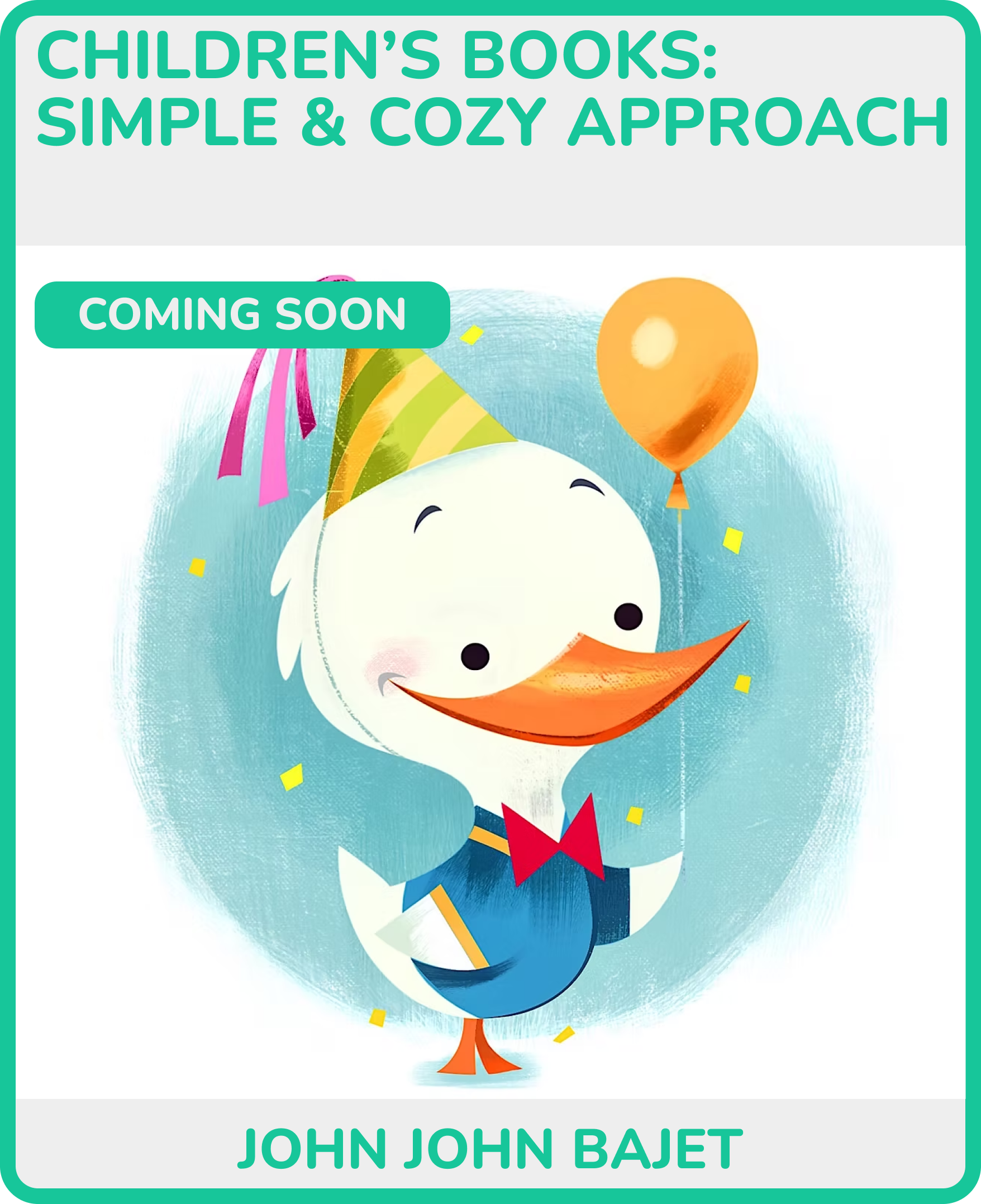
CHILDREN’S BOOKS: SIMPLE & COZY APPROACH
The Children’s Books: Simple & Cozy Approach lecture is designed for artists who want to step confidently into the world of children’s book illustration. Creating a picture book can feel like a daunting task, but breaking the process into clear, manageable steps makes it far more approachable and much more fun.
You’ll learn how to research and plan your illustrations, develop strong thumbnails and sketches, design expressive characters, and create polished, full illustrations.
Along the way, you’ll get a behind the scenes look at three real children’s book projects. We’ll share the honest process, what worked, what changed, and why certain creative decisions mattered. Diving into these books gives you a realistic window into what beginner illustrators can expect when working with clients.
By the end of the course, you’ll complete a finished mini picture-book project, develop a repeatable workflow, and feel confident and prepared to tackle your next children’s book illustration project.
COMING SOON


THE FACULTY
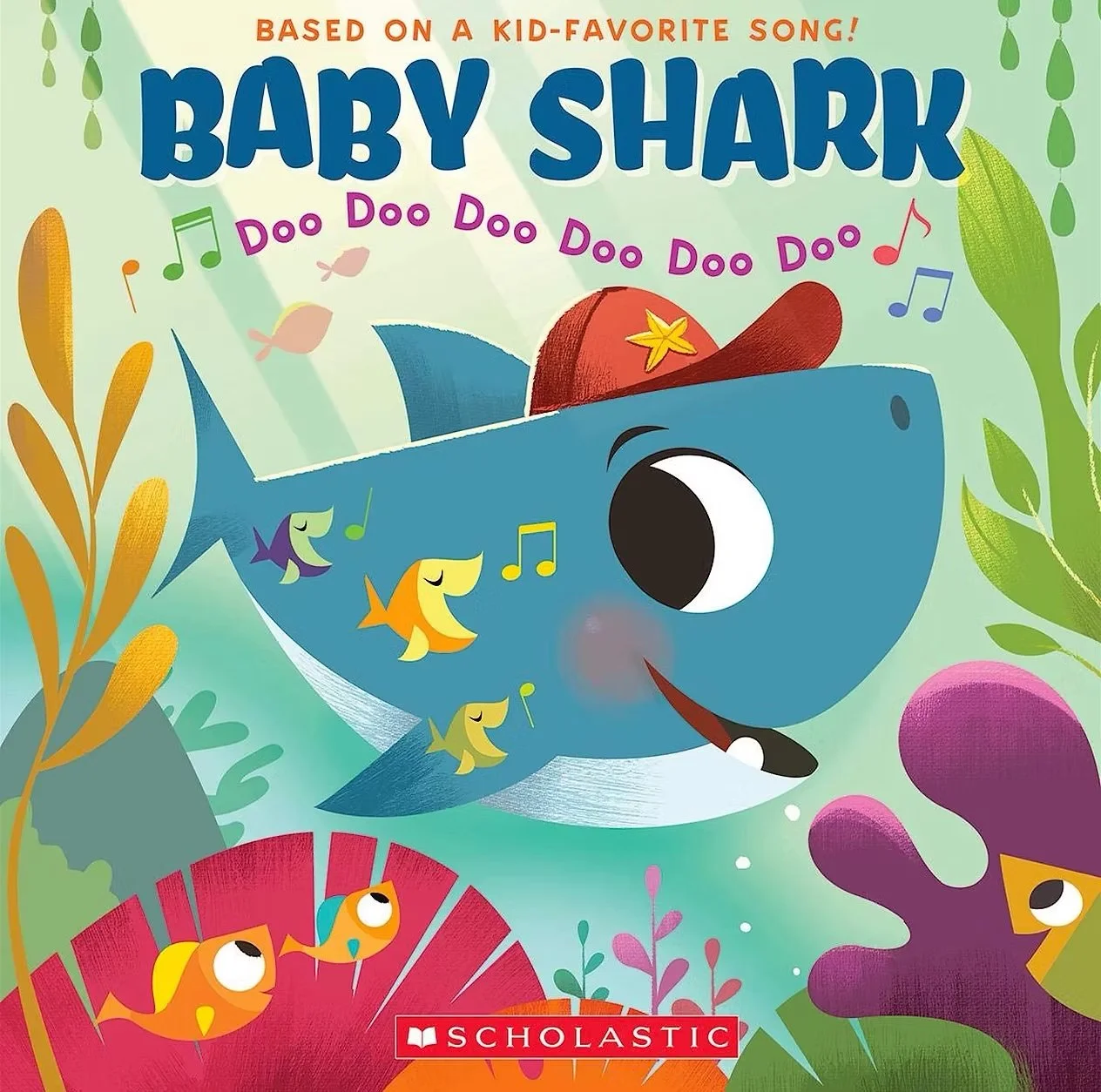
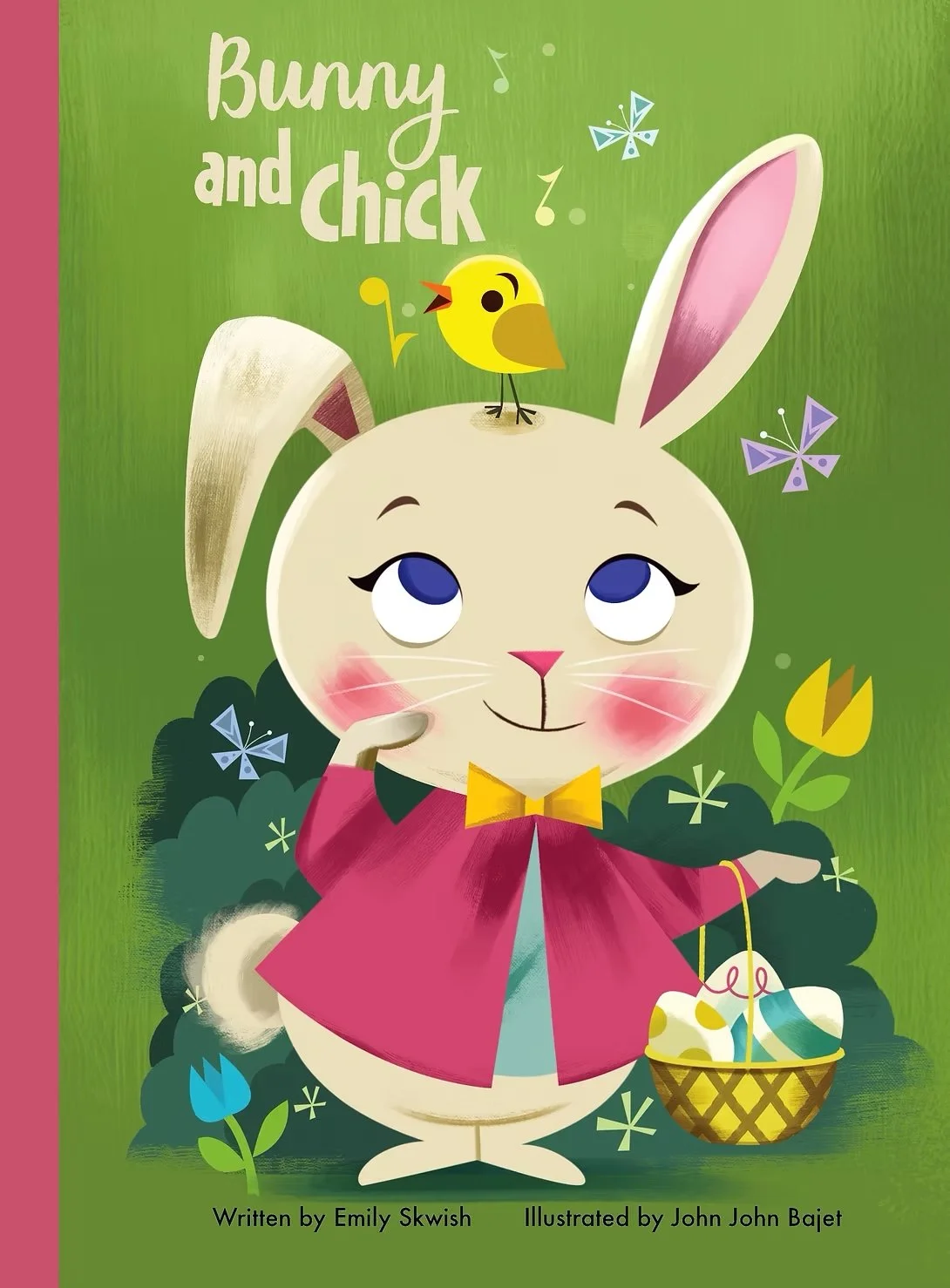
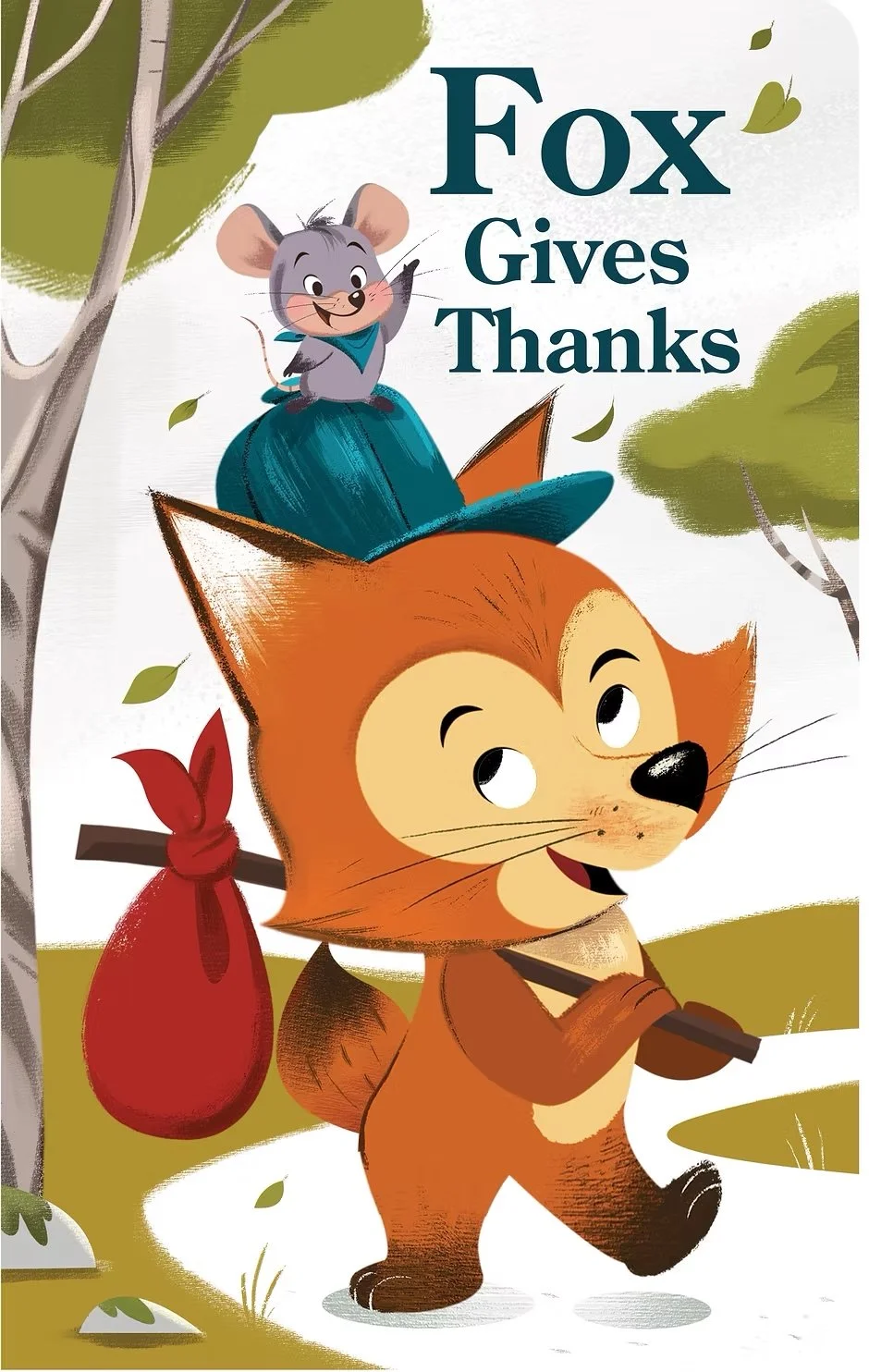
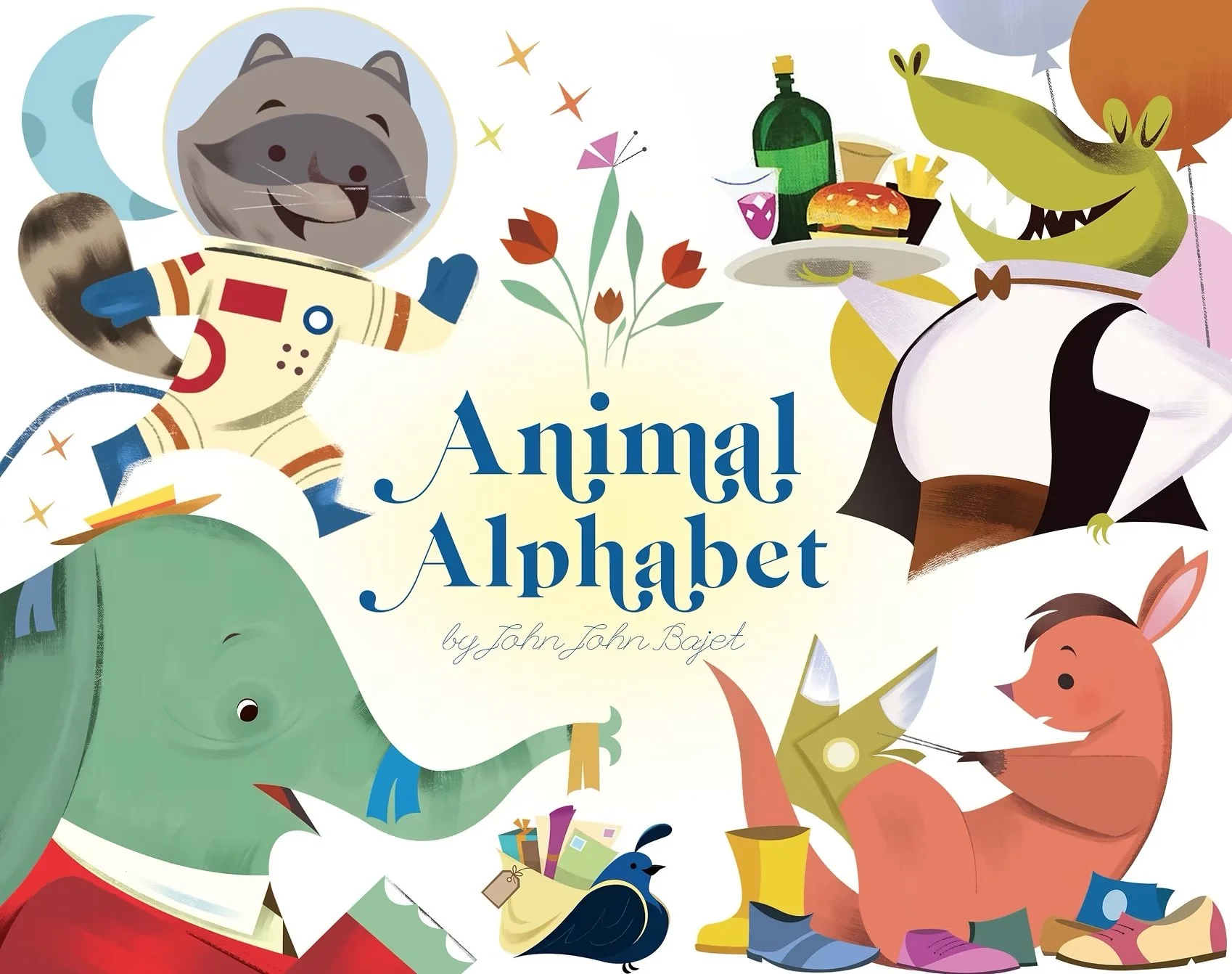
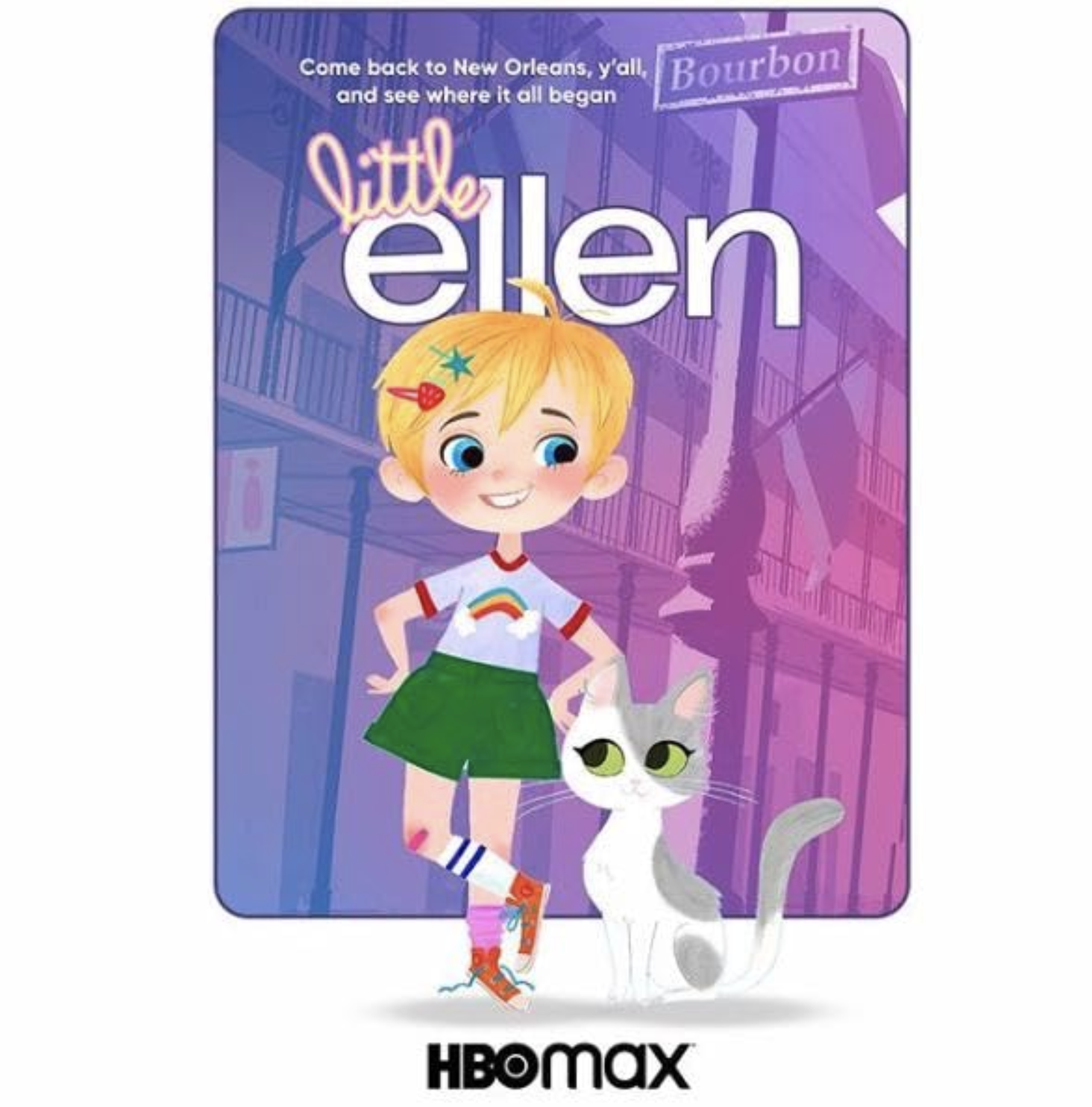
John John Bajet is a children’s book illustrator and animation artist whose work spans around the world. He has illustrated the beloved Baby Shark series for Scholastic and contributed to classic animated shows like Tom and Jerry and SpongeBob SquarePants, bringing humor, heart, and personality to every character and scene. With experience at Disney Publishing and collaborations with major clients including Scholastic, Houghton Mifflin Harcourt, Penguin Random House, Cottage Door Press, Nickelodeon, and Warner Bros., John John combines professional graphic illustration with a story-driven approach. Blending a playful understanding of narration with vibrant, kid-friendly visuals, he specializes in creating illustrations that connect with young readers while helping authors’ stories come to life. From books to television animation, his work demonstrates a love for characters, color, and composition and a commitment to making every page engaging, fun, and memorable.
You can find more of his work at https://www.johnbajet.com/.
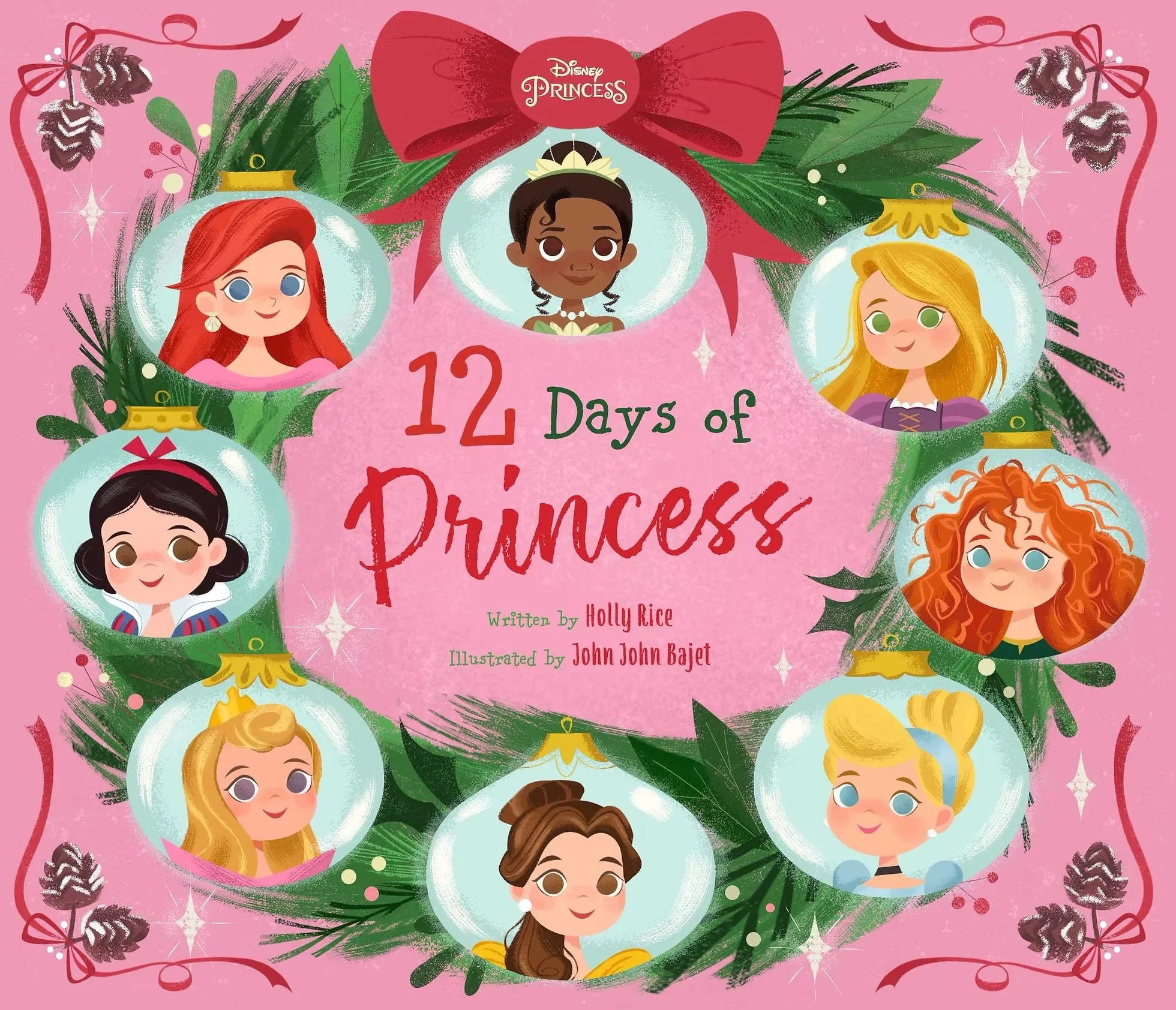
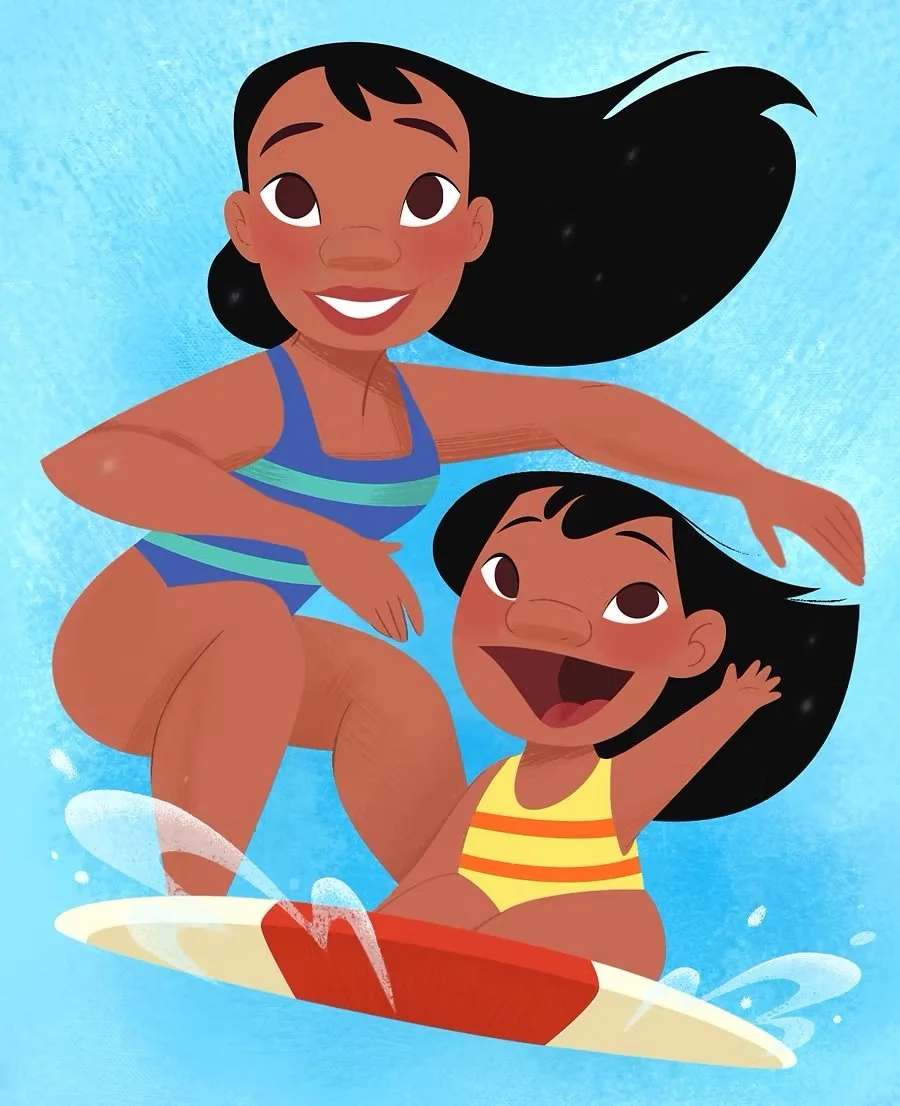
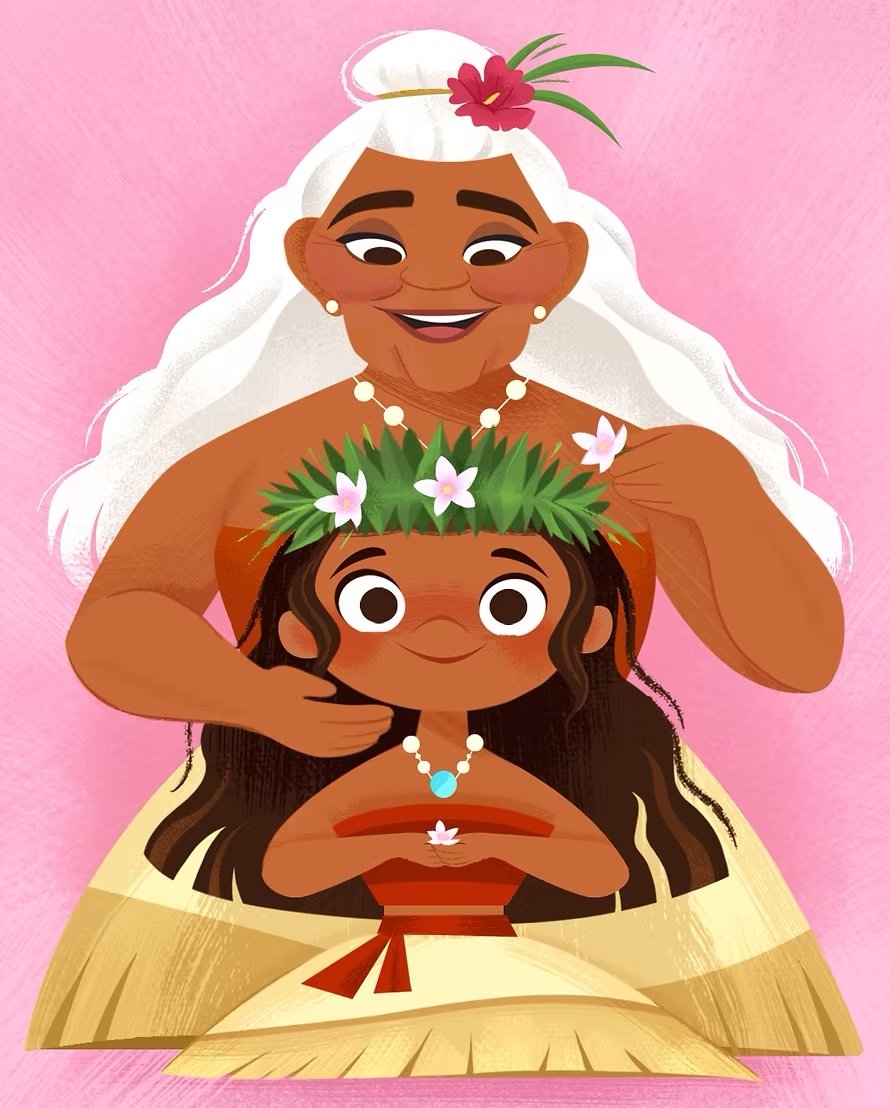

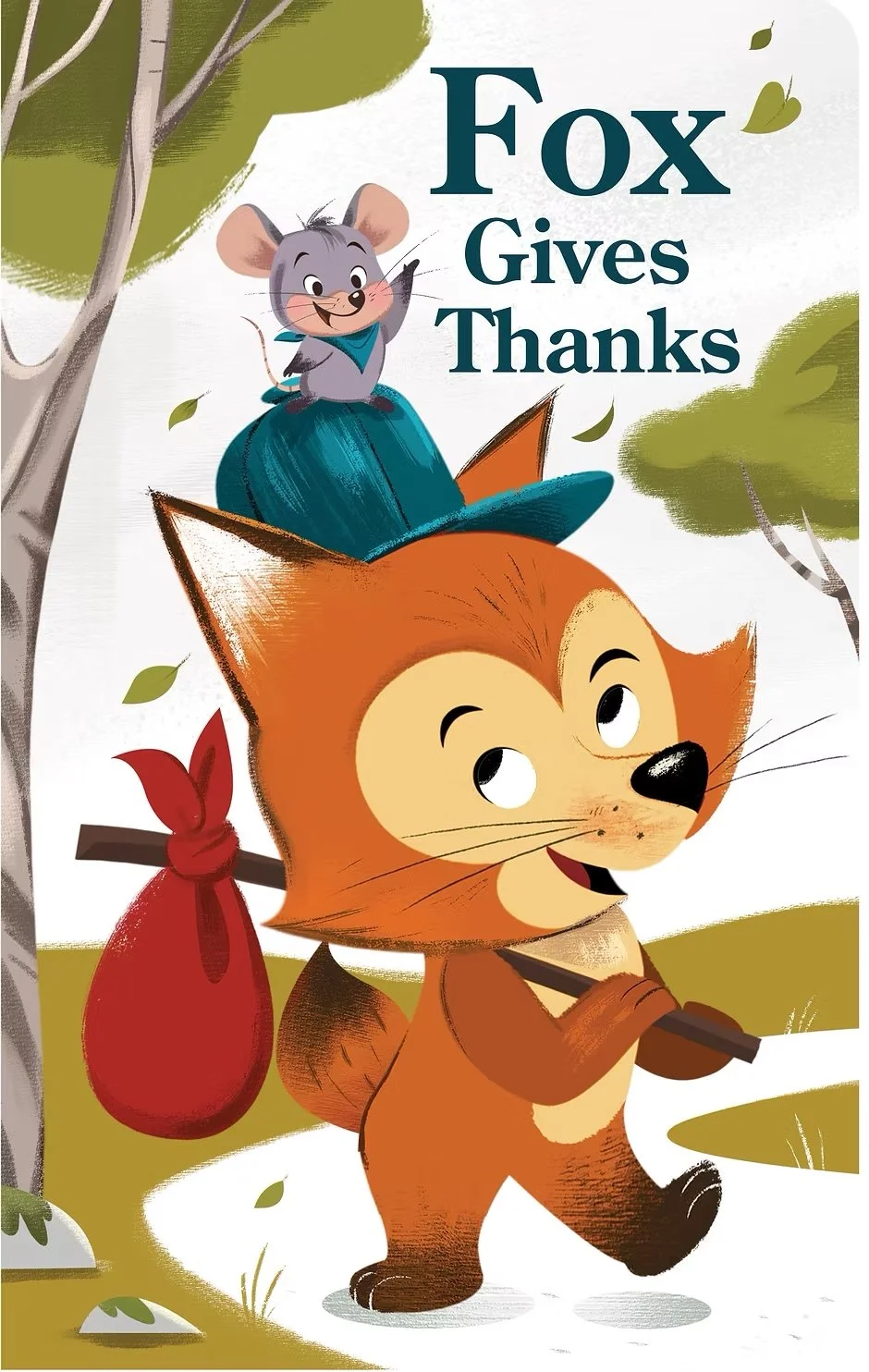
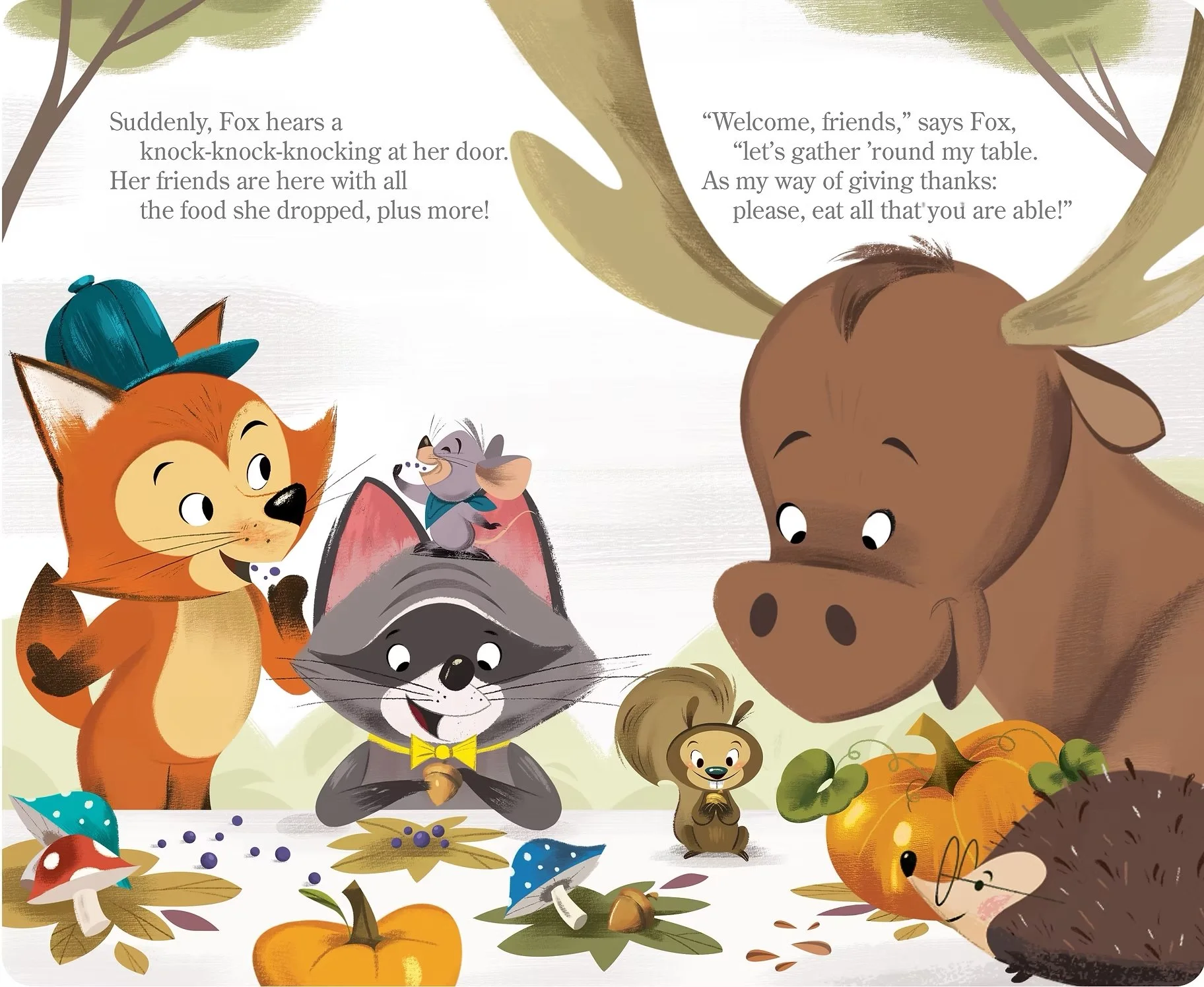
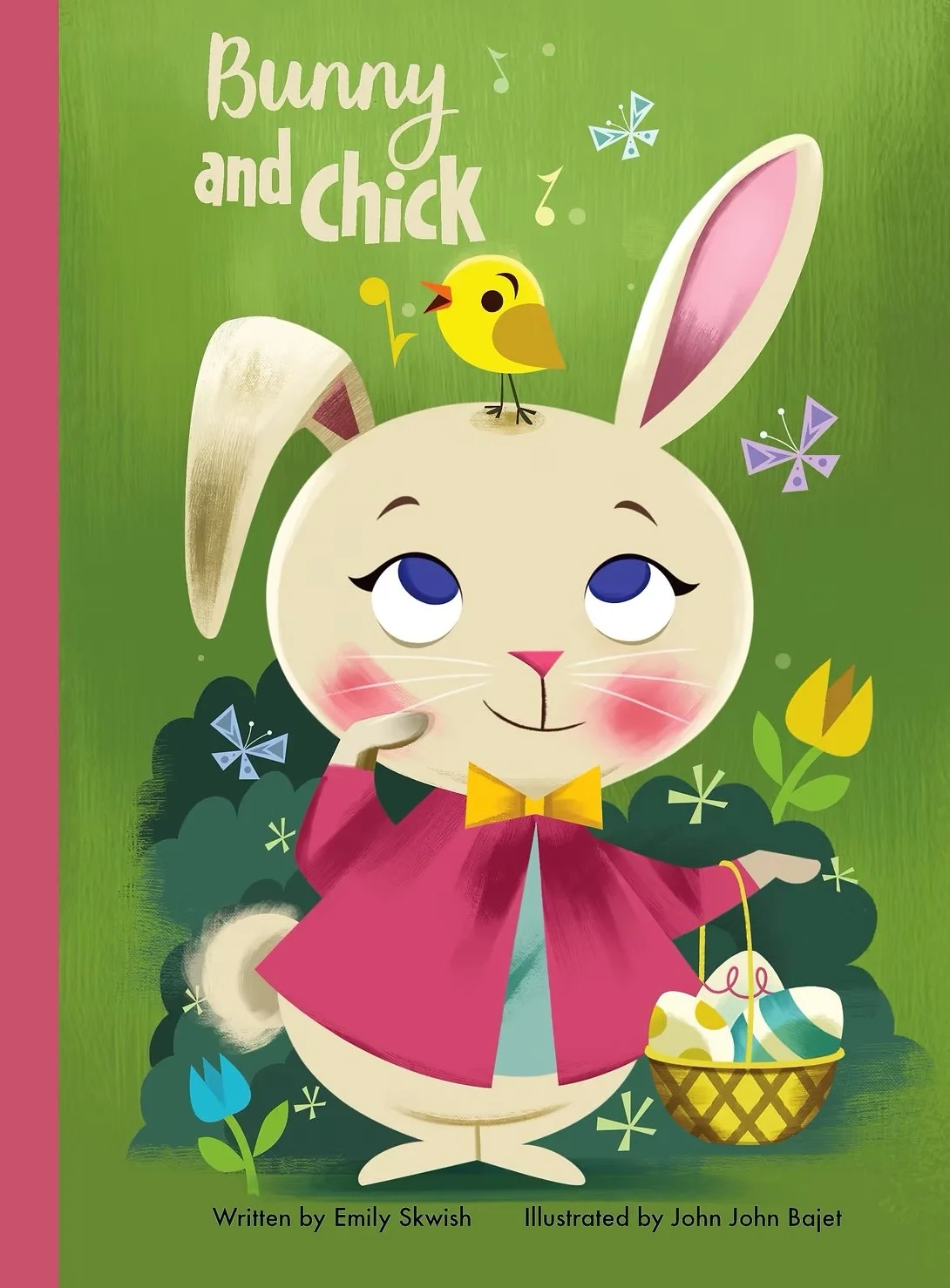
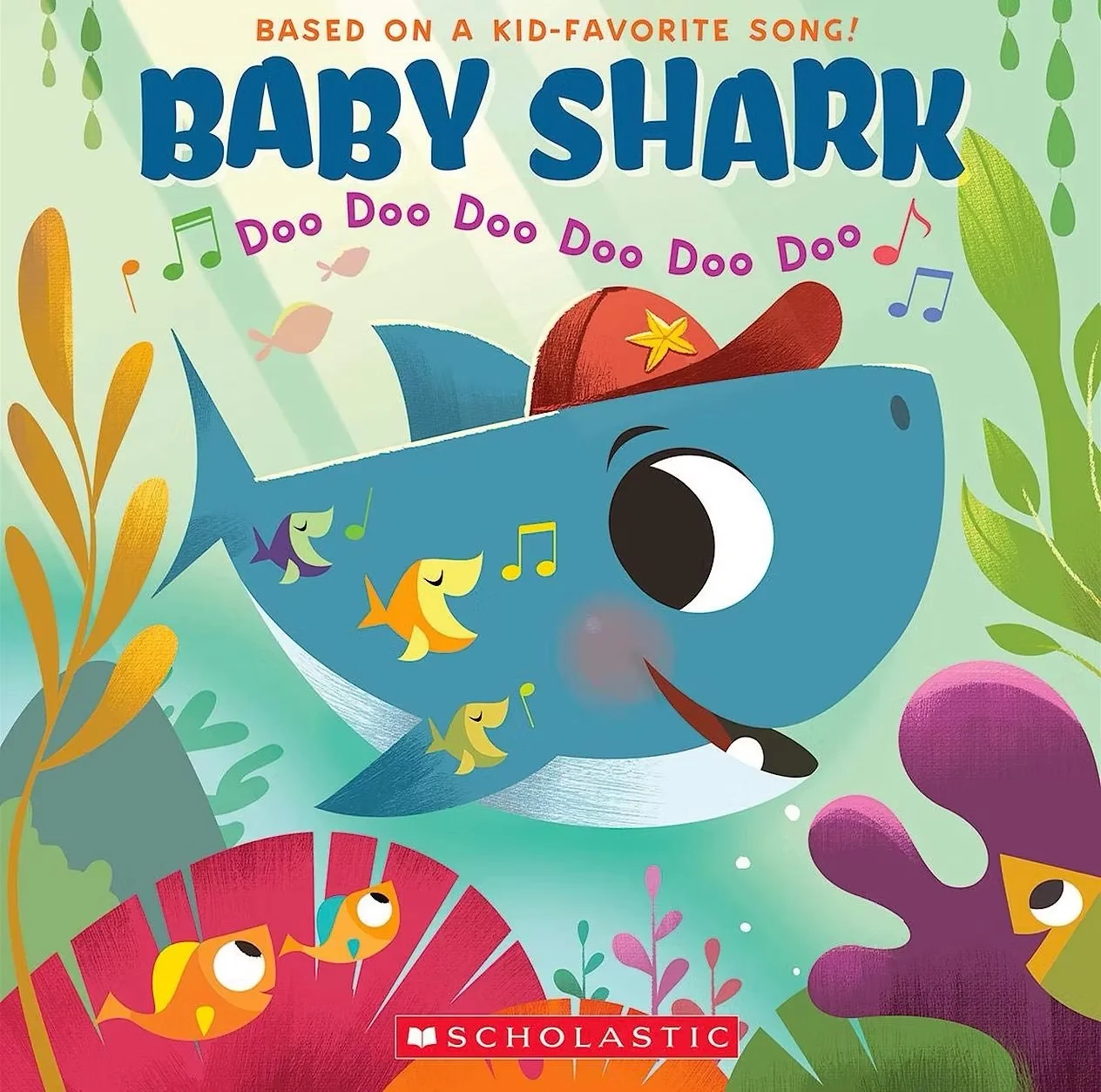
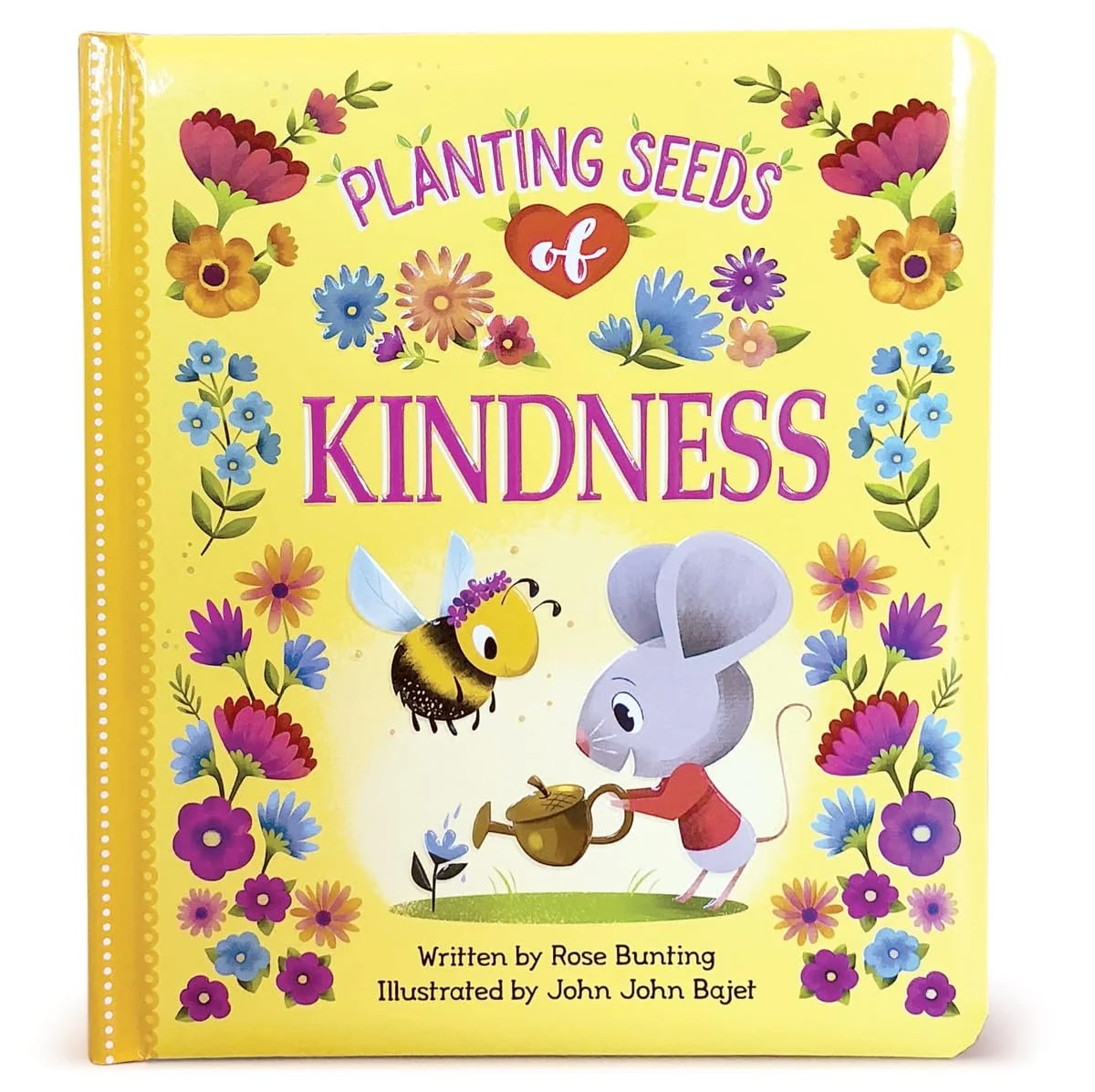
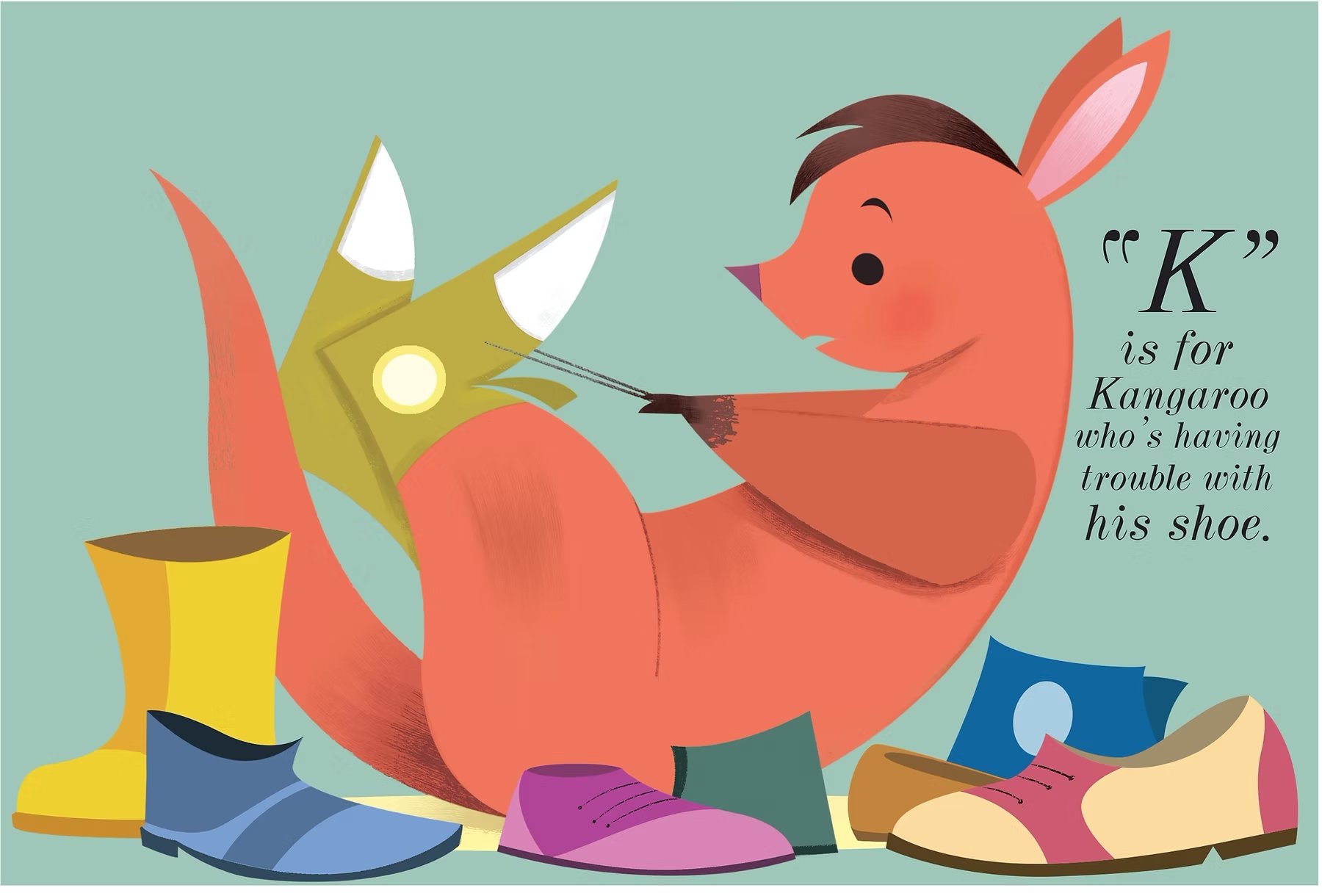
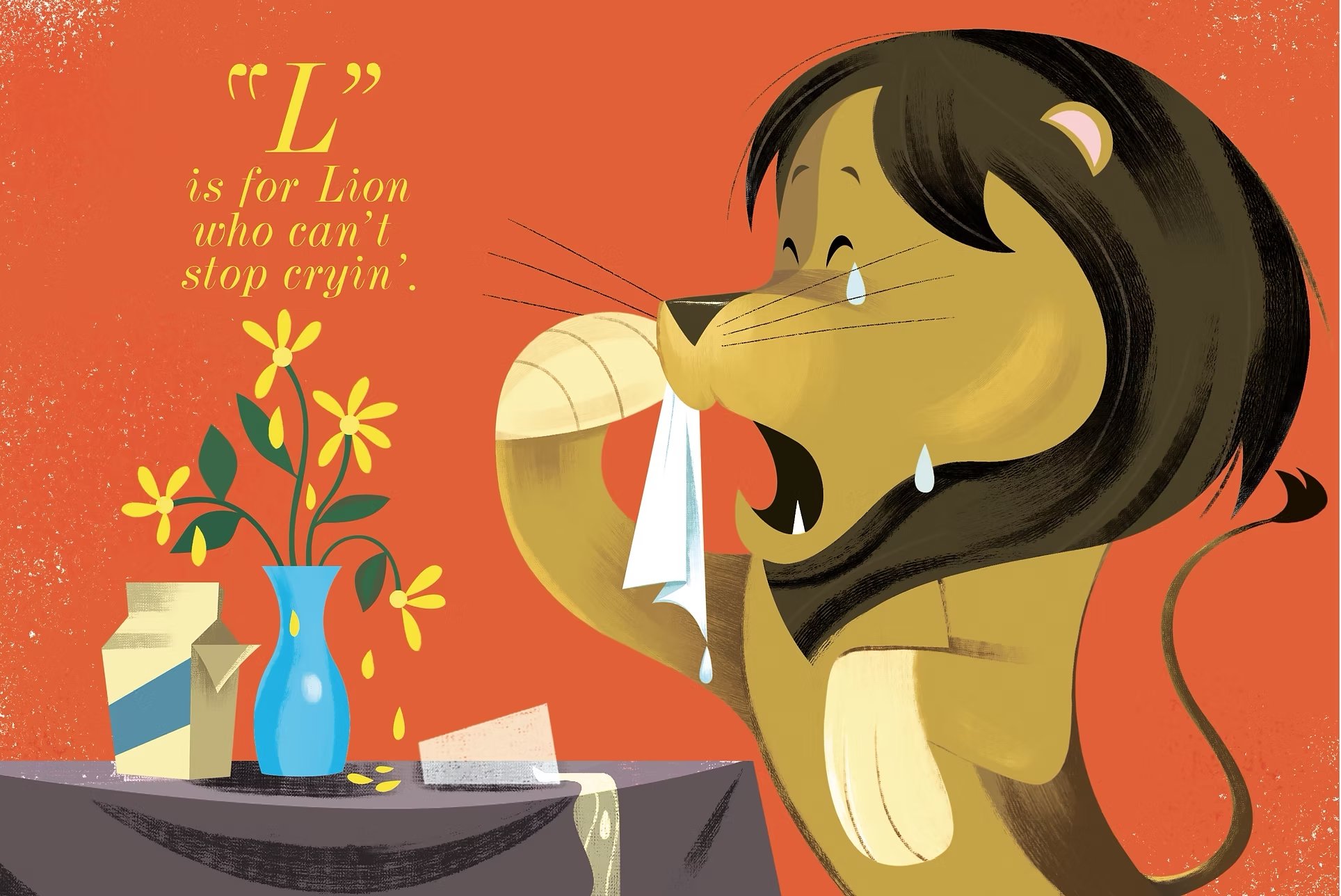
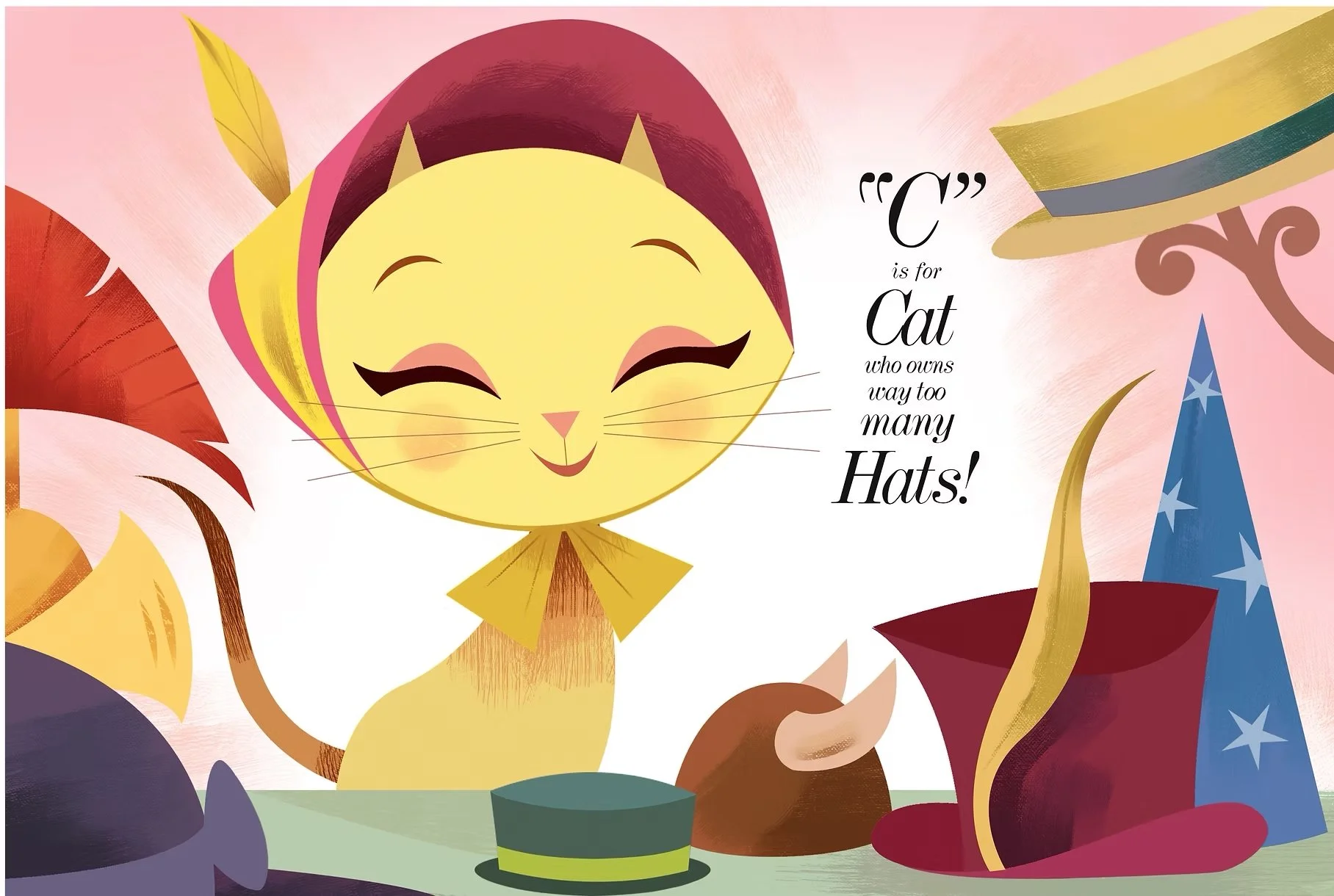
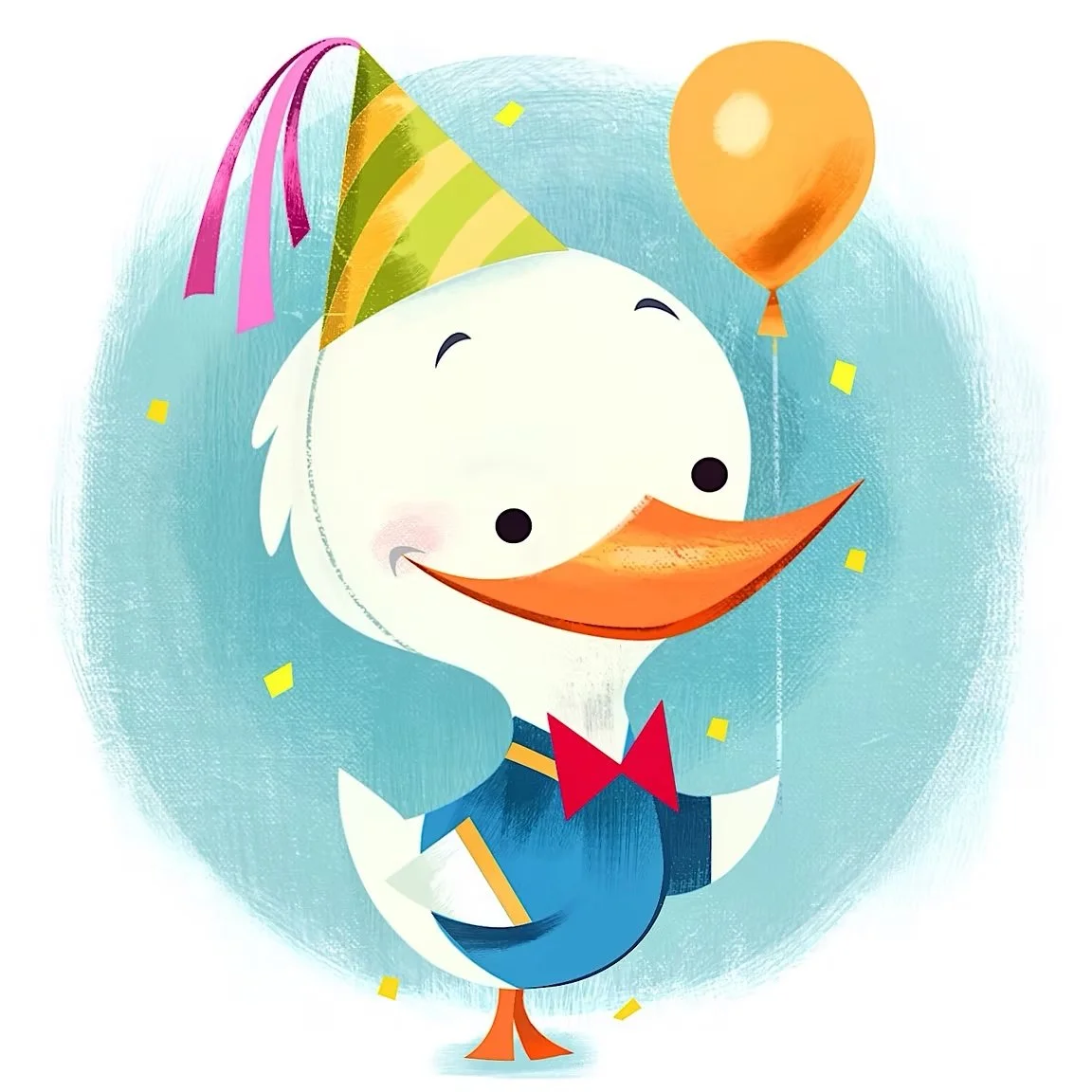
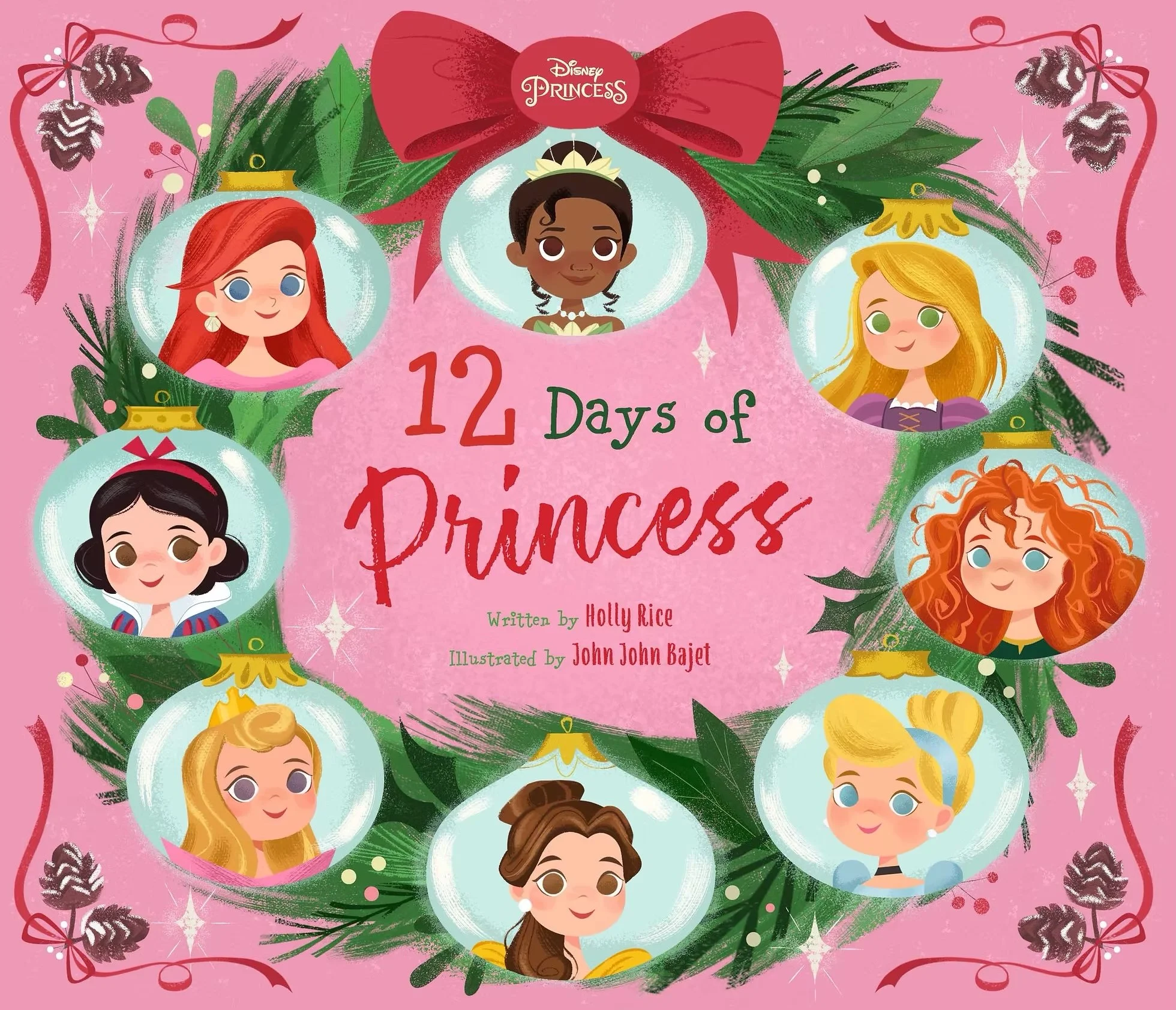
John John’s Credits

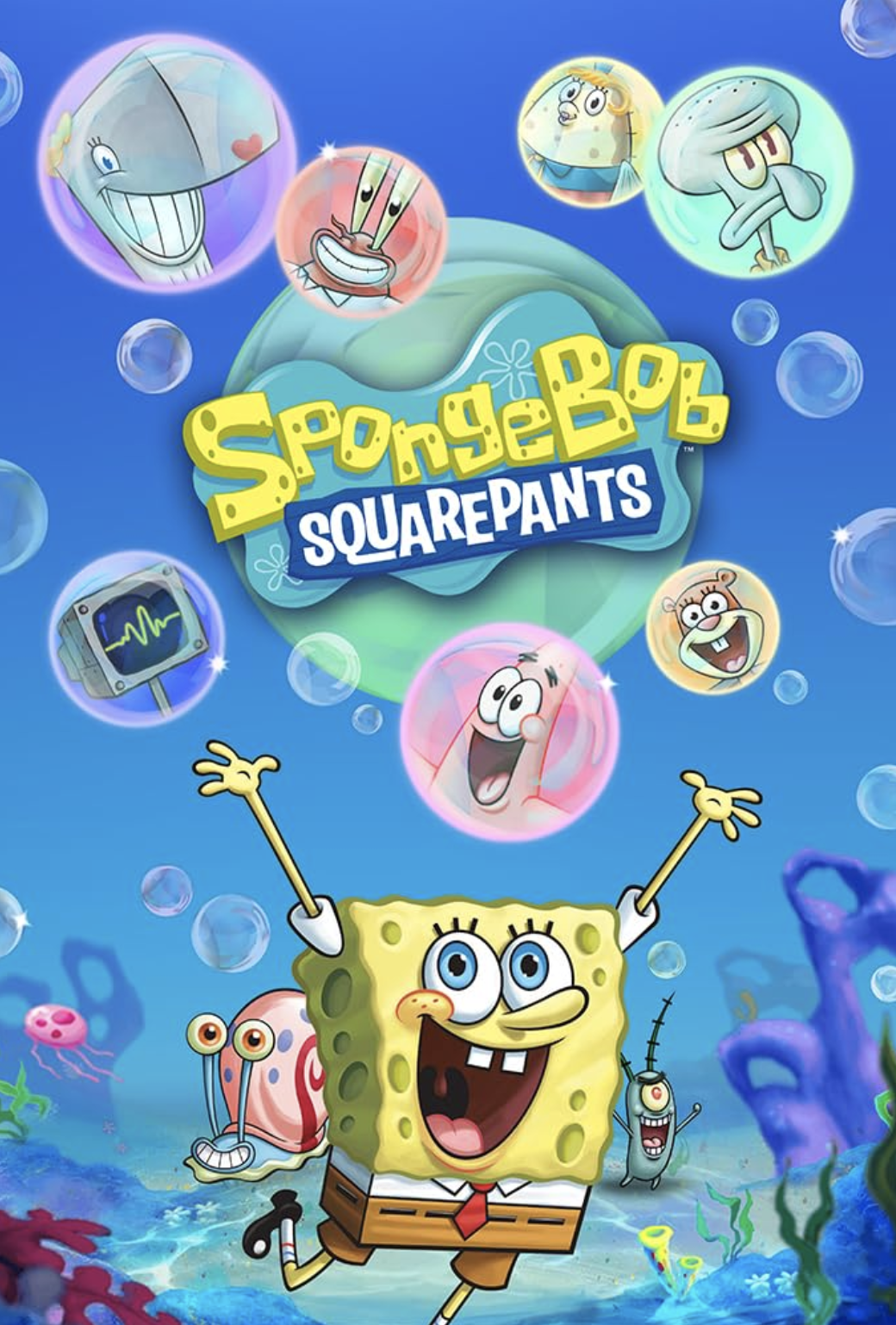
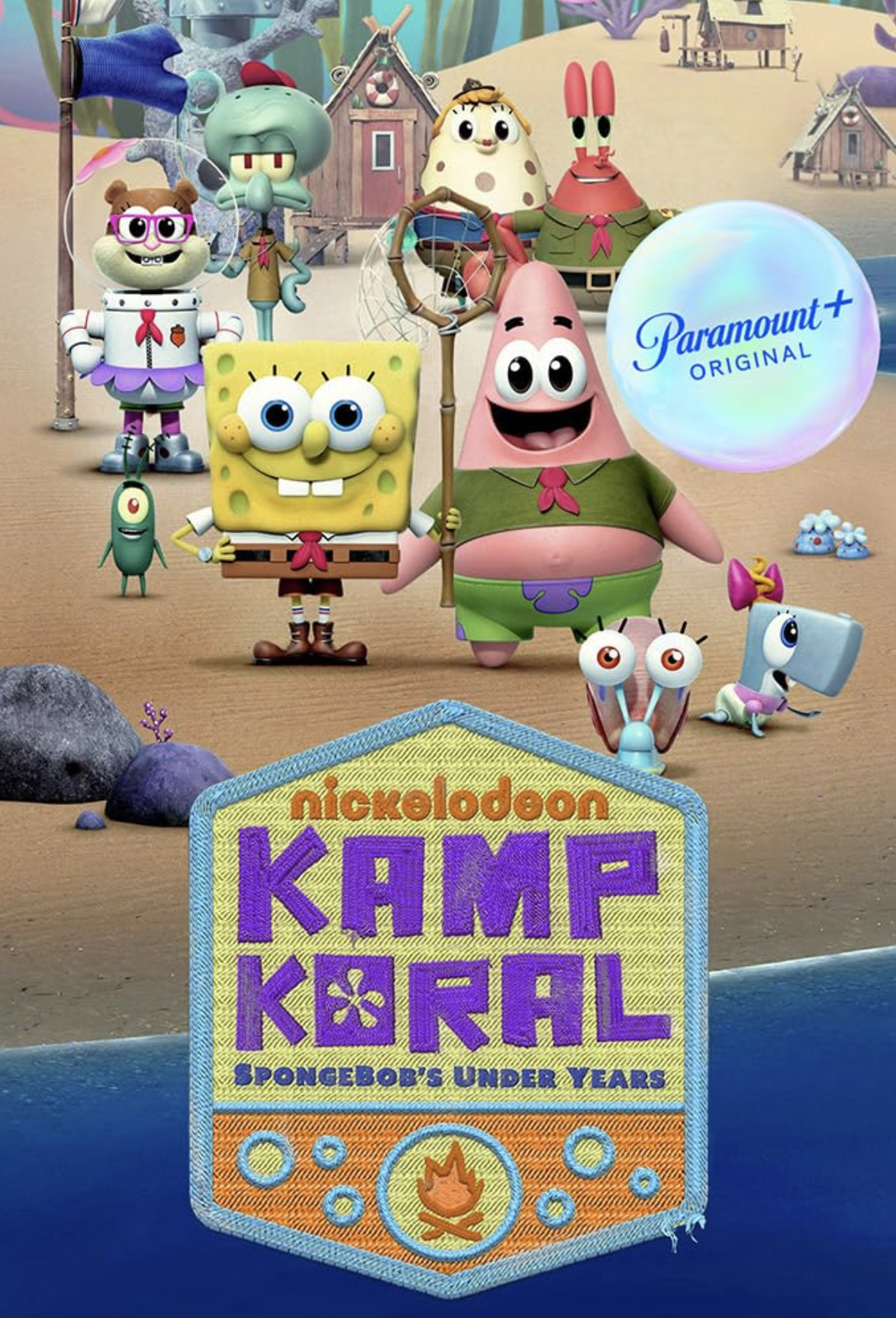
Prerequisites
This is an all-level class. In order to have a productive learning experience, students need the following:
Traditional Drawing Tools: Paper, Pencil, Eraser, Ruler
Digital Drawing Software/Tools (Adobe Photoshop, Procreate, ect…)
Access to Discord to join The Art Club’s Discord community.


-
Learn how to create a clear roadmap before you start drawing. This section focuses on research, mood boards, and working small to explore ideas quickly through thumbnails, value, and shape before committing to final compositions.
-
Discover what makes picture book illustration unique. You’ll learn how to simplify the picture plane, use shape language and exaggeration intentionally, and balance detail so your illustrations stay clear and readable for young audiences.
-
Create characters that are expressive, consistent, and story-driven. This section covers personality, facial expressions, gesture, silhouette, and building model sheets that keep characters on-model across illustrations.
-
Explore how color supports story and emotion. You’ll learn to build limited palettes, create color scripts, use texture intentionally, and understand when to trust your instincts or when it’s time to pivot.
-
Design environments that support the story without overpowering your characters. This section covers stylization, pattern and repetition, props, and background elements to create engaging, story-rich worlds.
-
Learn how illustrations flow across pages. You’ll explore framing, page types, pacing, page turns, and sequencing as you create a short visual story told over multiple illustrations.
-
Bring everything together by learning picture book formats, page counts, cover design, text placement, and book dummies. You’ll apply these skills by creating an 8–12 page dummy with a finished, colored cover.
-
Focus on building a repeatable process you can use again and again. This module shows how to apply the workflow to personal and client projects, with real book examples and insights into professional organization.
-
Prepare for the professional side of children’s illustration. You’ll learn what art directors look for, how to build a strong portfolio, understand publishing paths, improve online presence, and network in ways that feel comfortable and authentic.


Who is this Lecture for?
The Children’s Books: Simple & Cozy Approach lecture introduces students to the fundamentals of children’s book illustration, including visual storytelling, character driven illustration, and how to plan and research a picture book from start to finish.
Pre-College Students – who want to learn the basics of children’s book illustration and visual storytelling.
Current College Students – looking to strengthen their portfolios with children’s book focused illustration and a clearer creative process.
Professionals – seeking to refine their workflow, explore a simpler and cozier visual approach, or expand into children’s book illustration.
Hobbyists – who want to explore storytelling through illustration and bring their own children’s book ideas to life.

Outcomes
By the end of this lecture, students will be able to:
Plan and structure illustrations that support clear, engaging children’s book storytelling
Develop strong thumbnails and sketches to explore pacing, composition, and visual flow
Design expressive characters and environments that enhance tone, warmth, and readability
Understand the professional children’s book illustration process, along with a clear, repeatable workflow for creating children’s books
A behind-the-scenes understanding of the illustration process from concept to final art, including what to expect when working with an art director and client
What You’ll Make: A finished picture book dummy.