
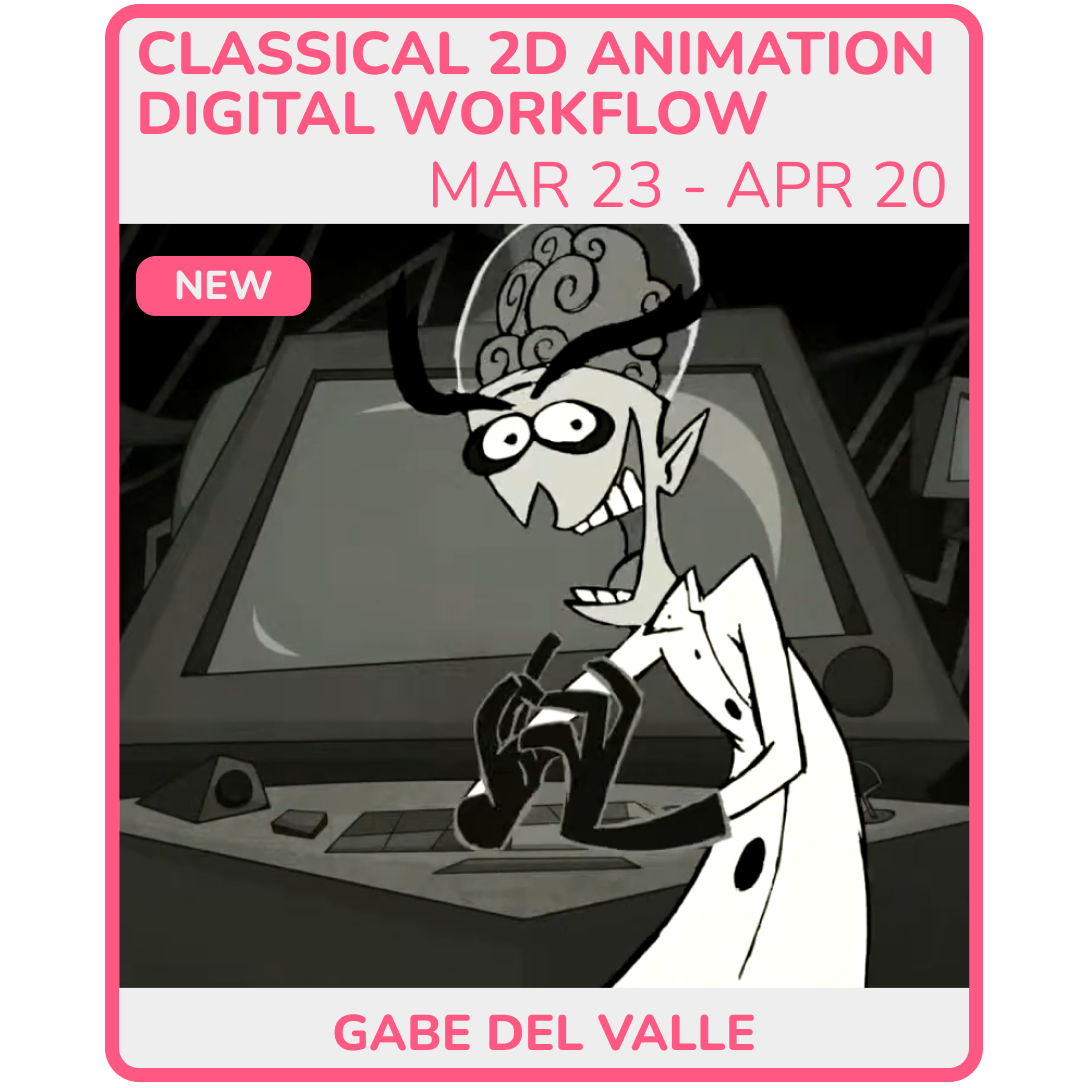
In the Classical 2D Animation Digital Workflow workshop at The Art Club, Gabe focuses in this introductory course on the fundamental principles of classical 2D animation, taught through a modern digital workflow. Students will learn the core concepts that bring movement to life. Such as timing, spacing, weight, and appeal. Through lectures, demonstrations, and guided examples rooted in traditional animation theory. These principles are then applied directly to hands-on assignments using the digital animation software of each student’s choice.
Throughout the course, students will build a strong foundational understanding of animation by analyzing professional examples, completing structured exercises, and receiving feedback on their work. By the end of the course, students will have a solid grasp of essential 2D animation principles and the confidence to apply them within a professional digital pipeline or future animation projects.
CLASSICAL 2D ANIMATION DIGITAL WORKFLOW
In the Classical 2D Animation Digital Workflow workshop at The Art Club, Gabe focuses in this introductory course on the fundamental principles of classical 2D animation, taught through a modern digital workflow. Students will learn the core concepts that bring movement to life. Such as timing, spacing, weight, and appeal. Through lectures, demonstrations, and guided examples rooted in traditional animation theory. These principles are then applied directly to hands-on assignments using the digital animation software of each student’s choice.
Throughout the course, students will build a strong foundational understanding of animation by analyzing professional examples, completing structured exercises, and receiving feedback on their work. By the end of the course, students will have a solid grasp of essential 2D animation principles and the confidence to apply them within a professional digital pipeline or future animation projects.
By the end of this workshop, students will be able to:
Understand the core principles of classical 2D animation and how they apply to a modern digital workflow
Apply animation terminology, planning techniques, and performance-driven thinking to their work
Create short animated exercises that demonstrate timing, spacing, clarity, and appeal
What You’ll Make: Active students will complete multiple short 2D animation exercises, such as a bouncing ball, a jumping character, and an animated take, with guided instruction and personalized feedback.
Participants may join as Active students, receiving drawovers and feedback, or as Viewers, with access to the live sessions and text chat interaction with other viewers.


Dates
Mondays - March 23 & April 20
Time
6:00pm - 9:00pm PST
Location
The Art Club - Discord: <https://discord.gg/TZb8wK292j> Blue Classroom


FORMAT
Class meets on Discord
Active Students must uploaded homework to the Google Drive folder before the next class.
Active Student spots are limited to 15 participants, and Viewer access is limited to 50 seats.
Active students will receive their feedback directly from the instructor.

THE FACULTY
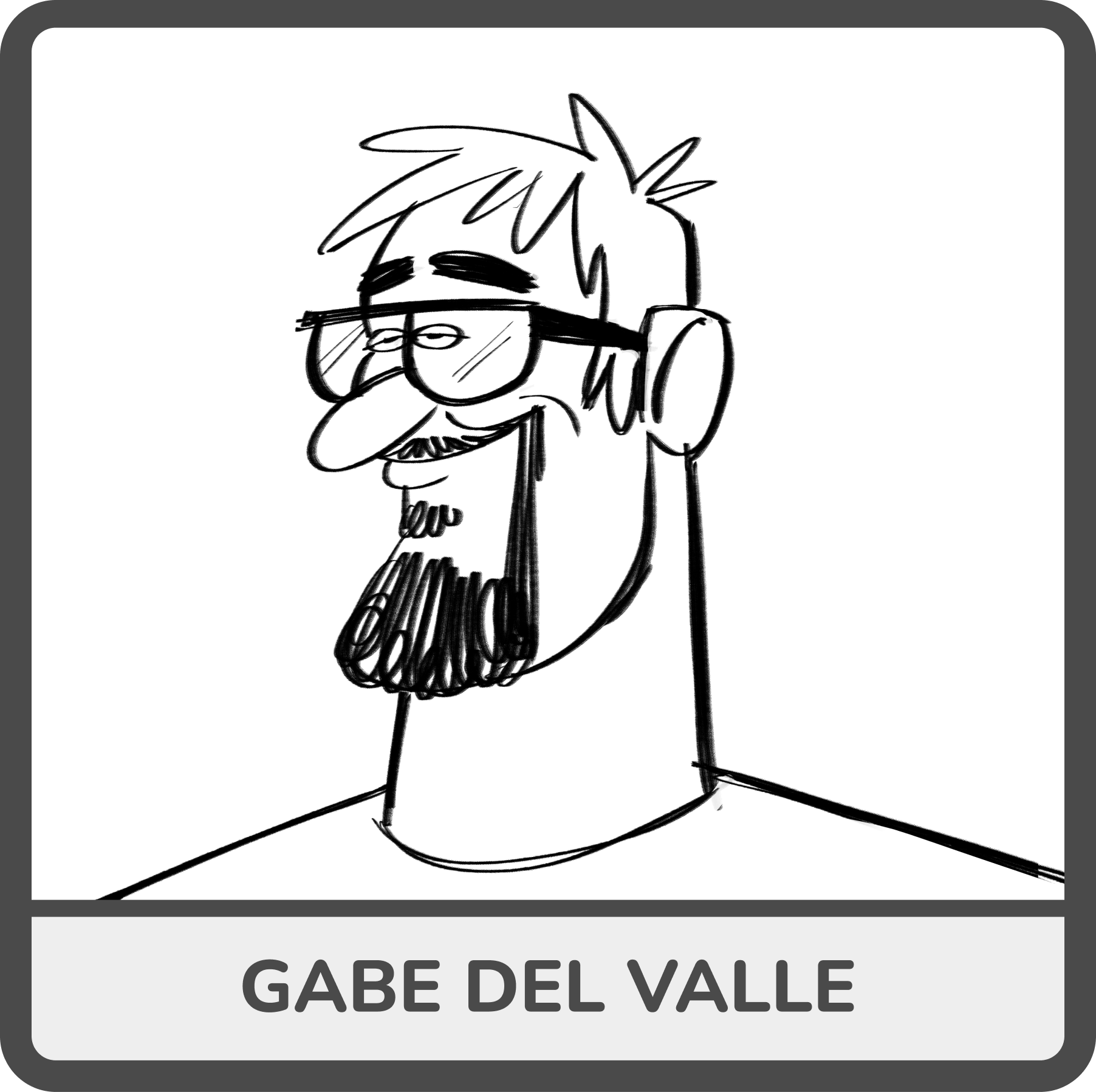
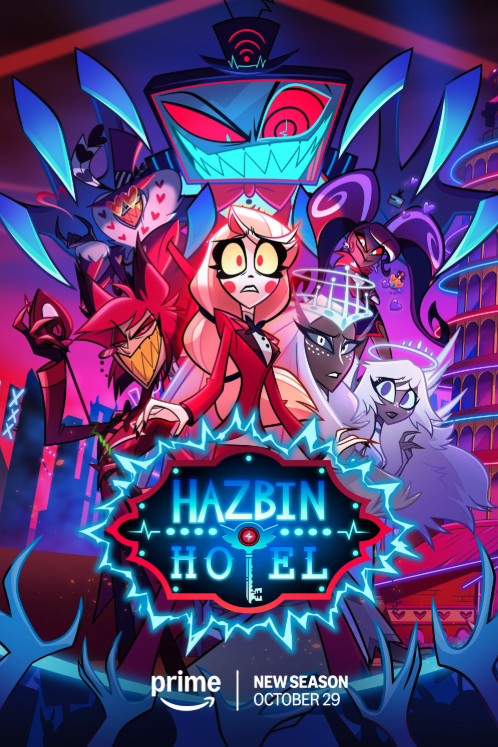
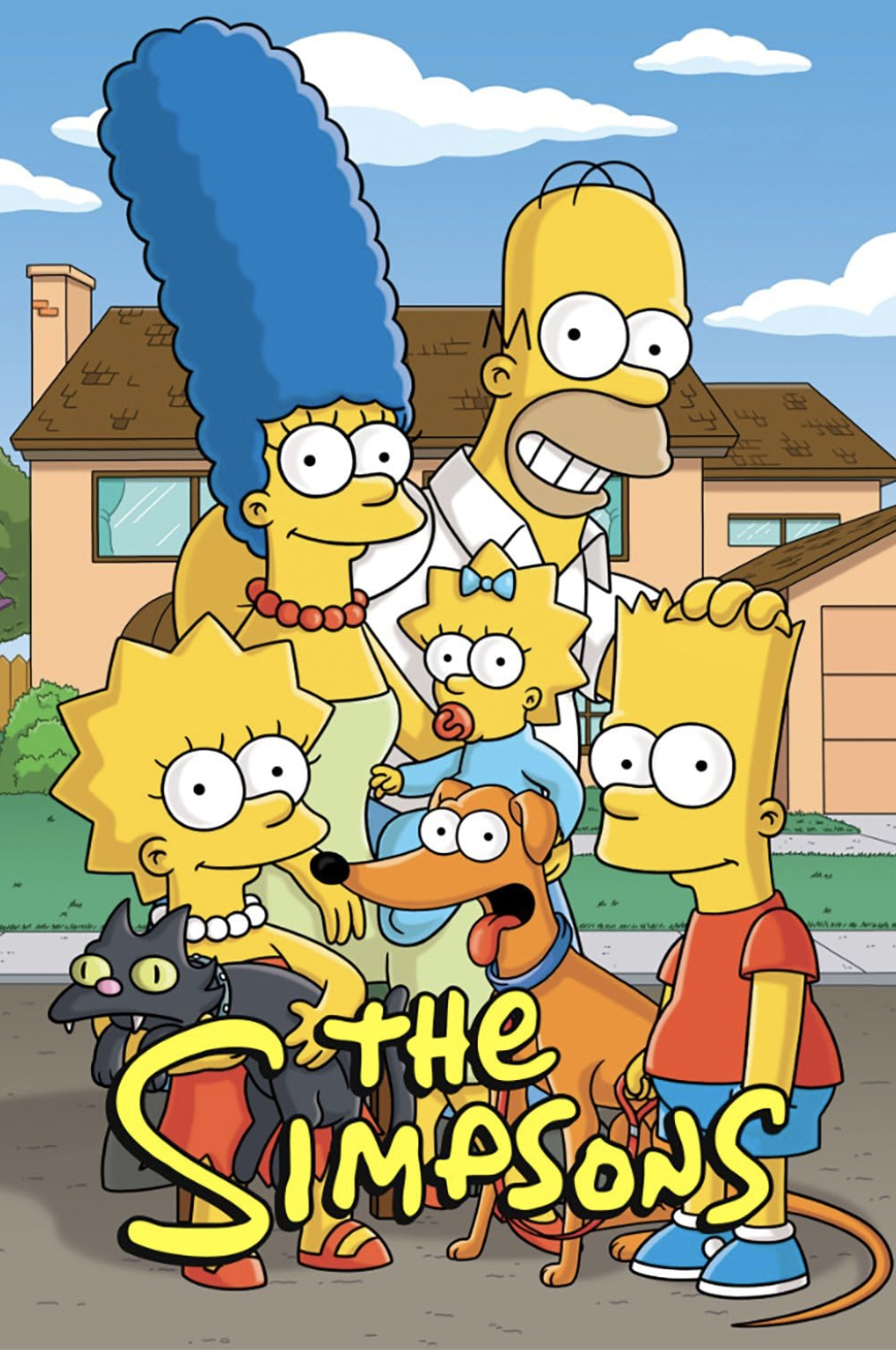
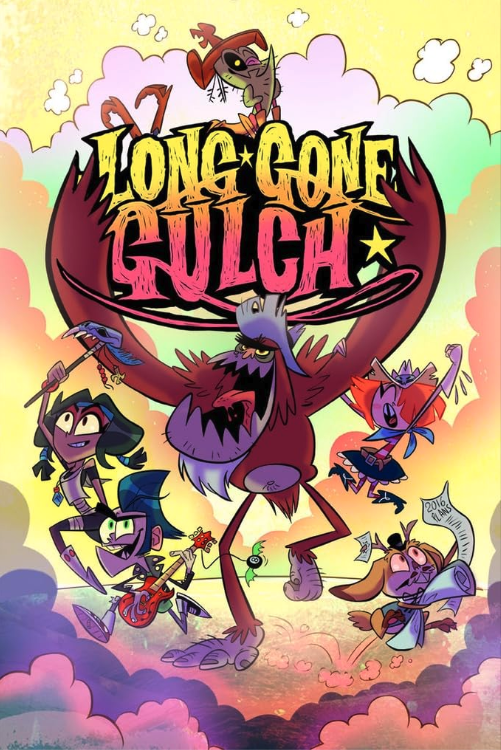
Gabe Del Valle is an animator, storyboard artist, writer, and director with over a decade of professional experience in television animation. A graduate of Laguna College of Art and Design, Gabe began his career as an animator, contributing to iconic productions such as The Simpsons, Animals. (HBO), Hazbin Hotel, and Long Gone Gulch. His early animation work laid a strong foundation in movement, timing, and performance. Skills that continue to inform his storytelling approach today.
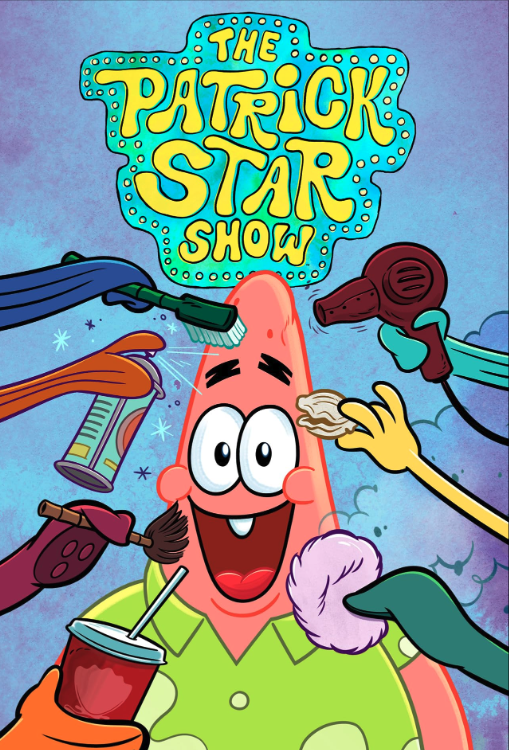
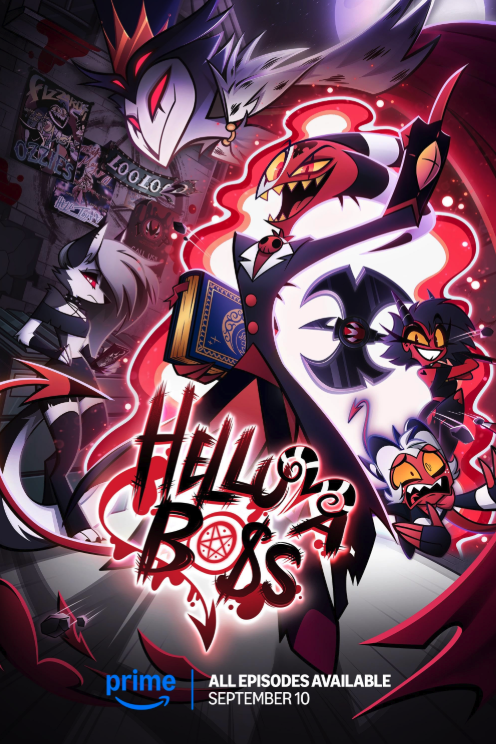
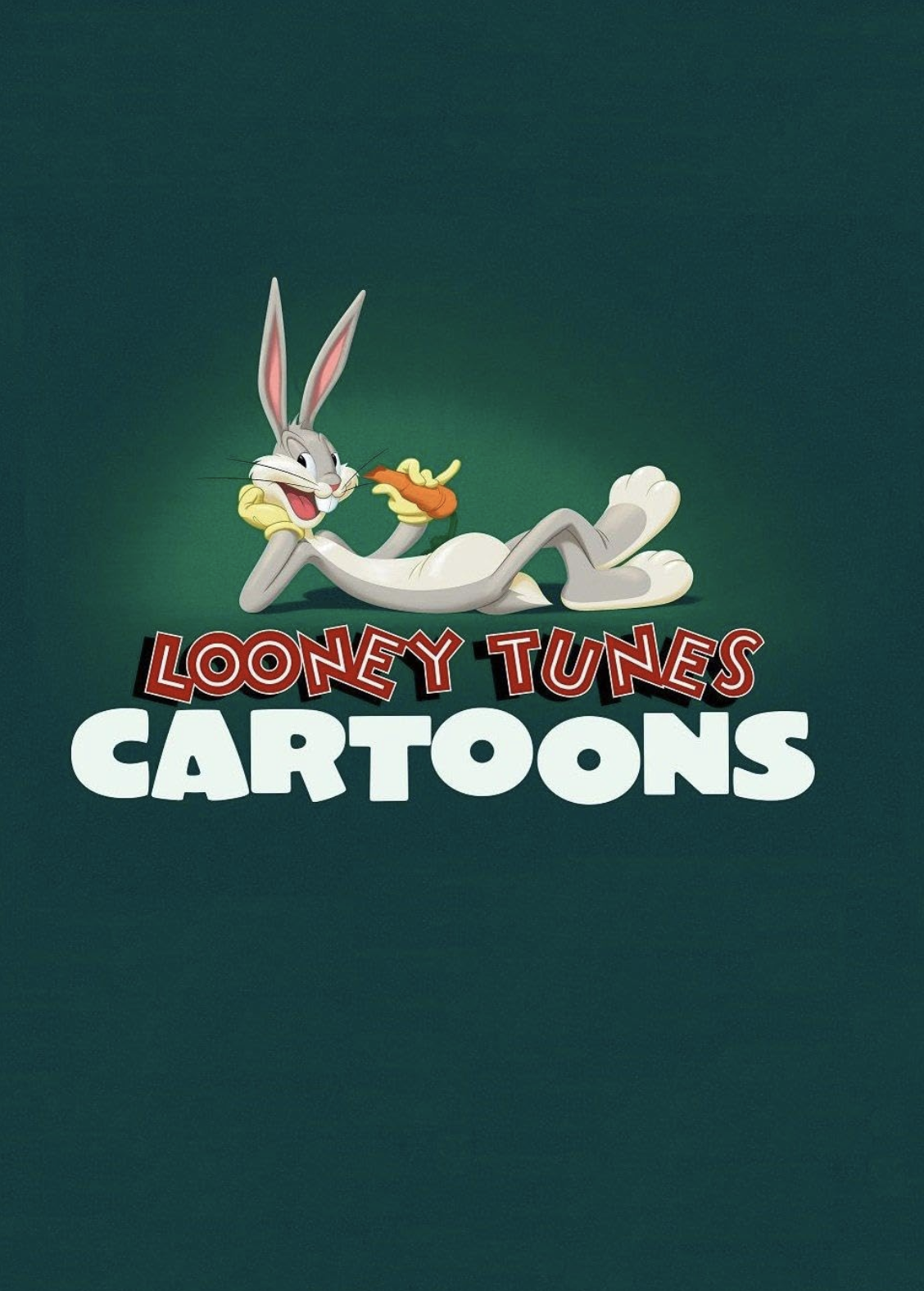
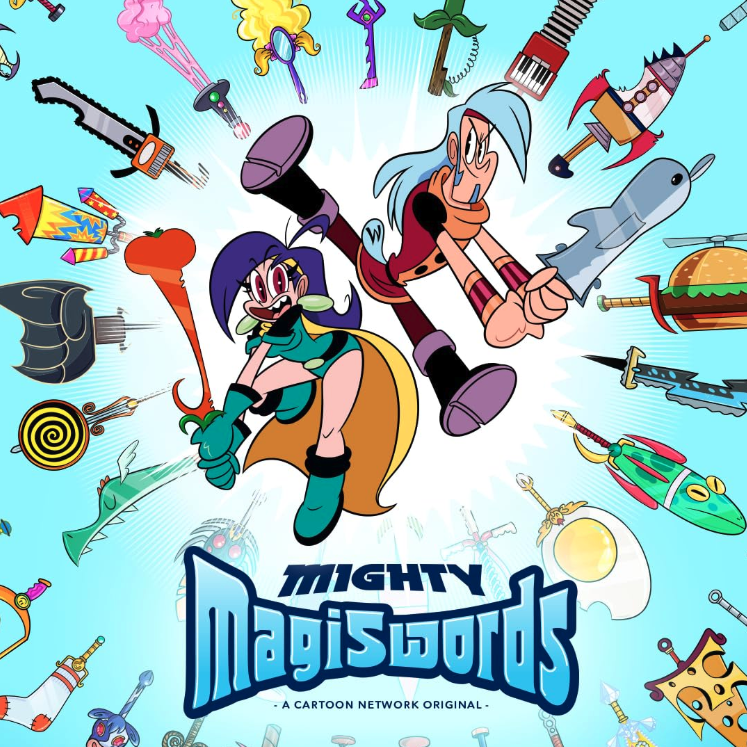
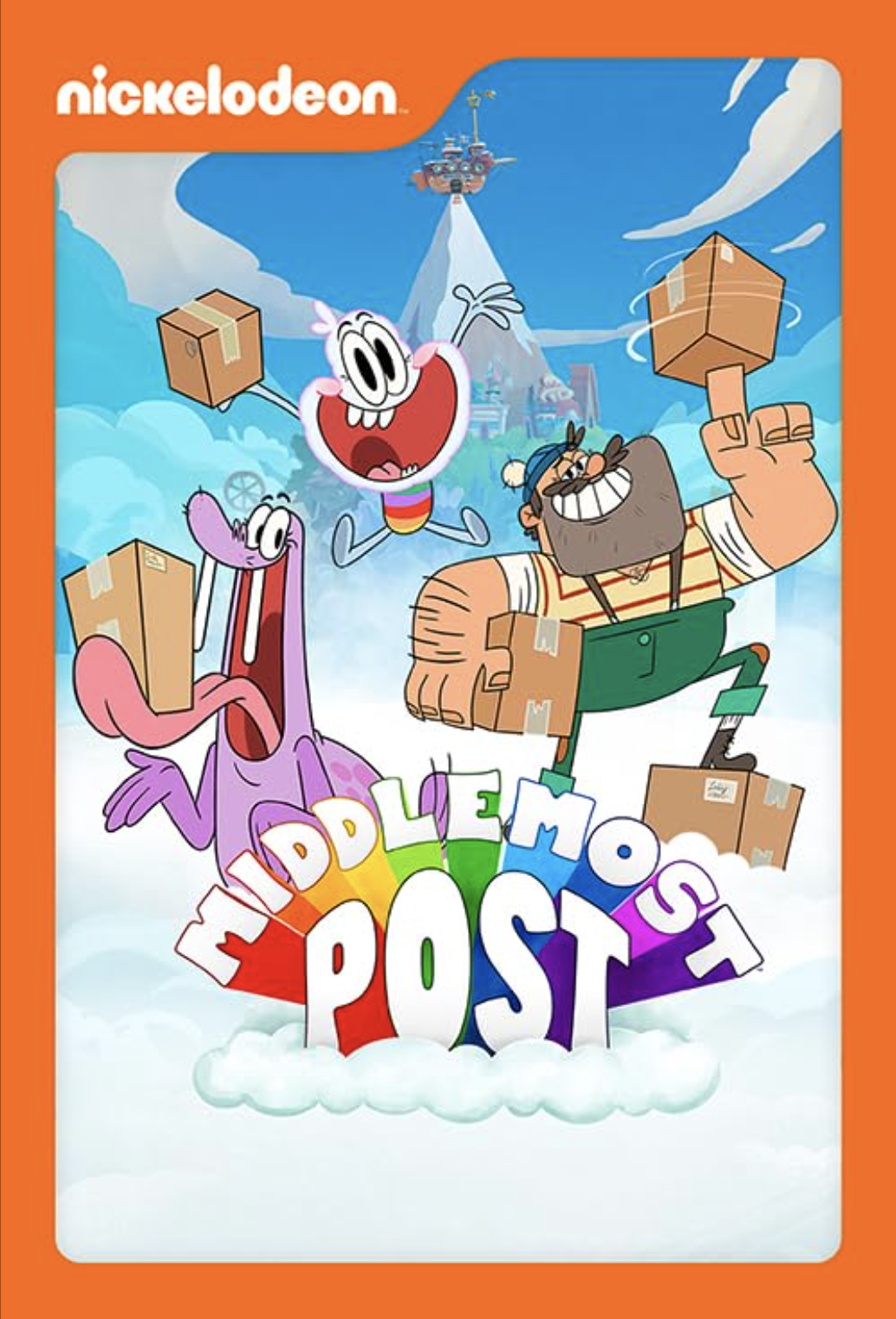
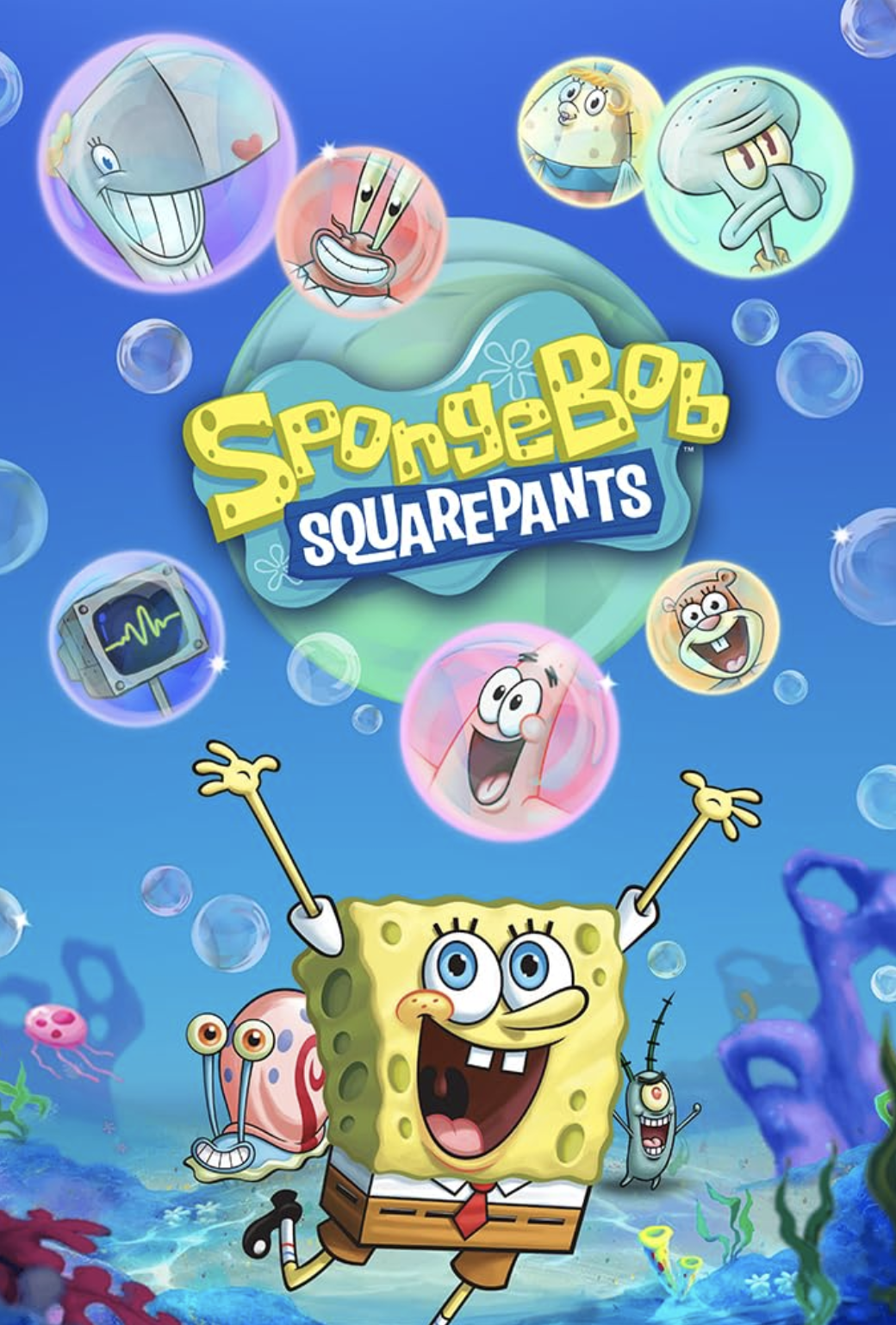
Gabe later transitioned into storyboarding, where he has worked on beloved series including SpongeBob SquarePants, Looney Tunes Cartoons, Middlemost Post, Mighty Magiswords, Helluva Boss, and The Patrick Star Show. His credits span animation, storyboarding, writing, and directing, and he is currently serving as a Director on The Patrick Star Show at Nickelodeon.
A firm believer that the strongest storyboard artists are grounded in solid animation fundamentals, Gabe brings a performance-driven, animation-first mindset to both his professional work and teaching. He emphasizes clarity, strong posing, comedic timing, and visual storytelling rooted in classical animation principles.
When he’s not boarding or directing, Gabe can be found playing Super Smash Bros. or Mario Kart, likely winning every round.
Gabe’s Credits



Prerequisites
This workshop is open to all skill levels. To participate as an Active Student and get the most out of the class, students should have the following:
Toon Boom Harmony is the preferred software, but students are welcome to use any animation program they’re comfortable with, provided it can export .mov files. Additional supported software includes Adobe Photoshop, Adobe Animate, and Procreate Dreams.
Computer with microphone (camera optional)
Access to Google Drive
Access to Discord

-
An introduction to the 12 Principles of Animation, with focused attention on squash and stretch, spacing, arcs, and working on 1s versus 2s. Students will explore how timing and spacing create the illusion of weight and motion through simple forms and observation.
Assignment:Complete a bouncing ball animation
Select an animated clip and complete a motion study
-
Critique and discussion of bouncing ball animations, followed by a lecture on anticipation, drag, follow-through, and overlapping action. The class will also cover straight-ahead versus pose-to-pose animation and when to use each approach.
Assignment:Create key poses for a simple jumping creature animation
Creature must include ears and/or a tail to demonstrate secondary action
-
Review and critique of jumping creature key poses. Introduction to solid drawing, staging, and exaggeration, with a focus on communicating clear ideas and emotion. Students will learn how to design and animate an effective “take.”
Assignment:Create key poses for a “take” animation
Animation must be full-body or waist-up using a humanoid character
-
Critique of “take” key poses followed by motion analysis drawn from students’ favorite animated clips. Emphasis will be placed on refining timing, spacing, and structure before polish.
Assignment:Fully in-between the “take” animation keys
-
Final review and critique of completed animated takes. Continued motion analysis using student-selected clips to reinforce observational skills and strengthen understanding of animation principles in professional work.

Who is this Workshop for?
The Classical 2D Animation Digital Workflow is a beginner friendly workshop and is designed for:
Artists with basic drawing experience who want to try animation for the first time
Illustrators, designers, or storyboard artists curious about bringing drawings to life through movement
Students looking to build a strong foundation in classical 2D animation principles using a digital workflow
Creatives interested in learning how timing, spacing, weight, and performance affect animated motion
Anyone seeking a structured, beginner-friendly introduction to animation with guided assignments and feedback

Outcomes
By the end of this workshop, students will be able to:
Students will gain a solid foundational understanding of the core principles of classical 2D animation and how those principles apply within a modern digital workflow.
Through lectures, demonstrations, analysis, and hands-on assignments, students will develop a deeper understanding of the animation process, including key animation terminology, planning techniques, and thinking like a performance-driven animator.
Students will complete several short animated exercises, such as a bouncing ball, a jumping creature, and an animated “take”, giving students practical experience and a small collection of finished animation pieces to build upon.
What You’ll Make: Active students will create multiple short 2D animation exercises that demonstrate fundamental animation principles, with guided instruction and personalized feedback focused on timing, spacing, clarity, and appeal.

In the Classical 2D Animation Digital Workflow workshop at The Art Club, Gabe focuses in this introductory course on the fundamental principles of classical 2D animation, taught through a modern digital workflow. Students will learn the core concepts that bring movement to life. Such as timing, spacing, weight, and appeal. Through lectures, demonstrations, and guided examples rooted in traditional animation theory. These principles are then applied directly to hands-on assignments using the digital animation software of each student’s choice.
Throughout the course, students will build a strong foundational understanding of animation by analyzing professional examples, completing structured exercises, and receiving feedback on their work. By the end of the course, students will have a solid grasp of essential 2D animation principles and the confidence to apply them within a professional digital pipeline or future animation projects.
