
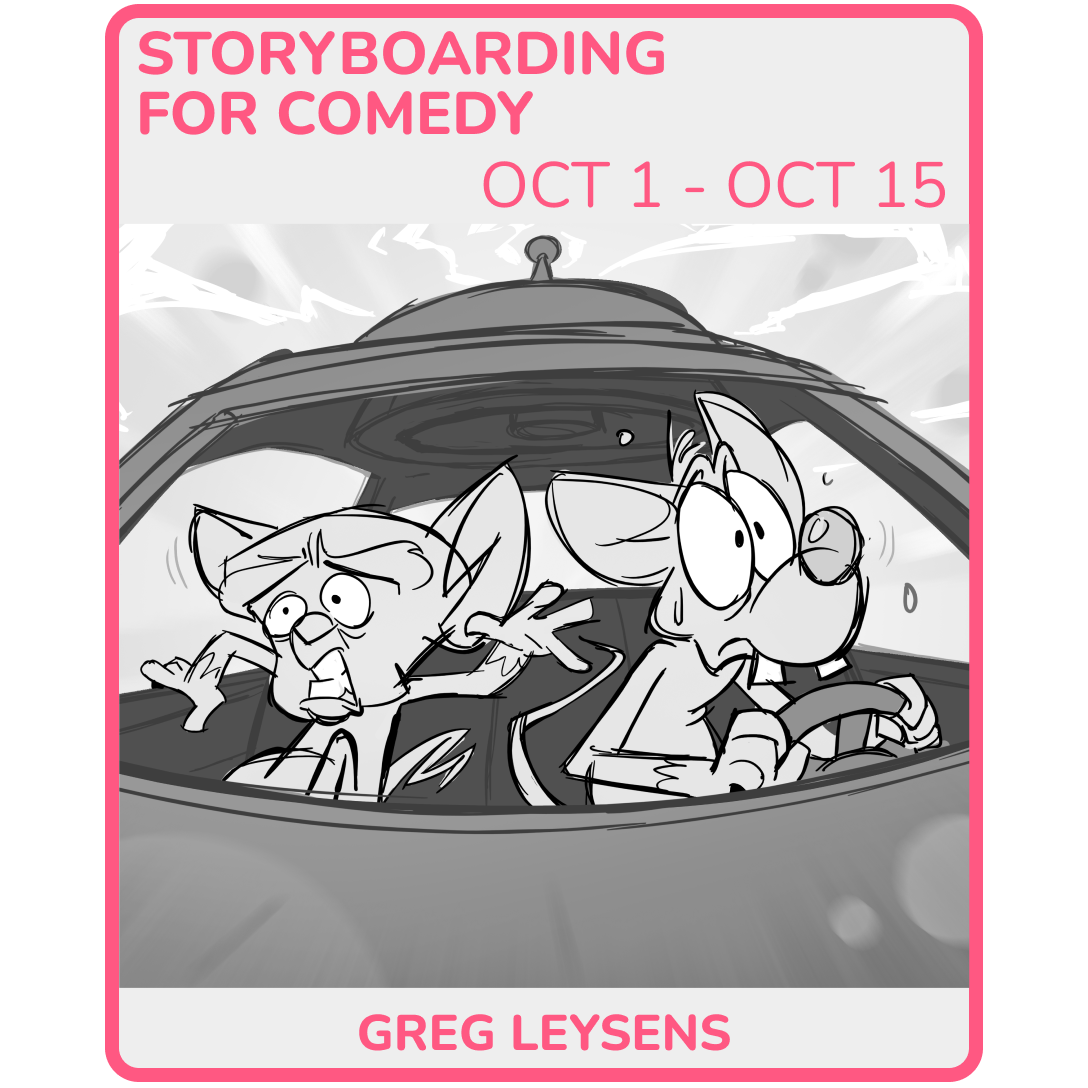
Storyboarding for Comedy at The Art Club is a 3-week workshop open to all skill levels. Students will explore composition, camera placement, perspective, character movement, timing, and acting to create stronger and funnier storyboards. Students will develop a comedic scene from roughs through cleanup, learning how to preserve the energy, personality, and humor of their original drawings along the way!
By the end of this workshop, students will be able to:
Understand the process behind storyboarding for comedy
Create clear, effective comedic setups and payoffs
Use composition, staging, and camera choices to enhance humor
Integrate character movement and acting to support comedic timing
Rough out sequences that communicate jokes and rhythm
Refine boards without losing comedic impact
What You’ll Make: Active students will leave with a set of setup-and-payoff thumbnails and a rough storyboard sequence ready to be refined to put in a portfolio.
Participants may join as Active students, receiving drawovers and feedback, or as Viewers, with access to the live sessions and text chat interaction with other viewers.
STORYBOARDING FOR COMEDY
Storyboarding for Comedy at The Art Club is a 3-week workshop open to all skill levels. Students will explore composition, camera placement, perspective, character movement, timing, and acting to create stronger and funnier storyboards. Students will develop a comedic scene from roughs through cleanup, learning how to preserve the energy, personality, and humor of their original drawings along the way!
By the end of this workshop, students will be able to:
Understand the process behind storyboarding for comedy
Create clear, effective comedic setups and payoffs
Use composition, staging, and camera choices to enhance humor
Integrate character movement and acting to support comedic timing
Rough out sequences that communicate jokes and rhythm
Refine boards without losing comedic impact
What You’ll Make: Active students will leave with a set of setup-and-payoff thumbnails and a rough storyboard sequence ready to be refined to put in a portfolio.
Participants may join as Active students, receiving drawovers and feedback, or as Viewers, with access to the live sessions and text chat interaction with other viewers.


Dates
Thursdays October 1 - October 15
Time
5:00 PM - 8:00 PM PST
Location
The Art Club - Google Meets

FORMAT
Class meets once a week on Google Meets.
Class will have access to a dedicate class section on The Art Club Discord.
Recorded Access: Class recordings are provided after the course, viewable for one year for Active & Viewer Pass students.
Active student’s must upload homework to Google Drive folder before the next class begins.
Active student spots are limited to 15 participants, and Viewer access is limited to 50 seats.

THE FACULTY
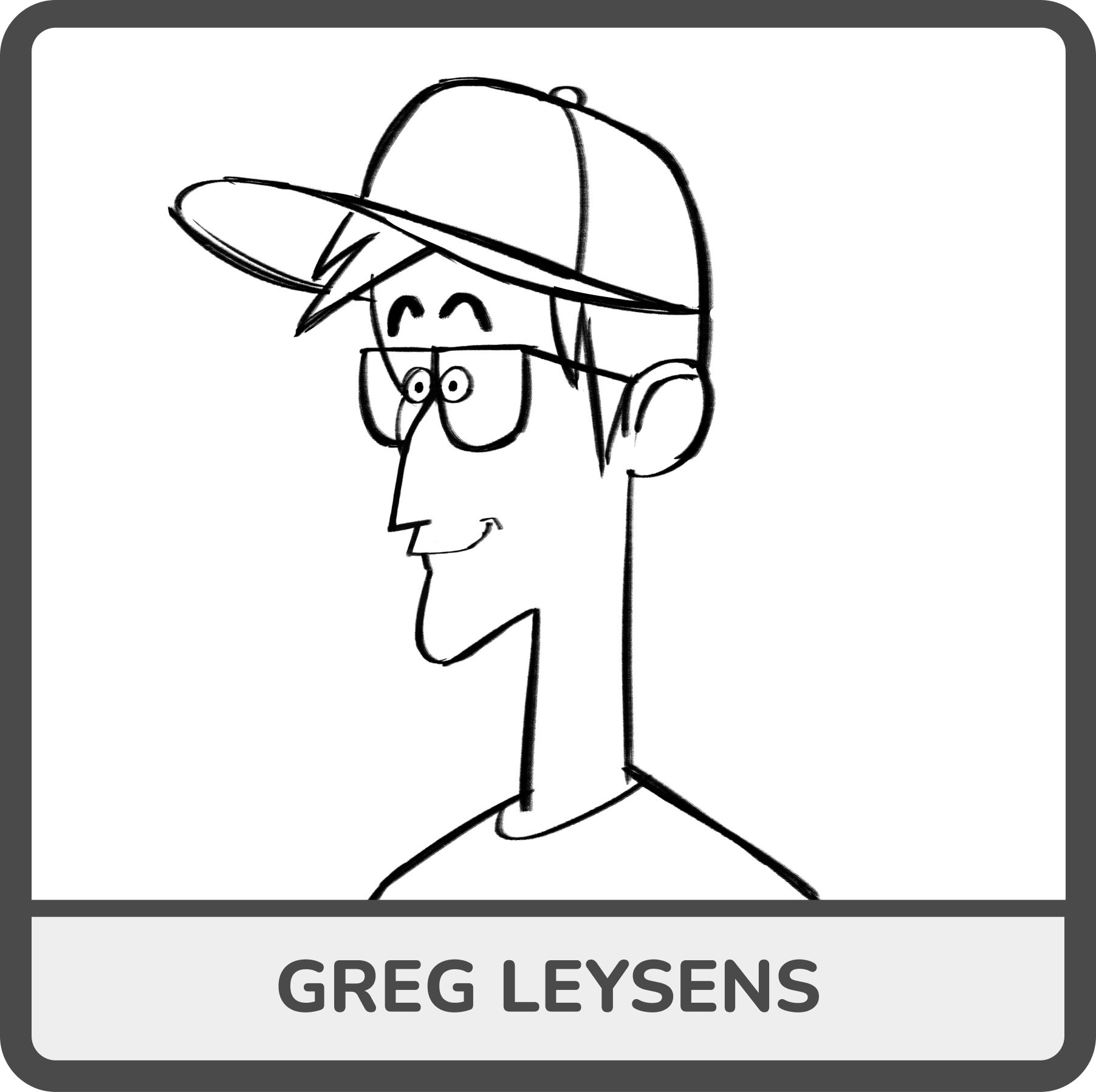
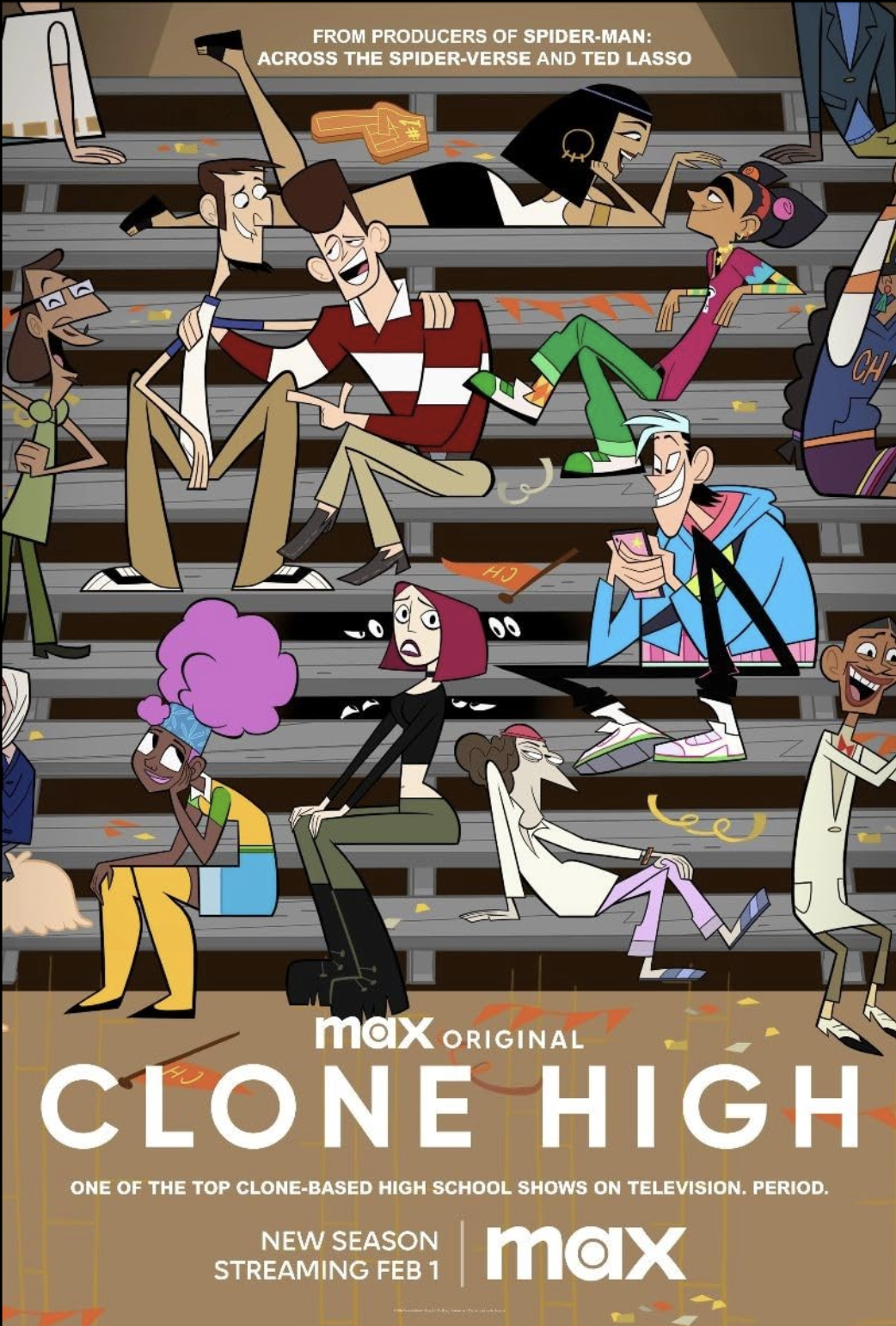
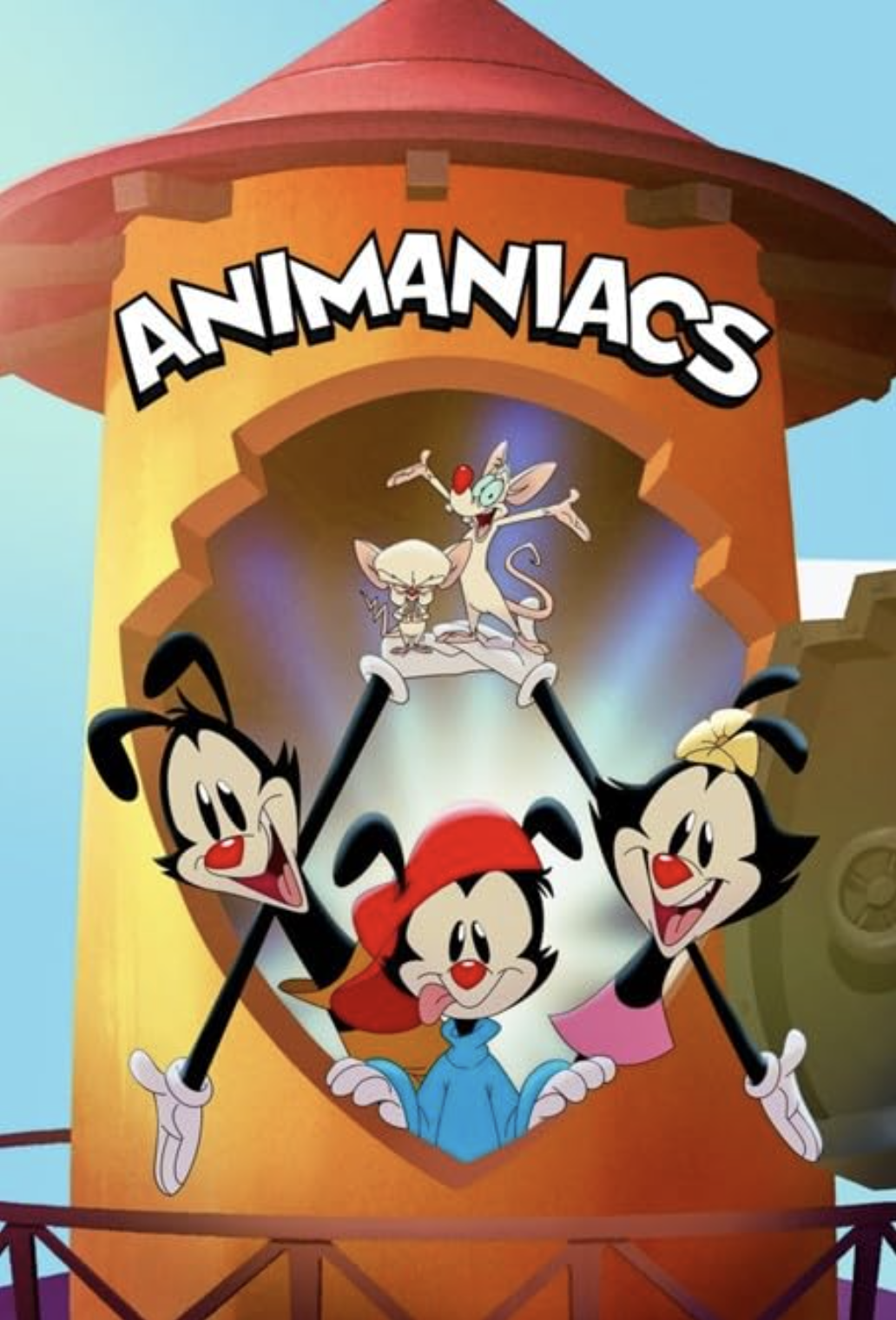
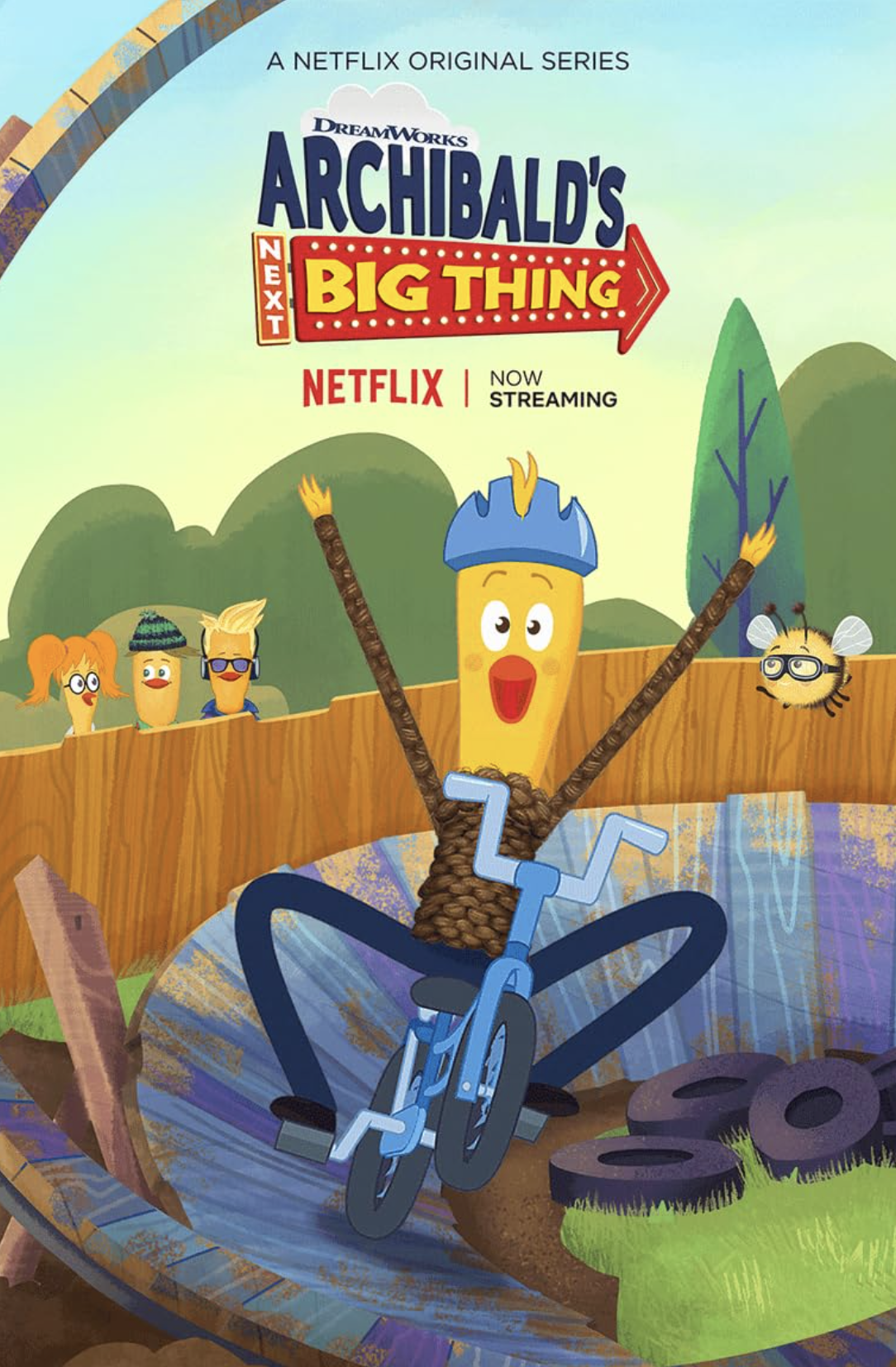
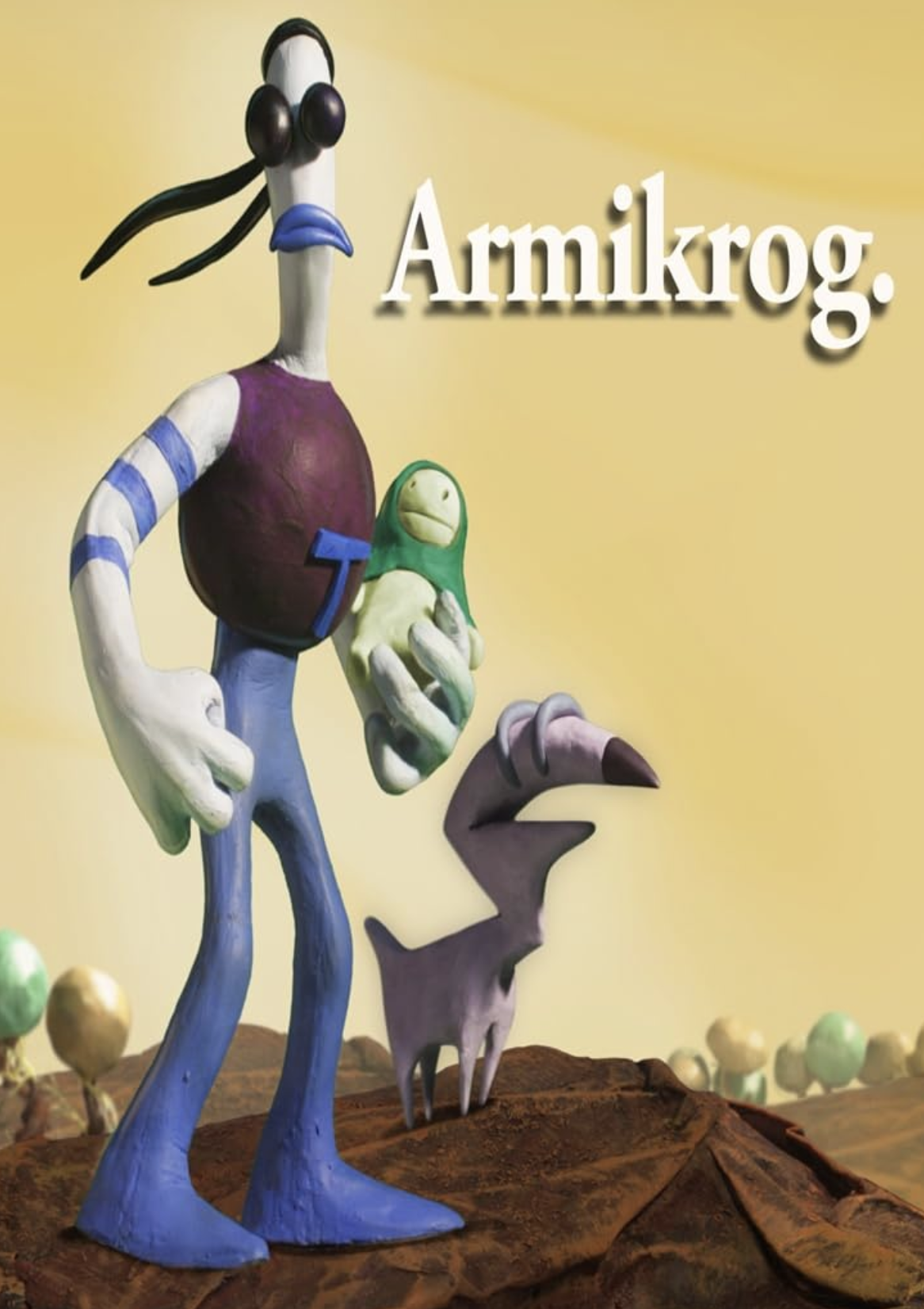
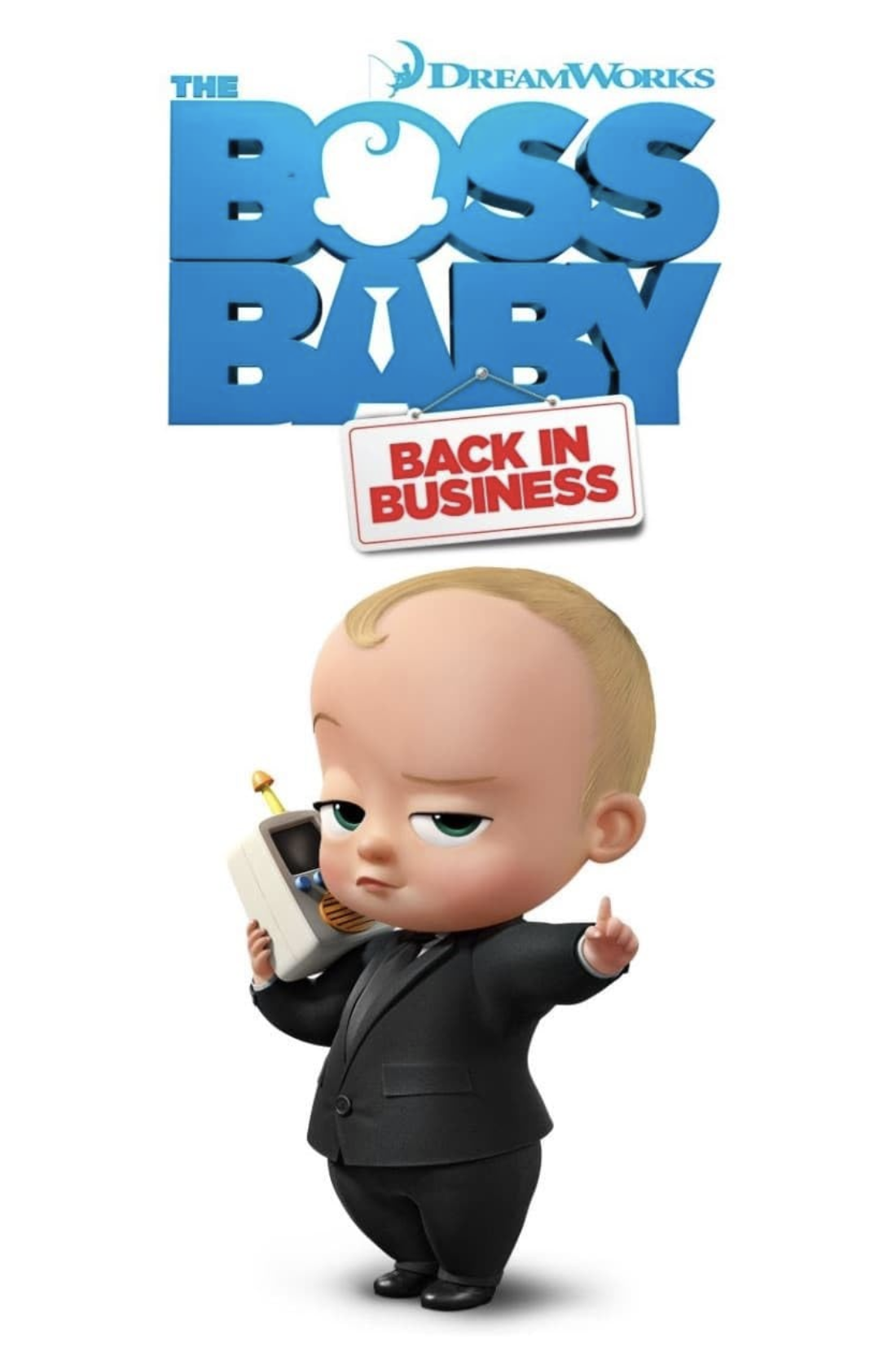
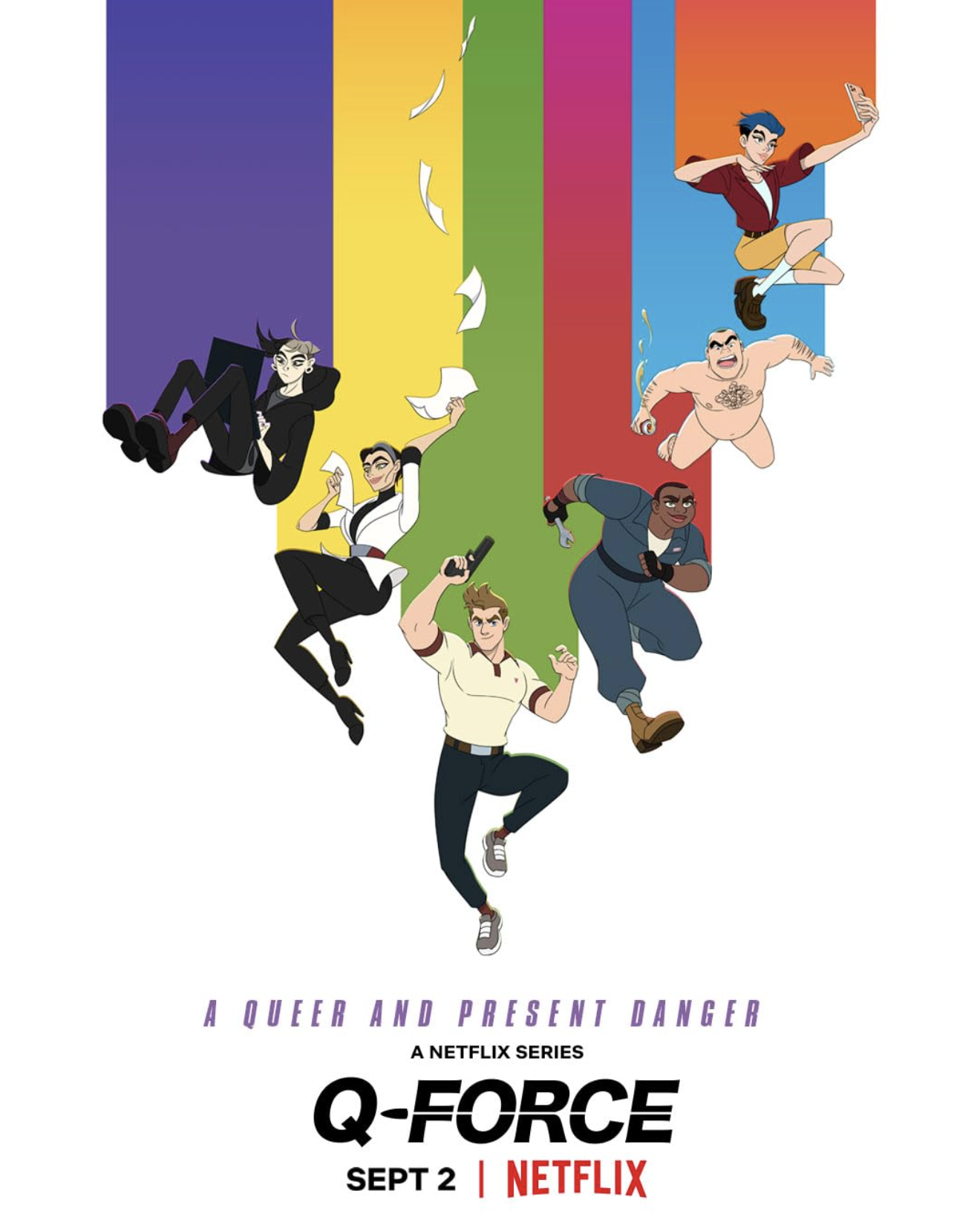
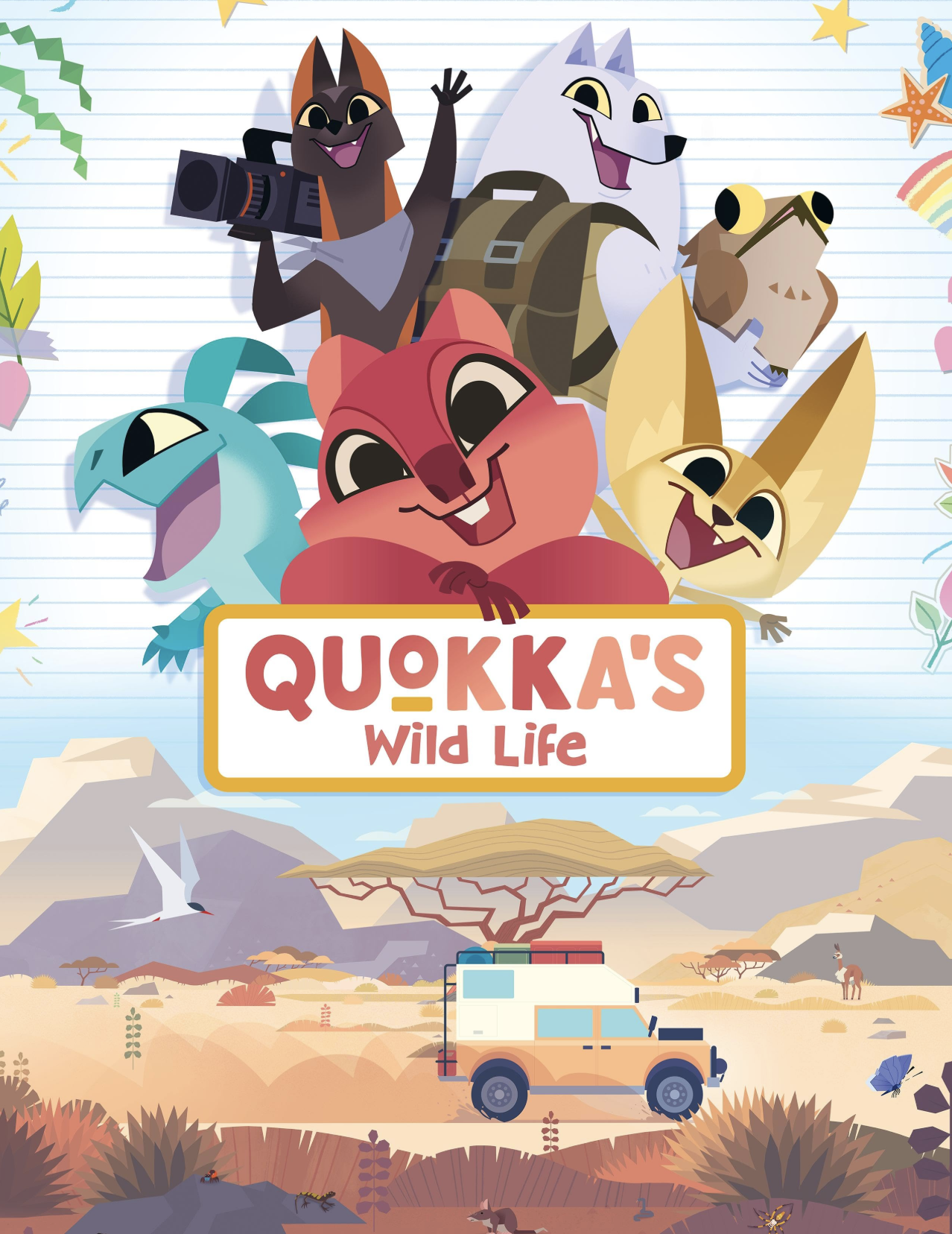
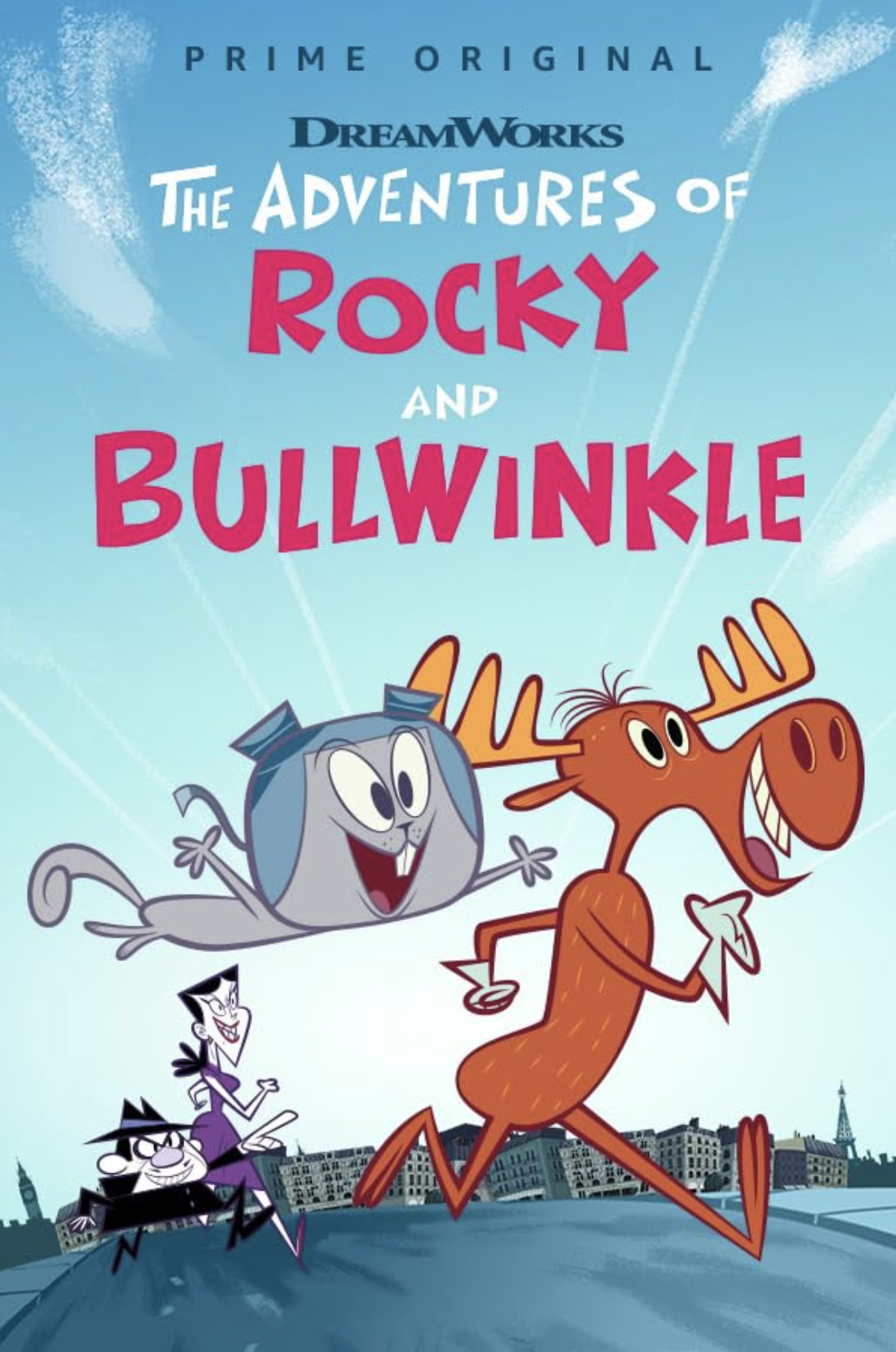
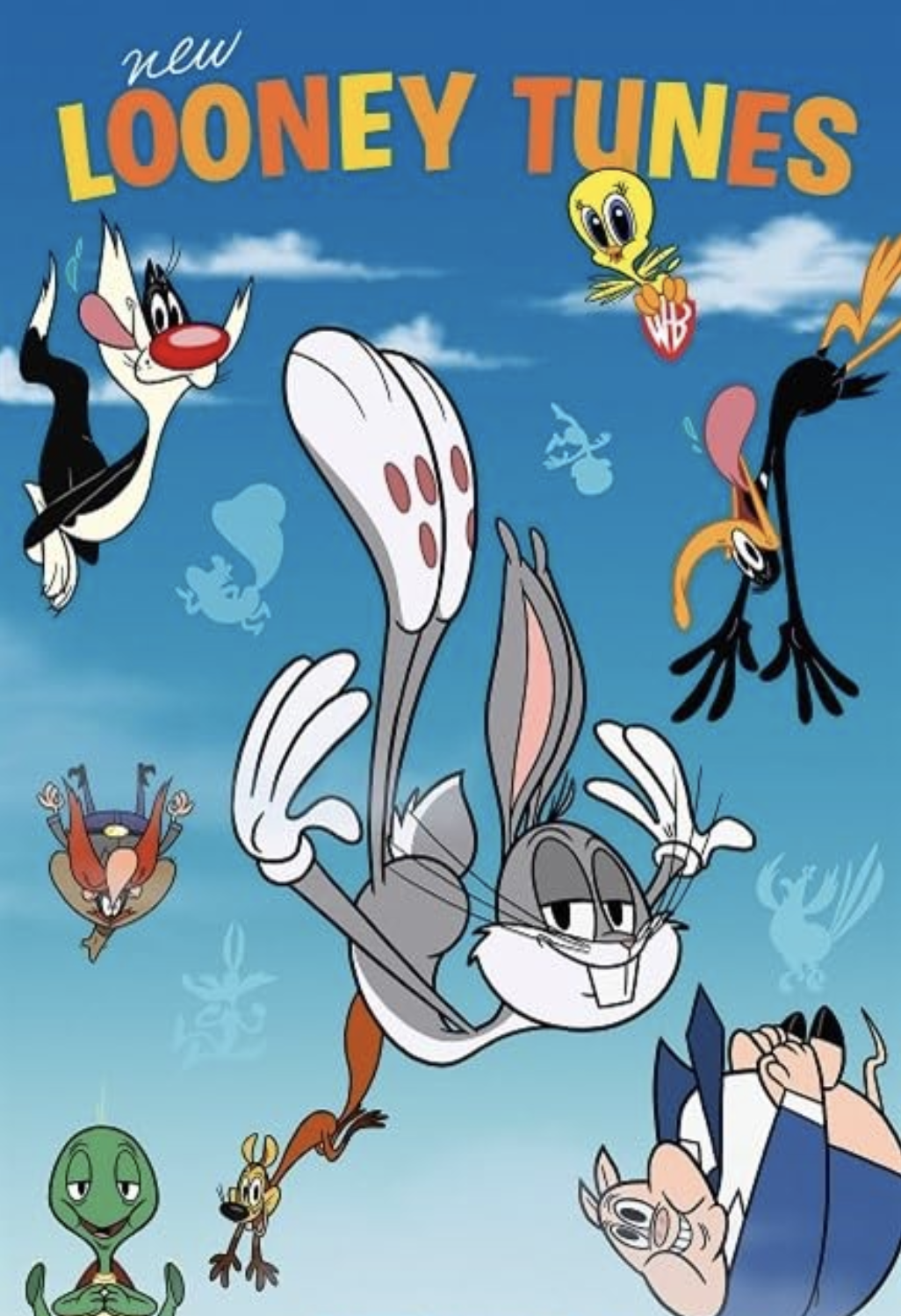
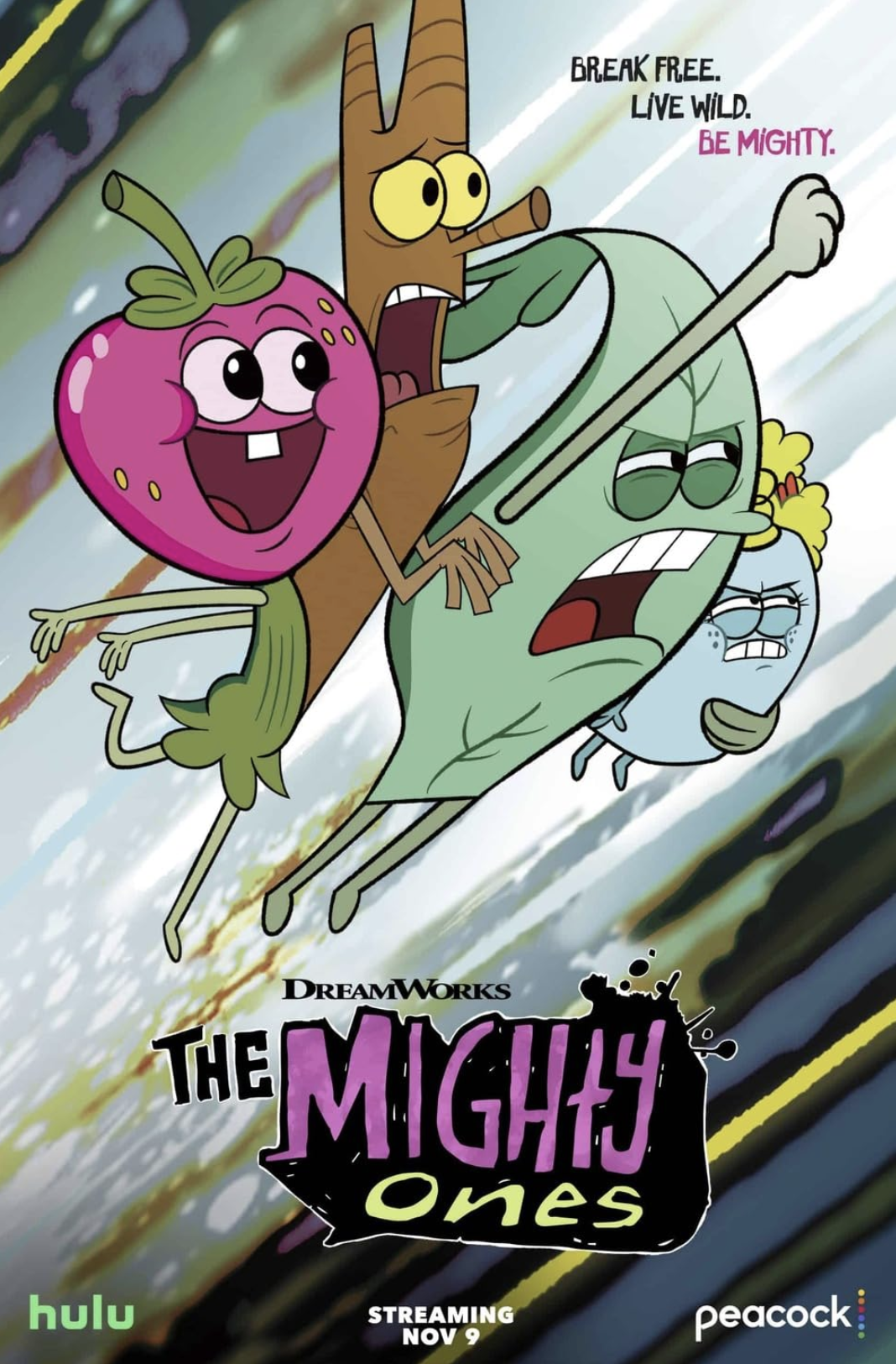
Greg Leysens is a storyboard artist, animator, and illustrator/designer with 10+ years of experience in the animation, video game, and commercial industries. His clients include Nickelodeon, Warner Brothers, Titmouse, Dreamworks, Epipheo, Warren James, Good Mythical Morning, ShadowMachine, & more.
Greg has taught on the collegiate level for 5 years at the Cleveland Institute of Art.
You can see more of his work at: https://gregoryleysens.squarespace.com/
Greg’s Credits


Prerequisites
This is an all-level class. In order to have a productive learning experience for all, prospective students need to fulfill the following requirements:
A solid grasp of drawing fundamentals and basic storyboard workflow.
Drawing/Painting software (Adobe Photoshop, ToonBoom Storyboard Pro, Procreate, etc.)
Computer with microphone (camera optional)
Access to Google Drive
Access to Discord

-
We’ll explore design principles, subjective vs. objective camera, and how setup, payoff, and point of view shape visual storytelling. The lesson includes a demonstration on thumbnailing and shifting perspective.
Assignment: Create ten setup-and-payoff thumbnails and choose one to bring into tomorrow’s lesson. -
We’ll compare visual and dialogue-driven comedy, explore acting through composition, and demonstrate how to compose movement. Critiques and draw-overs will help refine your work and apply these ideas across genres.
Assignment: Finish the scene with rough drawings.
-
We’ll focus on cleaning up storyboard drawings while preserving the energy, personality, comedic timing, and acting of the original roughs.

Who is this Workshop for?
Storyboarding for Comedy is designed for artists of all skill levels who want to strengthen their comedic storytelling through composition, timing, character acting, and visual clarity. The workshop is ideal for college students and aspiring artists looking to build their skills, professionals wanting to sharpen their comedic storytelling and acting, and hobbyists who want to explore storyboarding in a structured and creative environment.

Outcomes
By the end of this workshop, students will be able to:
Understand the decision-making process behind storyboarding for comedy
Learn how to build effective comedic setups and payoffs through visual clarity and timing
Improve the ability to use composition, staging, and camera choices to strengthen humor
Develop stronger character acting that supports comedic intent
Gain confidence in roughing out sequences that communicate jokes, tension, and rhythm
Learn how to refine boards without losing comedic impact
What You’ll Make: Active students will leave with a set of setup-and-payoff thumbnails and a rough storyboard sequence ready to be refined to put in a portfolio.

Storyboarding for Comedy at The Art Club is a 3-week workshop open to all skill levels. Students will explore composition, camera placement, perspective, character movement, timing, and acting to create stronger and funnier storyboards. Students will develop a comedic scene from roughs through cleanup, learning how to preserve the energy, personality, and humor of their original drawings along the way!
By the end of this workshop, students will be able to:
Understand the process behind storyboarding for comedy
Create clear, effective comedic setups and payoffs
Use composition, staging, and camera choices to enhance humor
Integrate character movement and acting to support comedic timing
Rough out sequences that communicate jokes and rhythm
Refine boards without losing comedic impact
What You’ll Make: Active students will leave with a set of setup-and-payoff thumbnails and a rough storyboard sequence ready to be refined to put in a portfolio.
Participants may join as Active students, receiving drawovers and feedback, or as Viewers, with access to the live sessions and text chat interaction with other viewers.
